CM Mohan Yadav Addresses Balram Krishi Mahotsav in Jabalpur
Synopsis
Madhya Pradesh CM Dr. Mohan Yadav virtually joined the Balram Krishi Mahotsav in Jabalpur under Krishak Kalyan Varsh-2026, spotlighting 5,000 natural farming enrollees, a 15,000-acre stubble-to-compost drive, 40,000-hectare irrigation projects, and fresh GI tags for the district's peas and water chestnuts.
Key Takeaways
5,000 farmers in Jabalpur district have been enrolled into natural farming through 40 geographic clusters under Krishak Kalyan Varsh-2026.
Over 15,000 acres are part of a stubble-baling programme converting crop residue into organic fertiliser, reducing burning and cutting input costs.
The Baradeo and Chhitakhudri irrigation projects are set to bring approximately 40,000 hectares of Jabalpur farmland under assured irrigation.
Jabalpur's peas ( matar ) and water chestnuts ( singhada ) have both received GI tags , enabling premium market positioning for local growers.
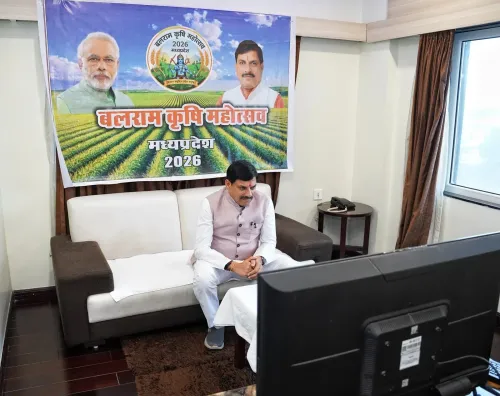
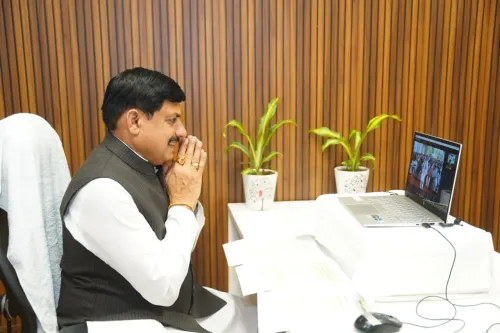
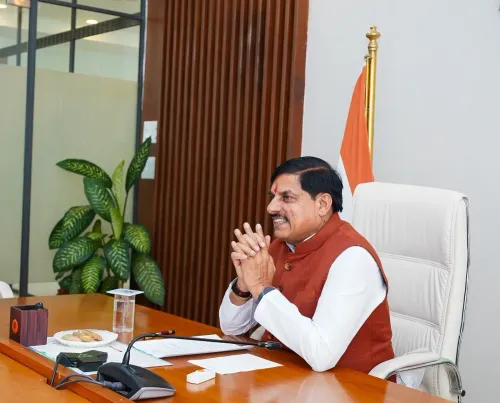
Mohan Yadav attended the Balram Krishi Mahotsav virtually, directly engaging with farmers as part of the state's district-level outreach model.
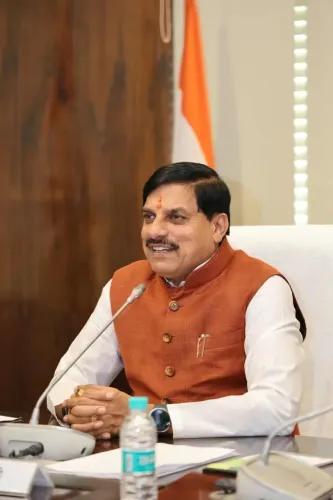
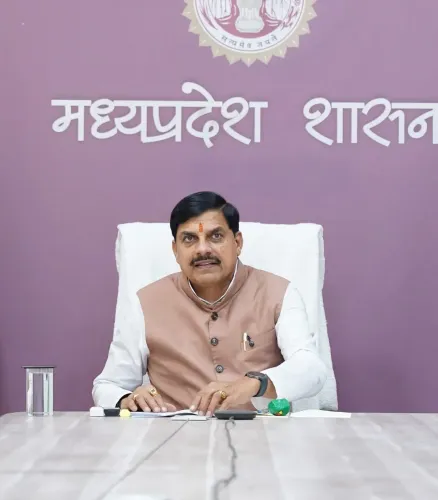
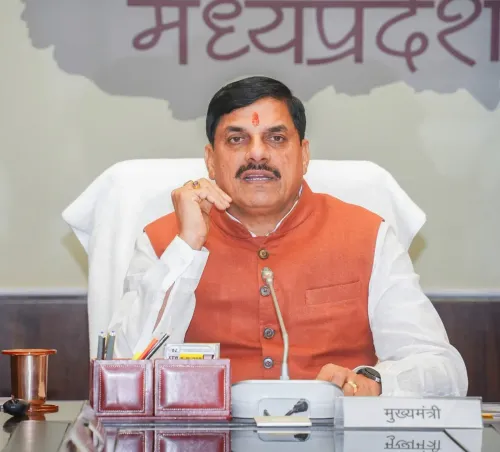
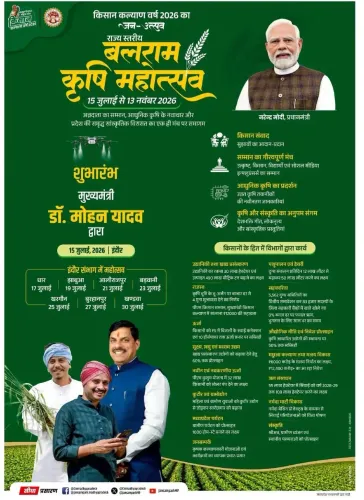
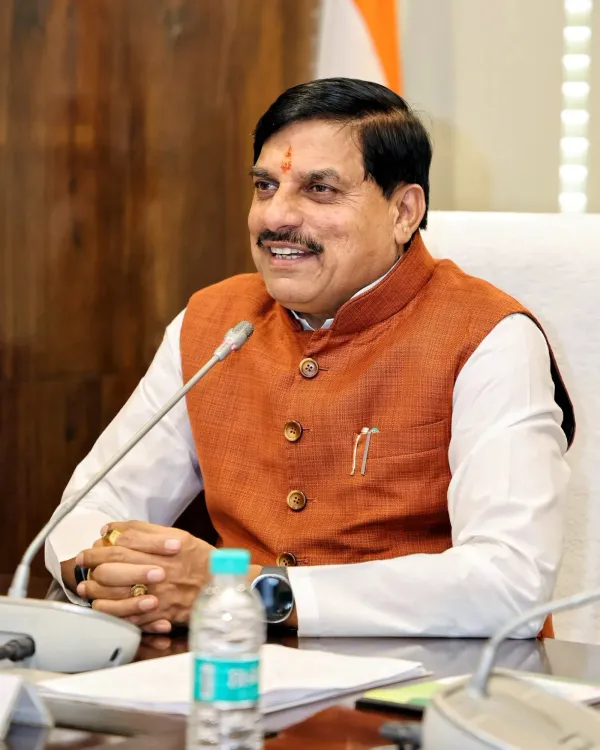
Five thousand farmers. Forty clusters. Fifteen thousand acres turning stubble into gold — or at least into organic compost. Madhya Pradesh Chief Minister Dr. Mohan Yadav virtually joined the Balram Krishi Mahotsav in Jabalpur on Tuesday, October 27, 2026, under the state's flagship Krishak Kalyan Varsh-2026 initiative, engaging directly with the farmers he calls annadata — providers of food.
Stubble to Soil: Jabalpur's Natural Farming Push
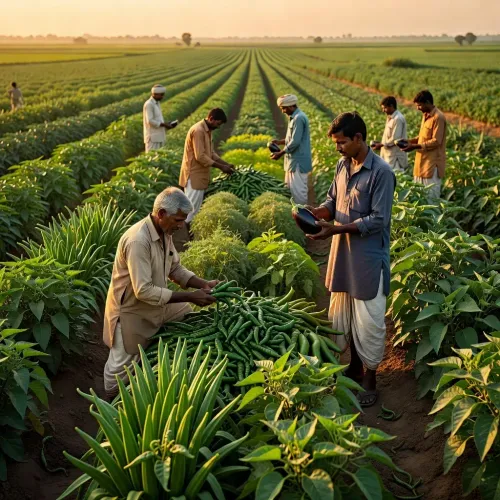
The headline numbers from the event tell a pointed story. 5,000 farmers across Jabalpur district have been enrolled into natural farming through 40 dedicated clusters, a model that groups growers geographically to share inputs, training, and accountability. Alongside this, over 15,000 acres are now part of a stubble-baling programme — converting crop residue into organic fertiliser instead of burning it in the fields.
That last detail matters beyond agriculture. Stubble burning is one of north and central India's most stubborn environmental flashpoints, blamed for severe air-quality degradation every post-harvest season. Jabalpur's baling model directly addresses both the ecological damage and the economic squeeze on farmers by replacing expensive chemical inputs with farm-generated compost. Dr. Yadav stated the goal plainly: cut the cost of cultivation while cutting the smoke.
Baradeo and Chhitakhudri: The Irrigation Backbone
Sustainable farming practices only travel as far as water will carry them. Two state irrigation projects — the Baradeo and Chhitakhudri schemes — are set to bring approximately 40,000 hectares of cultivable land in Jabalpur district under assured irrigation. For dryland farmers dependent on monsoon cycles, the shift to irrigated agriculture can be transformational: a second or third crop, reduced risk, and a stronger negotiating position at the mandi.
The CM framed the two projects as the structural foundation beneath the natural farming and organic fertiliser push — infrastructure that makes the softer interventions viable at scale.
GI Tags for Peas and Water Chestnuts — A Market Signal
Dr. Yadav did not let the event pass without celebrating something distinctly Jabalpur. The district's peas (matar) and water chestnuts (singhada) have both received Geographical Indication (GI) tags — a form of intellectual-property protection that certifies a product's origin and unique character. 'Any discussion about Jabalpur is incomplete without its delicious peas and singhada,' the Chief Minister said, calling the GI recognition a matter of pride.
GI tags do more than confer prestige. They unlock premium pricing in domestic and export markets, discourage counterfeiting, and give farmer collectives a legal tool to protect their produce's identity. For Jabalpur's growers of these two crops, the tags are a direct value-addition lever — one that pairs naturally with the shift toward organic, traceable production.
Krishak Kalyan Varsh-2026: The Wider Frame
The Balram Krishi Mahotsav sits within Krishak Kalyan Varsh-2026, Madhya Pradesh's year-long state programme dedicated to farmer welfare, sustainable practices, and income growth. The initiative draws on the policy lineage of the National Mission for Sustainable Agriculture — but operationalises it through district-level festivals, cluster enrolments, and infrastructure investments rather than top-down mandates.
Dr. Yadav closed with a call that doubled as a mission statement: let farmers combine traditional knowledge with modern technology and grow prosperous. 'We are continuously working with this very goal,' he said.
The cluster model, the stubble economy, the irrigation backbone, the GI tags — each piece is designed to interlock. Whether the architecture holds will show up in Jabalpur's farm incomes by the next harvest season.
Point of View
District-rooted model to operationalise sustainable agriculture — rather than waiting for a single top-down national policy to trickle down. By pairing irrigation infrastructure with organic farming incentives and GI branding, the state is attempting a rare triple: lower input costs, higher output value, and environmental compliance, simultaneously. The stubble-baling component is particularly politically salient — it preempts the kind of air-quality backlash that has become a seasonal political liability for several BJP-governed states. Whether these district-level targets translate into measurable income gains for Jabalpur farmers will be the real scorecard for Krishak Kalyan Varsh-2026.
NationPress
27 Oct 2026
Frequently Asked Questions
What is the Balram Krishi Mahotsav in Jabalpur?
The Balram Krishi Mahotsav is an agricultural festival held in Jabalpur district under Madhya Pradesh's Krishak Kalyan Varsh-2026 programme, bringing together farmers to promote natural farming, organic inputs, and modern agricultural techniques.
What is Krishak Kalyan Varsh-2026 in Madhya Pradesh?
Krishak Kalyan Varsh-2026 is a Madhya Pradesh government initiative dedicated to farmer welfare for the year 2026, focusing on sustainable farming practices, irrigation expansion, and income growth for agricultural communities.
Which Jabalpur products got a GI tag?
Jabalpur's peas ( matar ) and water chestnuts ( singhada ) have both received Geographical Indication tags, protecting their regional identity and enabling farmers to command premium prices in the market.
What are the Baradeo and Chhitakhudri irrigation projects?
The Baradeo and Chhitakhudri are state irrigation schemes in Jabalpur district designed to bring approximately 40,000 hectares of cultivable land under assured irrigation, reducing dependence on monsoon rainfall.
How is Madhya Pradesh tackling stubble burning in Jabalpur?
The state is running a stubble-baling programme across more than 15,000 acres in Jabalpur, converting paddy straw into organic fertiliser rather than burning it — cutting air pollution and reducing farmers' input costs simultaneously.