Sonowal chairs maritime meet in Puri on coastal shipping
Synopsis
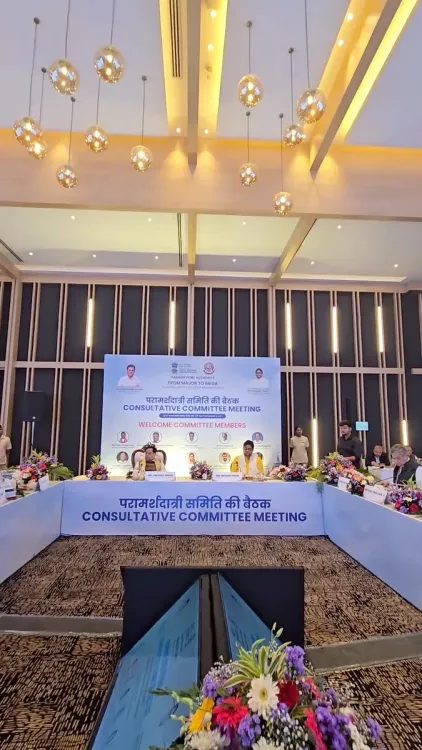
Union Minister Sarbananda Sonowal chaired a Consultative Committee Meeting in Puri, Odisha on November 3, calling it a 'collaborative roadmap' session on strengthening coastal and cruise shipping under India's broader Maritime India Vision 2030 and Sagarmala framework.
Key Takeaways
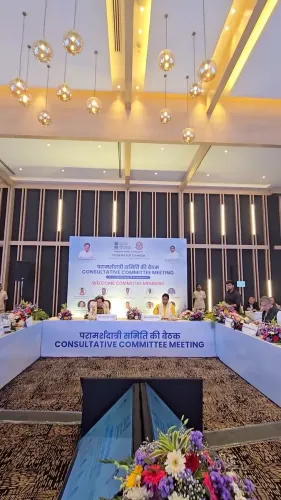
Union Minister Sarbananda Sonowal chaired the Consultative Committee Meeting in Puri, Odisha on November 3, 2026 on 'Strengthening Coastal and Cruise Shipping'.
The meeting aims to shape a 'collaborative roadmap' for India's maritime future, per Sonowal's post on X.
The Sagarmala Project , launched in 2015 , remains the flagship programme for port-led coastal shipping development.
Maritime India Vision 2030 (released 2021 ) sets targets for increasing coastal cargo share and expanding cruise tourism.
Key stakeholders include shipping companies, cruise operators, port authorities, and coastal state governments.
Follow-up policy announcements and budgetary allocations from the meeting's recommendations are the key outcomes to watch.
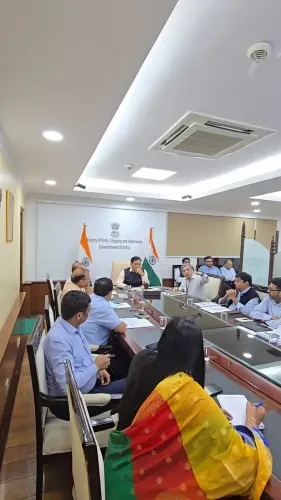
India's coastal and cruise shipping future came into focus on Tuesday, November 3, 2026, as Union Minister of Ports, Shipping and Waterways Sarbananda Sonowal chaired a Consultative Committee Meeting in Puri, Odisha, dedicated to 'Strengthening Coastal and Cruise Shipping' — a deliberate signal that the sea is central to India's next infrastructure push.
Sharing glimpses from the meeting, Sonowal described it as 'shaping a collaborative roadmap for India's maritime future.' The choice of Puri — a coastal city with deep cultural resonance and growing tourism footprint — as the venue was itself a statement about the intersection of maritime commerce and coastal livelihoods that policymakers are attempting to navigate.
Why coastal shipping is back at the top of the agenda
The argument for coastal shipping is simple and powerful: move more freight by sea, ease the chokehold on roads and railways, and cut transport costs and emissions in one stroke. India's Sagarmala Project, launched in 2015, first institutionalised this ambition, weaving together port modernisation, coastal berth development, and logistics connectivity into a single programme. A decade on, the gap between policy intent and actual coastal cargo share remains one the Ministry of Ports, Shipping and Waterways is under pressure to close.
Maritime India Vision 2030, released in 2021, sharpened those targets further — setting out specific benchmarks for coastal cargo volumes and cruise tourism expansion. The Puri meeting sits squarely inside that longer arc, translating vision documents into consultative groundwork with stakeholders ranging from shipping companies and port authorities to cruise operators and coastal state governments.
Cruise shipping: tourism meets blue economy
The deliberate pairing of 'coastal' and 'cruise' shipping in the meeting's theme is telling. Cruise tourism along India's vast coastline has long been an underleveraged asset — a missed opportunity for employment, hospitality revenue, and regional development in states that front the sea. Bringing cruise development into the same policy conversation as freight coastal shipping signals an integrated 'blue economy' approach rather than siloed sector planning.
Successive governments have treated the blue economy as a future prize, but converting that into berthing infrastructure, passenger terminals, and incentive frameworks demands exactly the kind of multi-stakeholder consultative process that the Puri meeting represents. The recommendations emerging from sessions like this one typically feed into budgetary allocations and scheme revisions in the cycles that follow.
What to watch after Puri
The real test will be in the follow-through. Whether the Puri consultations translate into concrete policy announcements — fresh allocations under Sagarmala, revised coastal shipping incentives, or new cruise terminal projects — will determine how much weight this 'collaborative roadmap' actually carries. Coastal cargo volume data under Maritime India Vision 2030 will be the scorecard.
India has the coastline, the trade volumes, and the policy frameworks. Puri just reminded the room that it also has the political attention — and the clock is ticking.
Point of View
Shipping and Waterways is leaning into an integrated blue economy agenda ahead of what could be a critical budget cycle. Pairing coastal freight policy with cruise tourism development under a single consultative umbrella reflects an attempt to break the historically siloed treatment of maritime sectors. For Sonowal, who has made port-led development a signature ministerial theme, the meeting reinforces a broader BJP infrastructure narrative at a time when logistics competitiveness is a live political metric. The real credibility test, however, will come in whether Puri produces measurable shifts in coastal cargo share or cruise terminal investment — not just a roadmap document.
NationPress
3 Nov 2026
Frequently Asked Questions
What was the Consultative Committee Meeting in Puri about?
The meeting, held on November 3, 2026 , focused on 'Strengthening Coastal and Cruise Shipping' and was chaired by Union Minister Sarbananda Sonowal in Puri, Odisha to shape a policy roadmap for India's maritime sector.
What is the Sagarmala Project?
The Sagarmala Project is India's flagship port-led development programme, launched in 2015 , aimed at promoting coastal shipping, modernising ports, and reducing logistics costs by shifting freight to sea routes.
What is Maritime India Vision 2030?
Maritime India Vision 2030 , released in 2021 , is a government blueprint outlining targets to increase coastal cargo share, expand cruise tourism, and develop India's overall maritime and blue economy potential.
Why is India focusing on coastal and cruise shipping?
Coastal shipping reduces pressure on roads and railways, cuts transport emissions and costs, and boosts employment along India's coastline. Cruise shipping is seen as a significant untapped driver of tourism revenue and regional economic development.
What are the expected outcomes of the Puri maritime meeting?
While specific recommendations from the November 2026 meeting are yet to be announced publicly, such consultative committee sessions typically feed into policy revisions, budgetary allocations, and scheme updates under programmes like Sagarmala.