Sonowal Meets Kerala CM on Coastal and Waterways Push
Synopsis
Union Minister Sarbananda Sonowal met Kerala's Chief Minister in New Delhi on 27 May 2026 to accelerate the state's coastal infrastructure, inland waterways, and shipbuilding capacity, citing PM Modi's maritime vision. Kerala hosts key assets including Kochi port and Cochin Shipyard central to national maritime goals.
Key Takeaways
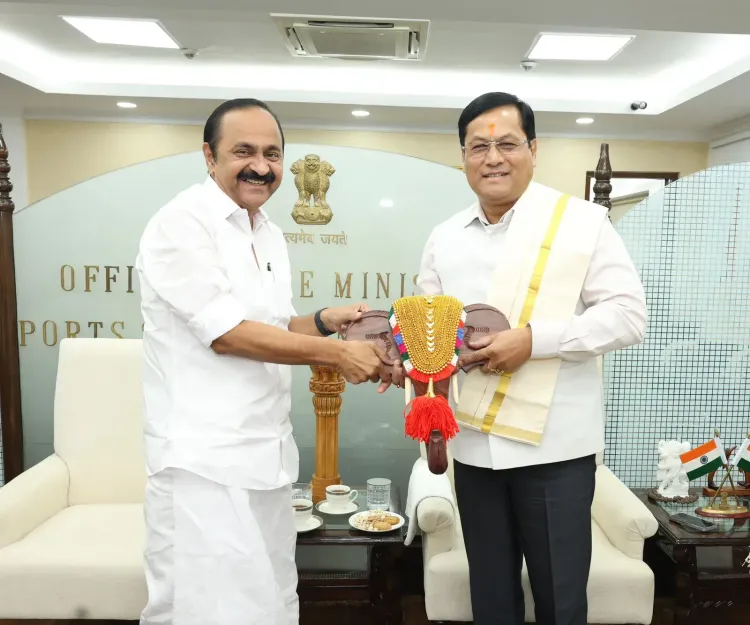
Sarbananda Sonowal held a meeting with Kerala's Chief Minister in New Delhi on 27 May 2026 .
The discussion covered coastal infrastructure, inland waterways, and shipbuilding capabilities in Kerala .
Sonowal linked the push to PM Narendra Modi's maritime development vision.
Kerala hosts Kochi port and Cochin Shipyard , two of India's most significant maritime assets.
The meeting falls under the policy framework of Sagarmala (2015) , the National Waterways Act (2016) , and Maritime India Vision 2030 .
Follow-up project approvals or funding announcements are expected through budget or coordination committee channels.
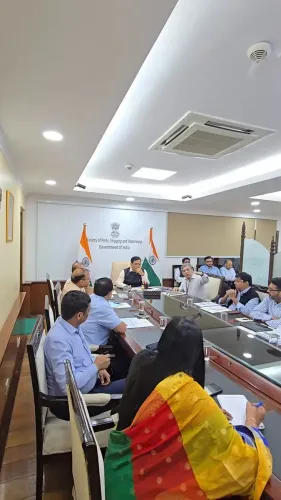
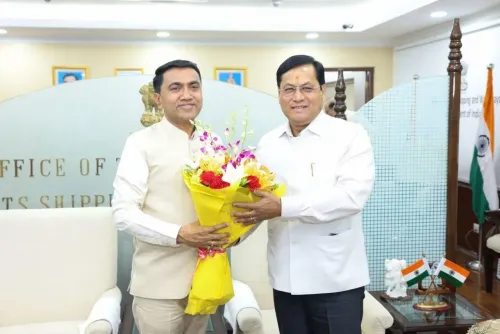
Union Minister of Ports, Shipping and Waterways Sarbananda Sonowal held a meeting with Kerala Chief Minister in New Delhi on Wednesday, 27 May 2026, focusing on accelerating the state's coastal infrastructure, inland waterways, and shipbuilding capabilities.
Context
Sonowal described the engagement as a 'productive discussion', stating that Kerala 'remains at the centre of India's maritime future' under the vision of Prime Minister Narendra Modi. The meeting signals continued central-state coordination on maritime development at a time when the Union government is pushing to expand water-based logistics and domestic shipbuilding capacity.
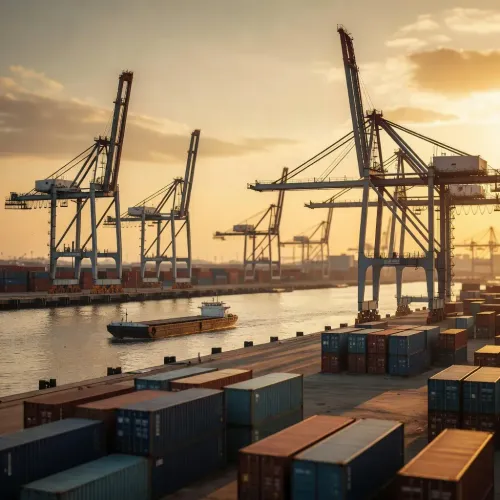
Kerala occupies a strategic position in India's maritime landscape, with a long coastline, major port facilities at Kochi, and the presence of Cochin Shipyard — one of the country's foremost public-sector shipbuilding companies. These assets make the state a focal point for national maritime policy implementation.
Policy Backdrop
The discussion sits within a well-established policy framework. The Sagarmala Project, launched in 2015, set out to drive port-led development and coastal infrastructure across Indian states. The National Waterways Act of 2016 declared and earmarked 111 inland waterways for development, including routes within Kerala.
The Maritime India Vision 2030, released in 2021, laid out specific targets for expanding shipbuilding capacity and increasing the share of coastal shipping in freight movement. The PM Gati Shakti National Master Plan, also announced in 2021, integrated waterways into a broader multimodal logistics network. These successive policy instruments form the scaffolding within which the Sonowal-Kerala CM meeting took place.
Stakeholders and Impact
The direct beneficiaries of any resulting project approvals or funding commitments would include Kerala's maritime industry, inland waterway operators, and the shipbuilding workforce centred around Cochin Shipyard. Improved coastal infrastructure also carries implications for cargo movement costs across the state and the wider southern region.
Broader freight logistics stakeholders stand to gain if enhanced waterway connectivity reduces dependence on road and rail for goods movement. The Union government has consistently cited lower logistics costs as a primary rationale for investing in water transport infrastructure, and Kerala is among the states best positioned to demonstrate that outcome.
What's Next
Concrete outcomes from the meeting — whether in the form of project approvals, funding allocations, or new memoranda of understanding — are expected to emerge through follow-up announcements at maritime coordination committee meetings or in the next Union Budget cycle. Cochin Shipyard's capacity expansion plans and the development of inland waterway routes in Kerala are the two areas most likely to see near-term movement.
With the central government treating coastal and waterways infrastructure as a logistics-cost lever, meetings of this kind between Union ministers and state governments are likely to intensify as project timelines under Maritime India Vision 2030 approach their mid-term review points.
Point of View
The minister reinforces a pattern of attributing infrastructure momentum to central leadership ahead of potential electoral cycles. Kerala's combination of coastline, port capacity, and shipyard infrastructure makes it an indispensable partner — and a visible showcase — for the Sagarmala and Maritime India Vision 2030 targets. The frequency and visibility of such central-state engagements suggest the ports ministry is building a record of cooperative federalism on infrastructure, even as broader Centre-state relations in Kerala carry political complexity.
NationPress
13 Oct 2026
Frequently Asked Questions
What did Sonowal and the Kerala CM discuss in New Delhi?
They discussed accelerating Kerala's coastal infrastructure, inland waterways development, and shipbuilding capabilities, with Sonowal citing PM Modi's maritime vision as the guiding framework.
What is the Sagarmala Project and how does it relate to Kerala?
The Sagarmala Project, launched in 2015, aims to drive port-led development and coastal infrastructure across Indian states. Kerala, with its coastline and Kochi port, is one of the key states targeted under the programme.
What is Cochin Shipyard and why is it important?
Cochin Shipyard is a public-sector shipbuilding company based in Kerala and one of India's largest shipyards. It is central to the country's plans to expand domestic shipbuilding capacity under Maritime India Vision 2030.
What is Maritime India Vision 2030?
Maritime India Vision 2030 is a policy document released in 2021 that sets targets for expanding India's shipbuilding capacity, increasing coastal shipping's share of freight, and modernising port infrastructure.
What are the inland waterways in Kerala being developed?
Under the National Waterways Act of 2016, which declared 111 inland waterways for development across India, several routes in Kerala were included. These are being developed to support freight and passenger movement as part of multimodal logistics plans.