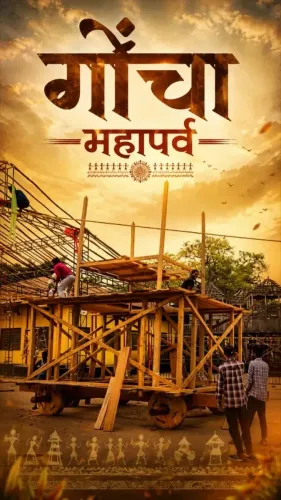
CM Office: Goncha Mahaparv chariot work in full swing in Bastar
Synopsis
The Chhattisgarh CMO on 14 July 2026 spotlighted the ongoing construction of the ceremonial chariot for Goncha Mahaparv, Bastar's major tribal festival, with skilled artisans working across seven districts to complete the rath in a display of coordinated cultural administration.
Key Takeaways
The Chief Minister's Office of Chhattisgarh posted on 14 July 2026 highlighting preparations for Goncha Mahaparv , Bastar's annual chariot festival.
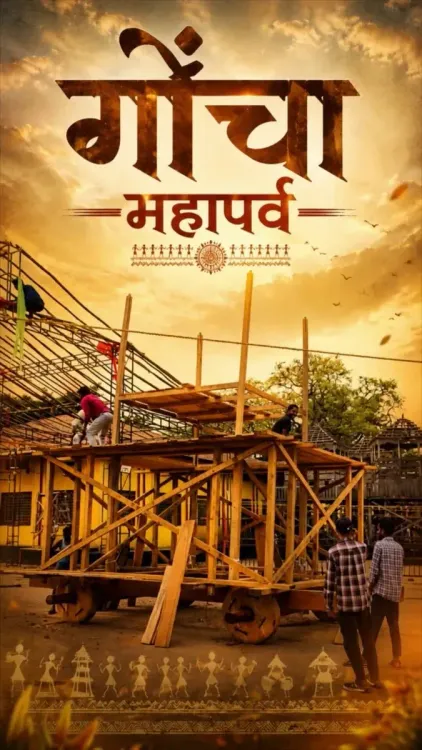
Skilled artisans are actively engaged in constructing the ceremonial rath (chariot), which will be the centrepiece of the festival.
All seven districts of the Bastar division — Bastar, Narayanpur, Sukma, Bijapur, Kanker, Dantewada, and Kondagaon — are tagged, reflecting coordinated state-level engagement.
The Chhattisgarh Culture Department is involved in the festival's administration and promotion.
Jagdalpur , headquarters of Bastar district, is the primary venue for major Goncha processions.
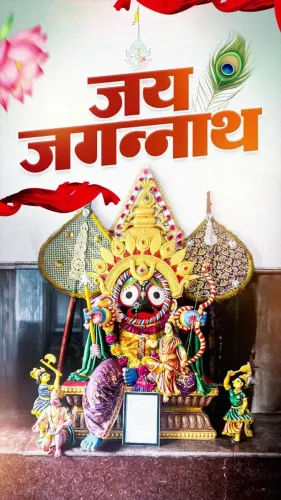
The festival celebrates tribal faith, folk traditions, and the cultural heritage of the Bastar region, with parallels drawn to the Puri Rath Yatra through shared Lord Jagannath devotion.
The Chief Minister's Office of Chhattisgarh on Tuesday, 14 July 2026 highlighted the accelerating preparations for Goncha Mahaparv, the annual chariot festival of the Bastar region, with skilled artisans working devotedly to complete the ceremonial rath (chariot) ahead of the celebration.
The post stated — 'गोंचा महापर्व की तैयारियां जोरों पर हैं' ('Preparations for Goncha Mahaparv are in full swing') — and described how the rath construction is progressing rapidly, with craftsmen putting in dedicated effort to give the chariot its final form. The CMO noted that the chariot 'will remain the centre of attraction during the Mahaparv and present a grand glimpse of Bastar's rich folk culture and traditions.'
Context
Goncha Mahaparv is a major tribal chariot festival rooted in the faith, tradition, and cultural heritage of the Bastar division in southern Chhattisgarh. Jagdalpur, the headquarters of Bastar district, serves as the primary venue for the festival's grand processions and cultural events. The festival holds deep spiritual significance for tribal communities across the region and draws participation from all seven districts of the Bastar division — Bastar, Narayanpur, Sukma, Bijapur, Kanker, Dantewada, and Kondagaon.
The CMO's post tagged the official handles of all seven districts along with the Chhattisgarh Culture Department, signalling coordinated administrative engagement across the entire division in the run-up to the festival.
Policy Backdrop
State governments across central and eastern India have increasingly supported the documentation and public display of tribal chariot festivals as a means of sustaining intangible cultural heritage. Goncha Mahaparv is often positioned alongside nationally recognised events such as the Puri Rath Yatra, with authorities drawing attention to the shared devotion to Lord Jagannath that underpins both festivals.
The Chhattisgarh Culture Department plays a central role in preserving and promoting the state's folk traditions. District-level coordination of the kind reflected in this post is consistent with the administrative pattern of pooling resources for large cultural programmes, which also serve as vehicles for tribal tourism promotion.
Stakeholders and Impact
Tribal artisans and craftspeople are at the heart of Goncha Mahaparv preparations. The construction of the ceremonial rath is itself a skilled craft tradition passed down through generations in the Bastar region, and state-level visibility for their work can support livelihoods tied to festival craftsmanship.
Broader Bastar communities — spanning dense forested districts with distinct tribal customs — regard the festival as an affirmation of cultural identity. Increased government attention to the event has the potential to draw visitors and boost local economies in a region that has historically faced development challenges.
What's Next
Official announcement of the Goncha Mahaparv festival dates and any state budget allocations for artisan support or tourism infrastructure are expected to follow as preparations intensify. The multi-district tagging in the CMO's post suggests that coordinated state and district-level programming around the festival is likely to be unveiled in the coming days.
For the Chhattisgarh government, sustained promotion of Bastar's tribal cultural calendar represents both a heritage conservation commitment and a long-term tourism strategy — one that could elevate the region's profile on India's cultural map.
Point of View
Not merely a local cultural event. This fits a broader pattern of BJP-governed states in central India amplifying tribal festival visibility to reinforce cultural identity politics while simultaneously building a regional tourism narrative. The explicit invocation of 'Jai Jagannath' also aligns the Bastar festival with a pan-Indian Vaishnavite devotional thread, potentially broadening its appeal beyond tribal communities. How the state translates this social media momentum into artisan support and infrastructure investment will be the real measure of policy intent.
NationPress
14 Jul 2026
Frequently Asked Questions
What is Goncha Mahaparv in Chhattisgarh?
Goncha Mahaparv is an annual chariot festival celebrated in the Bastar region of Chhattisgarh, rooted in tribal faith and folk traditions. It centres on the construction and procession of a ceremonial rath (chariot) and is held primarily in Jagdalpur, the headquarters of Bastar district.
Where is Goncha Mahaparv celebrated?
Goncha Mahaparv is celebrated across the Bastar division in southern Chhattisgarh, with Jagdalpur serving as the main venue for the festival's grand chariot processions and cultural programmes.
What is the significance of rath nirman in Goncha Mahaparv?
Rath nirman, or chariot construction, is a central ritual of Goncha Mahaparv. Skilled tribal artisans build the ceremonial chariot by hand, and it serves as the focal point of the festival, representing Bastar's rich folk culture and craftsmanship traditions.
Is Goncha Mahaparv related to Puri Rath Yatra?
Both Goncha Mahaparv and the Puri Rath Yatra share a devotion to Lord Jagannath, and state authorities have drawn parallels between the two festivals. However, Goncha Mahaparv is distinct in its tribal cultural character and is rooted in the specific traditions of the Bastar region.
Which districts in Chhattisgarh are involved in Goncha Mahaparv 2026 preparations?
All seven districts of the Bastar division — Bastar, Narayanpur, Sukma, Bijapur, Kanker, Dantewada, and Kondagaon — are involved in preparations for Goncha Mahaparv 2026, as reflected in the Chhattisgarh CMO's post tagging each district's official handle.