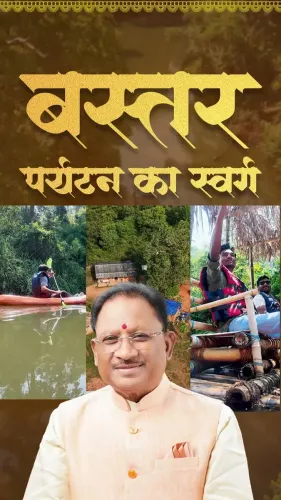
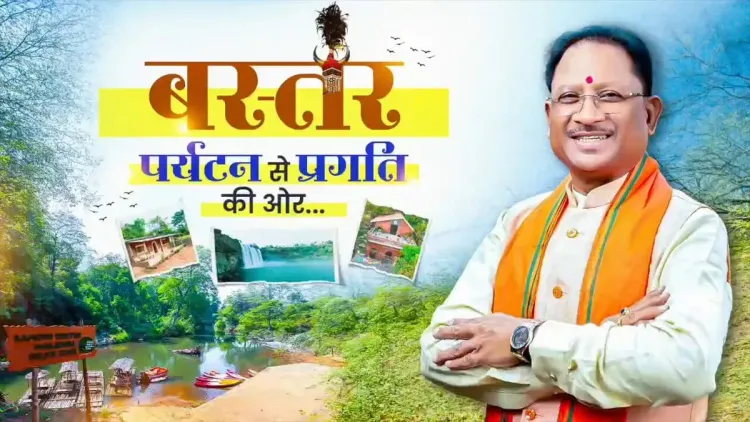
CM Chhattisgarh: Bastar Rises as Tourism, Self-Reliance Hub
Synopsis
The Chhattisgarh CMO on 26 May 2026 spotlighted Bastar as an emerging tourism and self-reliance hub, pointing to the state's industry status for tourism, homestay support, and tribal youth employment programmes as catalysts for the region's transformation.
Key Takeaways
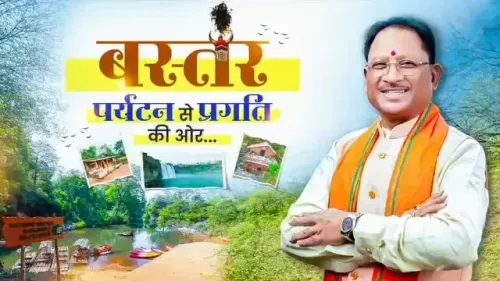
The Chief Minister's Office of Chhattisgarh on 26 May 2026 positioned Bastar as a new centre of development and self-reliance through tourism.
The state government has accorded industry status to tourism , unlocking incentives and credit access for hospitality enterprises in the region.
Homestay promotion is a core pillar of the strategy, enabling tribal families to earn directly from visitors while preserving cultural identity.
Pandum Cafe and Dhudmaras were cited as ground-level examples of the changing face of Bastar's tourism economy.
Tribal youth and local communities are the primary intended beneficiaries, with employment linkages forming a central plank of the policy.
The approach aligns with India's Swadesh Darshan scheme framework, which has promoted tribal and eco-tourism circuits across central India since 2014–15 .
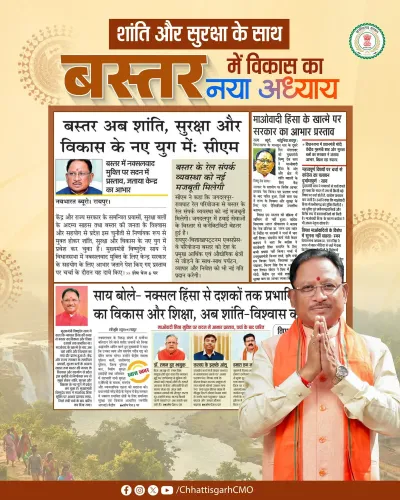
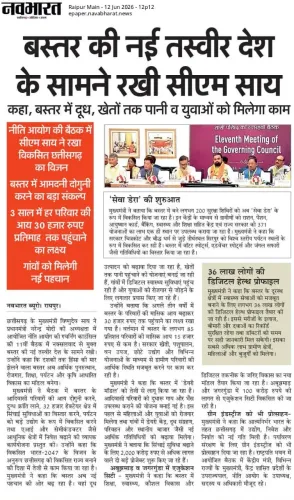
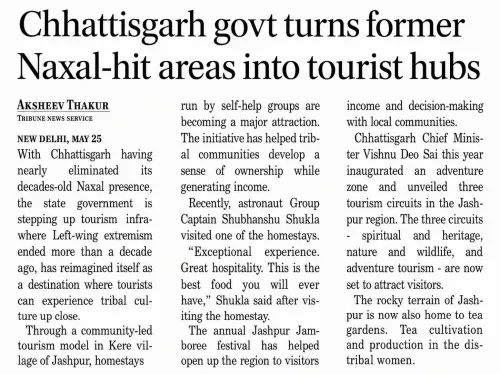
The Chief Minister's Office of Chhattisgarh on Tuesday, 26 May 2026 highlighted Bastar's emergence as a new identity of development and self-reliance, crediting state tourism policies, homestay promotion, and youth employment initiatives for opening fresh opportunities in the southern division.
The post stated: 'Bastar aaj apni prakritik sundarta, janjatiya sanskriti aur paryatan ki nayi sambhavnaon ke saath vikas aur aatmanirbharta ki nayi pehchan bankar ubhar raha hai' — 'Bastar today is emerging as a new identity of development and self-reliance, with its natural beauty, tribal culture, and new possibilities in tourism.'
Context
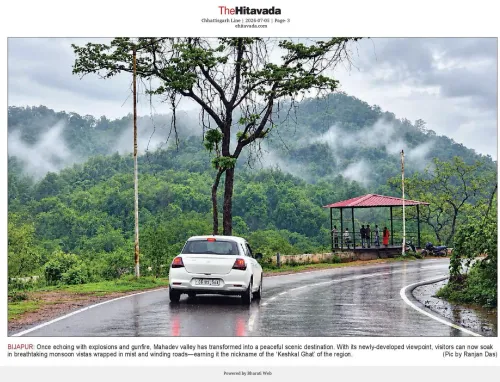
Bastar is a southern district and administrative division of Chhattisgarh, historically known for its dense forests, waterfalls, and indigenous communities including the Gond tribe. For decades, the region was also associated with left-wing extremism, which constrained economic activity and infrastructure investment. The CMO's post frames the region's current trajectory as a decisive shift from that legacy toward tourism-led growth. The post specifically cited Pandum Cafe and Dhudmaras as examples presenting a 'new picture of a changing Bastar to the world.' These are cited as illustrations of grassroots enterprise and cultural tourism taking root in the region, though independent data on their scale and visitor footfall is yet to be formally published by the state tourism department.Policy Backdrop
The Chhattisgarh government — referred to in the post as 'Sushasan Sarkar' ('Good Governance Government') — has accorded industry status to tourism, a step that unlocks access to state incentives, credit facilities, and regulatory ease for hospitality and travel enterprises. Alongside this, the government has pushed homestay promotion as a low-capital, community-rooted model that allows tribal families to earn directly from visitors while retaining cultural authenticity. This policy architecture mirrors the framework established under India's Swadesh Darshan scheme, launched in 2014–15, which developed thematic tourist circuits including tribal and eco-tourism circuits across central India. Several central Indian states have since built state-level programmes on top of that foundation, linking cultural assets to livelihood creation for local communities.Stakeholders and Impact
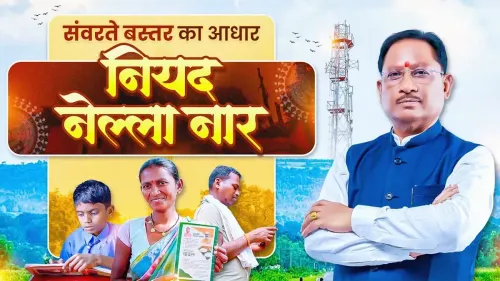
The primary beneficiaries identified in the post and the broader policy context are tribal youth and local communities in Bastar. By channelling tourism revenue into homestay earnings and service-sector jobs, the government aims to reduce out-migration and build economic agency within the region's indigenous population. The emphasis on 'sanskriti, rozgar aur aatmsamman' — 'culture, employment, and self-respect' — signals a deliberate framing: tourism here is positioned not merely as a revenue stream but as a vehicle for social dignity. This framing is significant in a region where the state's relationship with tribal communities has historically been complex.What's Next
The government's stated direction points toward scaling the homestay network, expanding youth employment linkages, and deepening Bastar's profile as a cultural tourism destination. Concrete indicators to watch include homestay registration numbers, visitor arrival data, and youth employment figures from the Chhattisgarh Tourism Board — metrics expected to surface in subsequent state budget documents or departmental releases. If the tourism-as-industry model gains traction in Bastar, it could serve as a replicable template for other forested, tribal-majority districts across central India seeking to convert ecological and cultural assets into sustainable livelihoods.Point of View
Culture-rooted economic development. Granting industry status to tourism is a substantive policy lever, not merely symbolic, as it opens formal financing channels for small operators who would otherwise remain outside the credit system. The invocation of 'Sushasan Sarkar' ties the Bastar narrative directly to the ruling dispensation's governance brand ahead of what will be a closely watched period for development delivery in the state. Whether the model delivers at scale will depend on whether homestay registrations and visitor numbers translate into measurable income gains for tribal households — data the government will be expected to produce.
NationPress
10 Oct 2026
Frequently Asked Questions
Why is Bastar being promoted as a tourism destination?
Bastar is being promoted for its dense forests, waterfalls, and rich tribal culture, with the Chhattisgarh government positioning tourism as a vehicle for economic development and self-reliance in the historically underserved region.
What does industry status for tourism mean in Chhattisgarh?
Granting industry status to tourism means tourism enterprises in Chhattisgarh can access state incentives, subsidised credit, and regulatory benefits typically reserved for manufacturing and other formal industries, lowering barriers for small operators.
What is a homestay and how does it help tribal communities in Bastar?
A homestay is a low-capital accommodation model where local families host tourists in their homes. In Bastar, homestay promotion allows tribal families to earn directly from visitors while maintaining their cultural way of life, reducing dependence on external operators.
What is Pandum Cafe in Bastar?
Pandum Cafe is cited by the Chhattisgarh CMO as an example of community-based enterprise in Bastar that reflects the region's changing tourism landscape, though detailed public data on its operations has not yet been formally released by the state.
How does Chhattisgarh's Bastar tourism policy connect to central government schemes?
The state's approach builds on the framework of India's Swadesh Darshan scheme launched in 2014–15, which created tribal and eco-tourism circuits in central India, providing a policy foundation that states like Chhattisgarh have extended through local programmes.