CM Office Spotlights Mahadev Valley as Chhattisgarh Eco-Tourism Gem
Synopsis
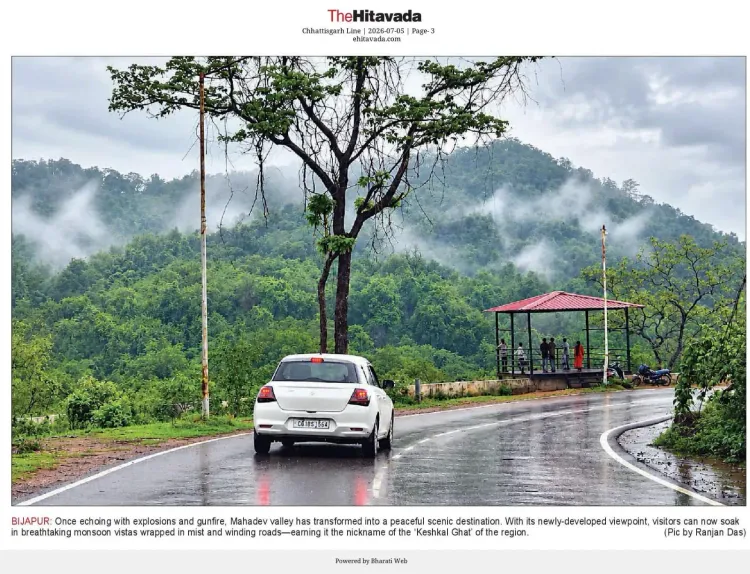
The Chief Minister's Office of Chhattisgarh has spotlighted Mahadev Valley in Bijapur as a rising monsoon eco-tourism destination, framing the formerly conflict-affected area as a symbol of peace and progress under the Incredible India banner.
Key Takeaways
The Chhattisgarh CMO officially promoted Mahadev Valley, Bijapur as an emerging monsoon destination on 5 July 2026 .
Bijapur district was long considered a core zone of left-wing extremist activity in the Bastar region.
The post explicitly frames the valley's transformation from conflict to tourism, using the phrase 'once known for conflict.' The campaign is aligned with the national Incredible India tourism promotion initiative run by India's Ministry of Tourism .
Tribal communities in Bijapur are the primary potential economic beneficiaries of increased tourist footfall.
Infrastructure readiness — roads, homestays, safety facilities — will determine whether the promotional push converts to sustained visitor numbers.
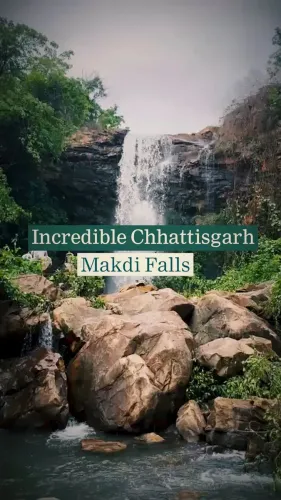
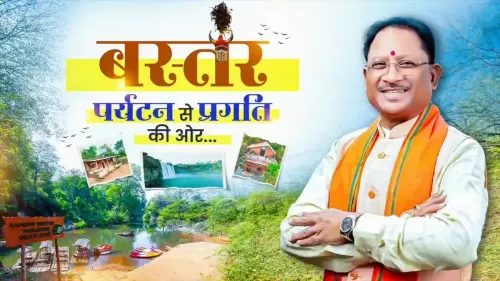
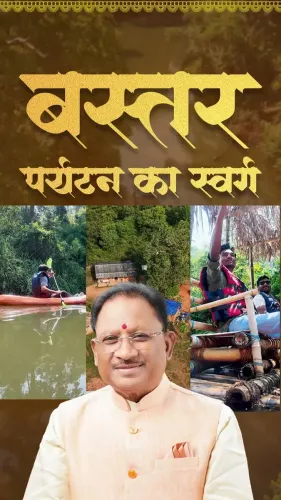
The Chief Minister's Office of Chhattisgarh on Sunday, 5 July 2026 highlighted Mahadev Valley in Bijapur district as an emerging monsoon tourism destination, describing the area as a 'valley of peace, progress, and possibilities' that has transformed from a conflict-affected zone into one of the state's most scenic natural retreats.
Context
Mahadev Valley is situated in Bijapur, a district in southern Chhattisgarh that forms part of the broader Bastar region. For decades, the area was among the most severely affected by left-wing extremist activity, which sharply curtailed civilian movement, tourism, and infrastructure development. The CMO's post — tagged with #MahadevValley, #Bijapur, #MonsoonInChhattisgarh, #EcoTourism, and #IncredibleIndia — signals an official push to reposition the valley in the public imagination.
The phrase 'once known for conflict' in the post is a deliberate acknowledgement of the district's past, framing the tourism pitch explicitly within a narrative of security normalisation and state-led development.
Policy Backdrop
Security operations across the Bastar division through the 2010s progressively opened previously inaccessible pockets of southern Chhattisgarh to civilian access. State governments have since combined counter-insurgency gains with economic outreach — roads, connectivity schemes, and livelihood programmes — to consolidate peace dividends in tribal areas.
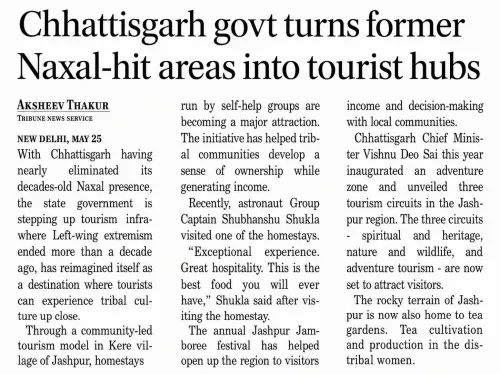
Eco-tourism has emerged as a preferred instrument in this playbook. Scenic forest landscapes, rivers, and valleys in former conflict zones offer an asset base that can generate local employment for tribal communities while projecting a narrative of normalcy. The Incredible India campaign, run by India's Ministry of Tourism, provides a national branding platform for exactly such lesser-known destinations, amplifying state-level promotion to domestic and international audiences.
Stakeholders and Impact
Tribal communities in and around Bijapur stand to benefit most directly if tourist footfall translates into demand for homestays, guided forest trails, local produce, and handicrafts. Eco-tourism models that channel revenue to host communities have been piloted in other forested Indian states, and Chhattisgarh's positioning of Mahadev Valley as a monsoon destination suggests a similar intent.
For domestic tourists — particularly from urban centres in Chhattisgarh, Maharashtra, and Telangana — the valley represents an off-the-beaten-path alternative during the July–September monsoon window, when lush forest landscapes peak. The official endorsement from the CMO lends the destination credibility and is likely to drive initial curiosity-driven visits.
What's Next
The immediate question is whether the social-media spotlight will be followed by concrete infrastructure announcements: all-weather road access, eco-lodges or homestay certification, interpretation centres, and safety facilities for visitors. Without such investments, promotional campaigns risk outpacing the destination's actual readiness to receive tourists at scale.
Tourist footfall data for Mahadev Valley in the coming monsoon season will be an early indicator of whether the rebranding is gaining traction on the ground. Broader success could encourage similar eco-tourism pushes in other Bastar-region districts, deepening the state's post-conflict development narrative ahead of future electoral cycles.
Point of View
The state plugs into a national promotional ecosystem, lending institutional weight to what might otherwise read as routine tourism content. The move also signals that Chhattisgarh is confident enough in the security situation in Bijapur to actively invite public attention to the district — a posture that would have been unthinkable a decade ago. Whether this translates into a durable tourism economy will depend on infrastructure follow-through, but the political messaging is clear: Bastar is open for business.
NationPress
5 Oct 2026
Frequently Asked Questions
Where is Mahadev Valley located in Chhattisgarh?
Mahadev Valley is located in Bijapur district of southern Chhattisgarh, part of the Bastar region known for dense forests and tribal populations.
Why was Bijapur considered a conflict zone?
Bijapur was one of the most affected districts in the Bastar region during decades of left-wing extremist activity, which severely restricted civilian movement and development in the area.
What is the best time to visit Mahadev Valley?
The Chhattisgarh CMO's post highlights Mahadev Valley specifically as a monsoon destination, suggesting the July to September period when forest landscapes are at their most lush.
What is the Incredible India campaign?
Incredible India is a national tourism promotion campaign run by India's Ministry of Tourism to market domestic destinations, including lesser-known sites such as Mahadev Valley, to wider audiences.
How does eco-tourism benefit tribal communities in Bijapur?
Eco-tourism can generate local employment through homestays, guided trails, sale of local produce, and handicrafts, channelling visitor spending directly to tribal communities in and around Bijapur.