CM Sai Invites Bastar's Goncha Mahaparv Celebrations
Synopsis
The Chhattisgarh CMO has invited families to Bastar's Goncha Mahaparv, urging participation in the Netrotsav on 15 July and the grand Rath Yatra on 16 July 2026, underscoring CM Vishnu Deo Sai's focus on preserving the region's Jagannath cultural heritage.
Key Takeaways
The Chief Minister's Office of Chhattisgarh officially announced the Goncha Mahaparv schedule on 13 July 2026 .
Netrotsav is scheduled for 15 July 2026 and the Rath Yatra for 16 July 2026 in Bastar .
CM Vishnu Deo Sai 's office has framed participation as engagement with Bastar's long-standing Jagannath cultural tradition.
The Chhattisgarh Culture Department and Bastar District administration are co-organisers of the event.
State backing for the festival reflects a broader policy of supporting district-level heritage observances since Chhattisgarh 's formation in 2000 .
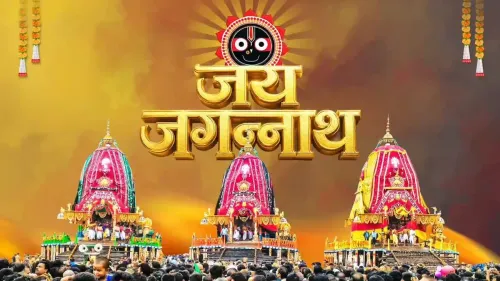
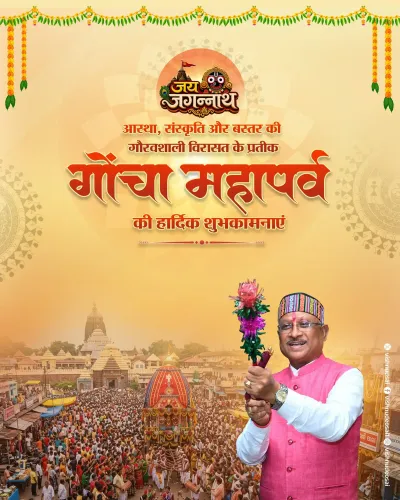
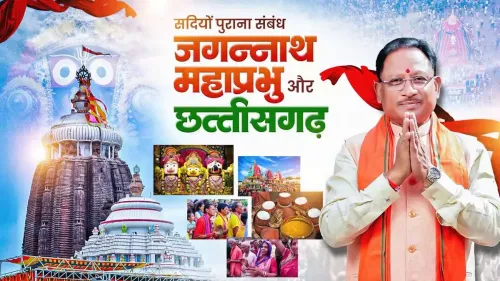
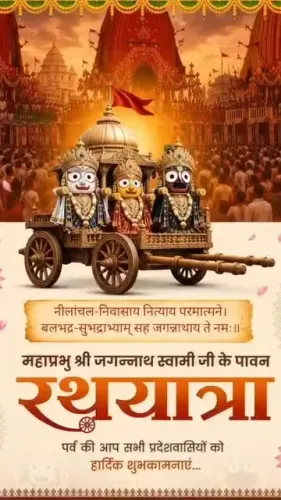
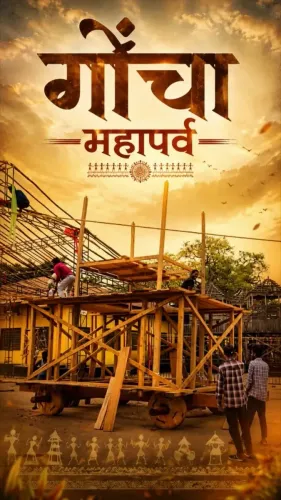
The Chief Minister's Office of Chhattisgarh on Monday, 13 July 2026, called on residents and devotees to participate in Bastar's Goncha Mahaparv, inviting families to join the Netrotsav on 15 July and the grand Rath Yatra on 16 July as part of the region's centuries-old Jagannath tradition.
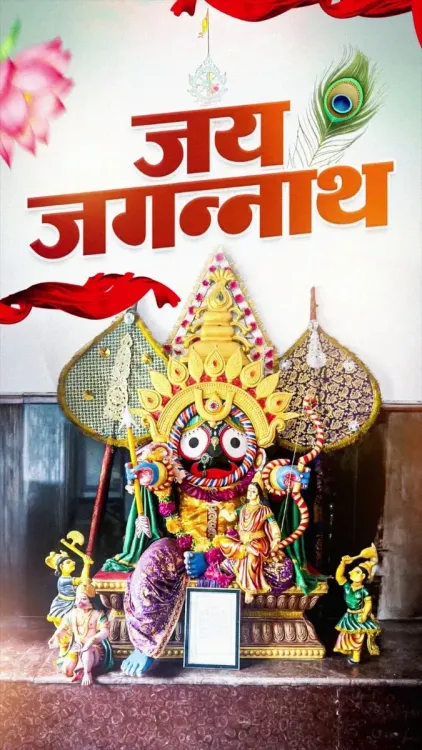
The official post, shared by Chief Minister Vishnu Deo Sai's office, opened with the invocation 'Jai Jagannath' ('Glory to Lord Jagannath') and described the festivities as an opportunity to become part of Bastar's 'glorious cultural heritage.' It urged families — sपरिवार ('with family') — to attend both events under the umbrella of the Goncha Mahaparv.
Context
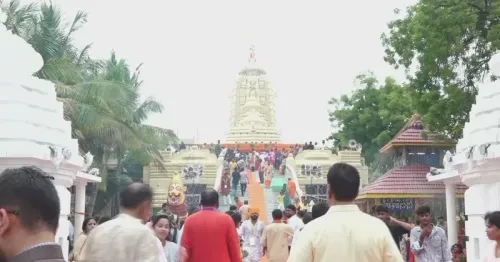
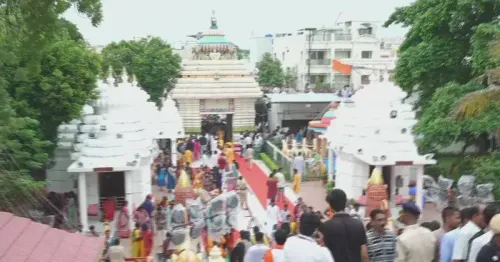
Bastar, a district in southern Chhattisgarh, is home to a distinct regional variant of Jagannath worship that has coexisted with the area's tribal traditions over many generations. The Goncha Mahaparv is the local name for the festival cycle that parallels the pan-Indian Rath Yatra observance, adapted to Bastar's cultural landscape. The Netrotsav — the ritual 'opening of the eyes' of the deity — precedes the chariot procession and marks the deity's emergence after a period of seclusion.
Policy Backdrop
Since Chhattisgarh was carved out as a separate state in 2000, successive state governments have formally supported the documentation and public observance of district-level festivals to preserve distinct regional customs. The Chhattisgarh Culture Department, tagged in the post alongside Bastar District's official account, is the state agency responsible for organising and promoting such heritage events. CM Sai's administration has publicly positioned the preservation of Bastar's cultural traditions as a policy priority.
Stakeholders and Impact
The primary beneficiaries of official backing for the Goncha Mahaparv are Bastar's residents, Jagannath devotees, and local cultural practitioners who sustain the rituals. State visibility for the festival also carries a tourism dimension: government-publicised heritage events in Bastar draw visitors from across Chhattisgarh and beyond, providing economic activity for local vendors, artisans, and hospitality providers. The Chhattisgarh Culture Department's involvement signals institutional resources being directed toward the event's organisation.
What's Next
Attendance figures and the scope of official programming for the 15–16 July 2026 events in Bastar will indicate the scale of state support mobilised this year. Observers will also watch for any follow-up announcements — such as tourism schemes or heritage conservation budgets — that the Sai administration may tie to the visibility generated by the festival. The Goncha Mahaparv's profile as a state-backed event continues to grow as a marker of Chhattisgarh's commitment to celebrating its regional cultural diversity.
Point of View
Amplifying Bastar's Jagannath tradition serves a dual purpose: affirming Hindu cultural continuity while also acknowledging the district's distinct tribal-cultural character. The tagging of the Culture Department and Bastar District signals coordinated institutional mobilisation rather than a routine social-media post. How the state translates this visibility into sustained heritage funding will be the real measure of its cultural policy commitment.
NationPress
12 Oct 2026
Frequently Asked Questions
What is Goncha Mahaparv in Bastar?
Goncha Mahaparv is Bastar's regional festival cycle centred on Lord Jagannath, featuring rituals including the Netrotsav and a Rath Yatra that reflect the district's distinct cultural integration of Jagannath worship with local traditions.
When is the Bastar Rath Yatra in 2026?
The Bastar Rath Yatra under Goncha Mahaparv is scheduled for 16 July 2026 , preceded by the Netrotsav on 15 July 2026 .
What is Netrotsav in the Goncha Mahaparv?
Netrotsav is the ritual 'opening of the eyes' of Lord Jagannath, marking the deity's emergence after a period of seclusion, and it precedes the main Rath Yatra procession.
What is CM Vishnu Deo Sai's role in Bastar's cultural festivals?
Chief Minister Vishnu Deo Sai has publicly supported the preservation of Bastar's regional cultural traditions, and his office actively promotes events like Goncha Mahaparv to encourage public participation.
Which government department organises Goncha Mahaparv in Chhattisgarh?
The Chhattisgarh Culture Department, in coordination with the Bastar District administration, is responsible for organising and promoting the Goncha Mahaparv festival.