CM Majhi Hails Gundicha Rath Construction, Urges Unity
Synopsis
Odisha Chief Minister Mohan Charan Majhi on 11 July 2026 highlighted the ongoing construction of Lord Jagannath's chariots for the Gundicha Yatra in Puri, praising the devotion of hereditary temple servitors and calling on all Odias to celebrate the world-famous festival with discipline and unity.
Key Takeaways
CM Mohan Charan Majhi posted on 11 July 2026 about ongoing chariot construction for the Gundicha Yatra in Puri .
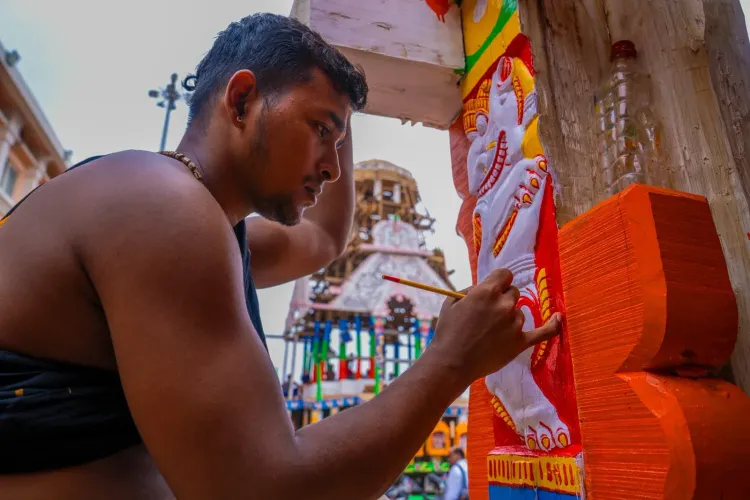
He praised the sevayats — hereditary temple servitors — for their dedication in building the chariots according to centuries-old ritual tradition.
Majhi described the chariot as 'a sacred bridge for the extraordinary union of devotee and deity.' He drew a philosophical lesson from the tradition of building new chariots each year: 'new creation, new hope and new consciousness are the inspiration for progress.' The Chief Minister urged all Odias to uphold the festival's grandeur through discipline, cooperation and mutual respect, and prayed for Odisha's peace and prosperity.
The Jagannath Rath Yatra draws millions of pilgrims annually and is a major driver of Puri 's tourism economy.
Odisha Chief Minister Mohan Charan Majhi on Saturday, 11 July 2026, invoked the spiritual and cultural significance of the upcoming Gundicha Yatra as construction of the sacred chariots for Lord Jagannath's world-renowned chariot festival progressed in Puri, urging citizens to uphold the grandeur of the tradition with discipline, cooperation and mutual respect.
Context
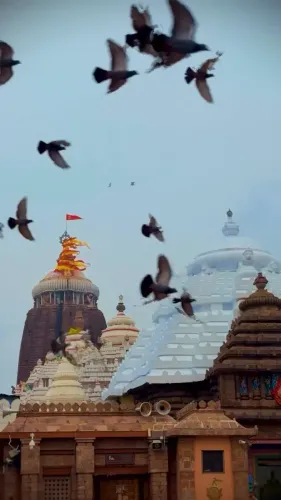
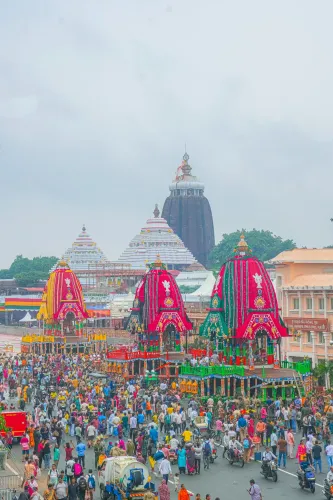
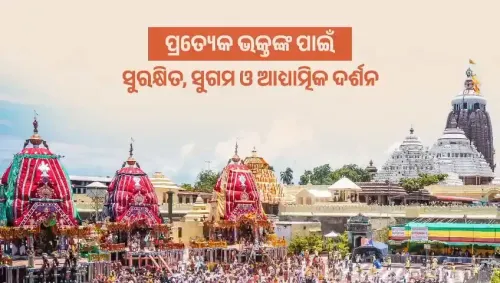
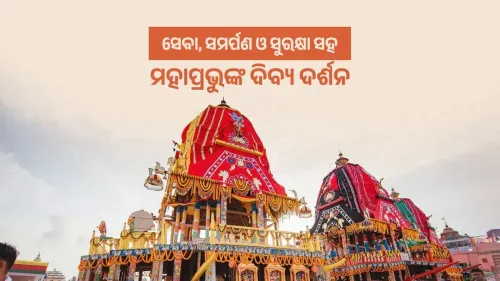
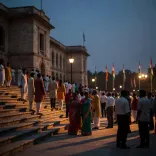
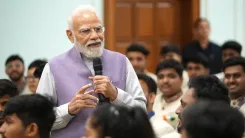
Writing in Odia, CM Majhi described the chariot construction as advancing with the devotion and singular tradition of the sevayats (hereditary temple servitors). He called the chariot 'bhakta o bhagabananka apurba milana ra eka pabitrasetu' — 'a sacred bridge for the extraordinary union of devotee and deity.' The post carries four images, underscoring the visual and ceremonial dimension of the ongoing preparations.
The Gundicha Yatra is the return leg of the Jagannath Rath Yatra, during which the deities — Lord Jagannath, Balabhadra and Subhadra — travel from the Jagannath Temple to the Gundicha Temple in three freshly built wooden chariots. The festival draws millions of pilgrims to Puri every year and is recognised globally as one of the largest religious processions on earth.
Policy Backdrop
The annual rebuilding of the chariots from fresh timber is a codified ritual practice preserved across centuries, overseen by the sevayats — the hereditary servitors of the 12th-century Jagannath Temple — in accordance with prescribed customs. State administrations across successive governments in Odisha have consistently facilitated the Rath Yatra as both a religious event and a pillar of the state's tourism economy.
CM Majhi, who assumed office in June 2024 after the BJP's assembly election victory, has made the Jagannath Temple and its associated traditions a visible cultural priority of his administration. His post reflects the broader pattern of Odisha's political leadership publicly affirming the festival's role in reinforcing regional identity.
Stakeholders and Impact
The sevayats, whose ritual responsibilities include every stage of chariot construction, are at the centre of the ongoing preparations. CM Majhi's acknowledgement of their 'dedication and unparalleled tradition' is a public recognition of their custodial role in one of India's most significant living heritage practices.
For the broader Odia community and the millions of devotees who converge on Puri, the chariot festival represents far more than a religious event. The Chief Minister drew a philosophical parallel, noting that the tradition of building new chariots each year teaches that 'new creation, new hope and new consciousness are the inspiration for progress in life.'
The festival also carries substantial economic weight for Puri and the wider state, with pilgrimage-linked commerce, hospitality and transport sectors all directly tied to the scale and smooth conduct of the yatra.
What's Next
Chariot construction is expected to be completed in the weeks ahead, with the main procession date determined by the Hindu calendar. The state administration is expected to announce additional logistical and security arrangements as the festival date approaches.
CM Majhi closed his post with a prayer: 'Mahaprabhuanka asima kruparu ama Odisha sada shanti, sadbhavana o samruddhira pathe agaku badhu' — 'By the boundless grace of Mahaprabhu, may our Odisha always move forward on the path of peace, goodwill and prosperity.' He concluded with the invocation 'Jai Jagannath!' — a rallying cry that transcends politics and resonates across the Odia cultural identity.
Point of View
He aligns the BJP-led state government with Odisha's most potent symbol of regional identity. The Jagannath tradition has historically been a politically sensitive terrain in Odisha, and Majhi's consistent public engagement with it signals his administration's intent to consolidate cultural legitimacy alongside administrative governance. The philosophical framing — equating the annual renewal of the chariots with societal progress — also allows the Chief Minister to project an aspirational message under a non-partisan, devotional register. Ahead of the main procession, such messaging is likely to be followed by concrete administrative announcements on security, infrastructure and pilgrim facilities.
NationPress
9 Oct 2026
Frequently Asked Questions
What is the Gundicha Yatra and how is it related to Rath Yatra?
The Gundicha Yatra is the outward journey of the Jagannath Rath Yatra, during which Lord Jagannath, Balabhadra and Subhadra travel in newly built wooden chariots from the Jagannath Temple to the Gundicha Temple in Puri. It is the first and most celebrated leg of the annual chariot festival.
Why are new chariots built every year for the Jagannath Rath Yatra?
Building new chariots from fresh timber each year is a codified ritual practice prescribed by ancient tradition and upheld by the hereditary sevayats of the Jagannath Temple. It symbolises renewal and is considered an integral part of the festival's sanctity.
Who are the sevayats of the Jagannath Temple?
Sevayats are hereditary temple servitors of the 12th-century Jagannath Temple in Puri. They are responsible for all ritual duties associated with the temple, including the construction and consecration of the chariots for the Rath Yatra.
What did Odisha CM Mohan Charan Majhi say about the Gundicha Yatra?
CM Majhi praised the ongoing chariot construction in Puri, calling the chariot 'a sacred bridge for the union of devotee and deity.' He urged all Odias to celebrate the festival with discipline and cooperation, and prayed for Odisha's peace and prosperity.
When is the Jagannath Rath Yatra 2026?
The exact date of the Jagannath Rath Yatra 2026 is determined by the Hindu calendar. Chariot construction in Puri was reported to be underway as of 11 July 2026, with the main procession expected in the weeks following.