CM Majhi felicitated in Puri for Jagannath culture push
Synopsis
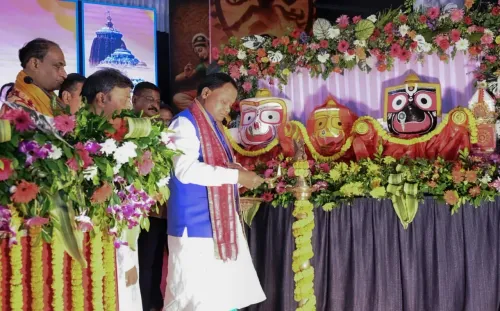
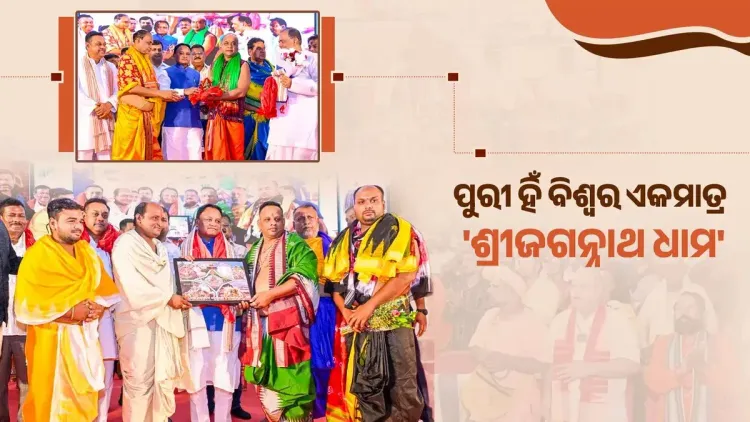
Chief Minister Mohan Majhi was accorded a grand public felicitation at Puri Town Hall by saints, temple sevayats, and devotees on 16 June 2026, recognising the Odisha government's efforts to protect Jagannath culture, uphold classical traditions, and preserve Odia identity.
Key Takeaways
CM Mohan Majhi was felicitated at Puri Town Hall on 16 June 2026 by saints, sevayats, and Jagannath devotees.
The honour recognised the government's steps to protect Shree Jagannath culture , classical traditions, and Odia identity .
CM Majhi reaffirmed that, per scripture and Sanatan tradition, Puri is the world's sole Shree Jagannath Dham .
The government pledged unbroken commitment to the global spread of Jagannath culture and the dignity of Shree Mandir .
The Shri Jagannath Temple Act of 1955 gives the Odisha state formal custodianship over the Puri temple's rituals and governance.
Focus now shifts to Rath Yatra preparations and any new directives on temple management and cultural outreach.
Chief Minister Mohan Charan Majhi was accorded a grand public felicitation at Puri Town Hall on Tuesday, 16 June 2026, by saints, temple sevayats, and devotees, recognising the Odisha government's steps to protect Shree Jagannath culture, classical traditions, and Odia identity.
Context
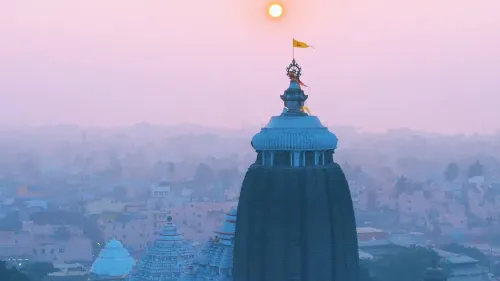
The felicitation — described in the Chief Minister's Office post as a 'ଭବ୍ୟ ଗଣସମ୍ବର୍ଦ୍ଧନା' (grand public honour) — was organised on behalf of sadhus, saints, Shree Mandir sevayats, and devotees. The gathering at Puri Town Hall brought together key stakeholders of the Shree Jagannath Temple, the ancient temple complex that sits at the heart of Odia religious and cultural life.
Addressing the gathering, CM Majhi reiterated that, according to scripture and Sanatan tradition, Puri alone is the world's singular Shree Jagannath Dham. The statement underlines the state government's position on the primacy of the Puri temple as the sole canonical seat of Lord Jagannath.
Policy Backdrop
The Shri Jagannath Temple Act of 1955 placed the Puri shrine under a state-administered management structure, giving successive Odisha governments formal custodianship over its rituals, traditions, and governance. CM Majhi, who took office in 2024 as the BJP's first Chief Minister of Odisha in over two decades, has publicly centred Jagannath culture as a pillar of his administration's identity agenda.
The Chief Minister's Office stated that the government's commitment to the 'ବିଶ୍ୱବ୍ୟାପୀ ପ୍ରସାର' (global spread) of Jagannath culture, the protection of the temple's dignity, and the preservation of Odia pride 'will remain unbroken.' This framing connects religious heritage management with a broader assertion of Odia linguistic and cultural distinctiveness.
Stakeholders and Impact
Sevayats — the hereditary servitors and ritual priests of the Jagannath Temple — are among the most directly affected stakeholders. Their participation in the felicitation signals broad acceptance from the temple's traditional custodians of the current government's approach to temple management.
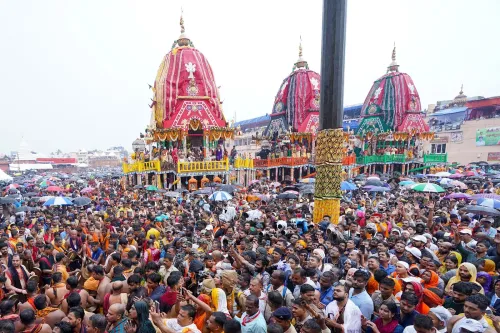
For Jagannath devotees across Odisha and the wider diaspora, the government's stated commitment to global outreach carries significance, particularly ahead of the annual Rath Yatra, which draws millions of pilgrims to Puri each year. Odia cultural organisations that have long advocated for the protection of regional identity also stand as key beneficiaries of this policy posture.
What's Next
Attention will now turn to how the Odisha government translates these commitments into concrete action — particularly in the management of the upcoming Rath Yatra and any new directives on temple rituals or cultural outreach programmes. The government's pledge to promote Jagannath culture globally also raises expectations around international engagement with the Odia diaspora and cultural diplomacy initiatives.
For CM Majhi, sustaining the goodwill of sevayats, saints, and devotees will be central to the administration's cultural credibility — especially as temple governance remains a politically sensitive domain in Odisha.
Point of View
Lending religious legitimacy to a BJP administration that came to power partly on a platform of asserting Hindu heritage. By reaffirming Puri's singular status as Jagannath Dham, Majhi is staking a clear ideological position that intertwines Odia regional pride with Sanatan Hindu identity — a combination that has proven electorally potent across Indian states. The participation of sevayats, who have historically been wary of political interference in temple affairs, signals a degree of institutional buy-in that his predecessors did not always enjoy. Whether this goodwill translates into substantive reform of temple administration or remains symbolic will be the real test of the government's commitment.
NationPress
15 Sept 2026
Frequently Asked Questions
Why was CM Mohan Majhi felicitated at Puri Town Hall?
CM Mohan Majhi was felicitated by saints, Shree Mandir sevayats, and devotees at Puri Town Hall on 16 June 2026 in recognition of the Odisha government's steps to protect Shree Jagannath culture, classical traditions, and Odia identity.
What did CM Majhi say about Puri being the only Jagannath Dham?
CM Majhi reiterated at the Puri event that, according to scripture and Sanatan tradition, Puri is the world's one and only Shree Jagannath Dham, reaffirming the primacy of the Puri temple as the canonical seat of Lord Jagannath.
Who are sevayats of the Jagannath Temple?
Sevayats are the hereditary servitors and ritual priests of the Shree Jagannath Temple in Puri. They are responsible for the daily worship routines and the conduct of major festivals including the annual Rath Yatra.
Which law governs the administration of the Jagannath Temple in Puri?
The Shri Jagannath Temple Act of 1955 placed the Puri temple under a state-managed administration, giving the Odisha government formal oversight over its rituals, traditions, and governance.
What is the Odisha government's commitment on Jagannath culture?
The Chief Minister's Office stated that the government's commitment to the global spread of Jagannath culture, protection of the temple's dignity, and preservation of Odia identity 'will remain unbroken.'