Trump Welcomes Stephen Hubbard Home After Release From Russia
Synopsis
President Trump welcomed Stephen Hubbard to the Oval Office after securing his release from Russian captivity, with the White House declaring 'America will never leave its own behind' — the latest in a long line of high-stakes US-Russia prisoner negotiations.
Key Takeaways
Stephen Hubbard has been released from Russian captivity and welcomed to the Oval Office by President Donald J.
The White House framed the release as a direct result of Trump's diplomatic engagement with Russia .
The US has a documented history of securing citizens from Russian custody, including the December 2022 release of Brittney Griner in exchange for Viktor Bout .
The White House statement declared: 'America will never leave its own behind,' invoking a core principle of US citizen protection abroad.
Attention now turns to whether additional Americans remain in Russian custody and whether further diplomatic activity is underway.
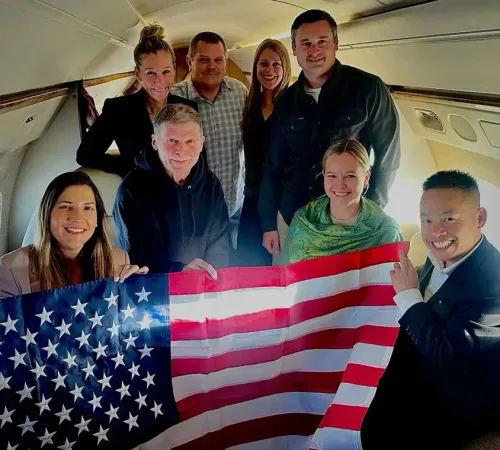
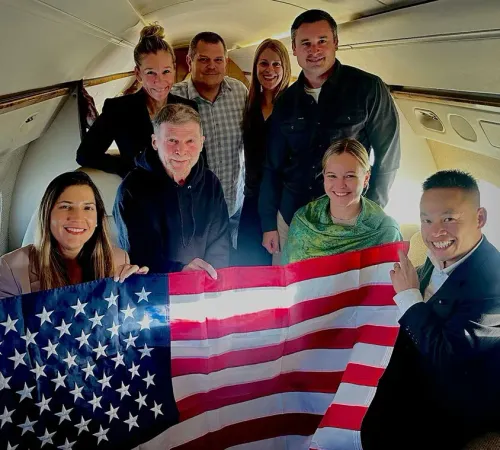
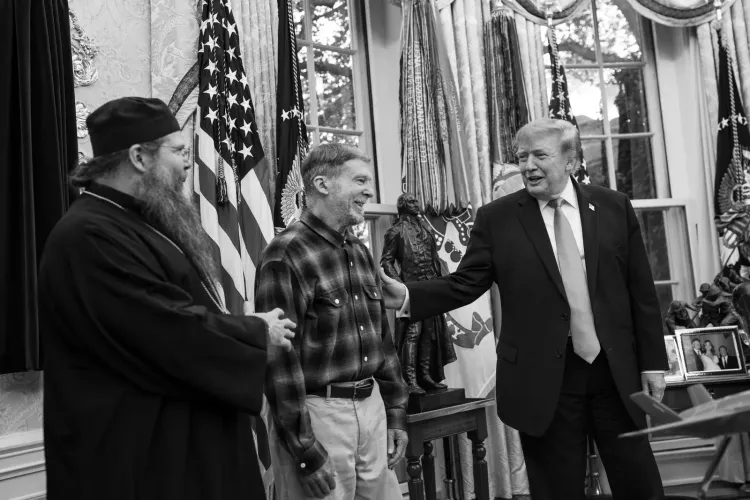
An American is back on home soil. President Donald J. Trump welcomed Stephen Hubbard to the Oval Office after securing his release from Russian captivity, with the White House marking the moment as a fulfillment of America's promise to its citizens abroad.
From Russian Custody to the Oval Office
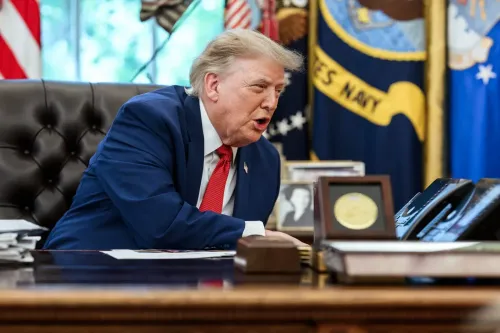
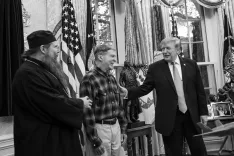
The White House announced the homecoming with a celebratory post on X, declaring: 'Welcome home, Stephen Hubbard! President Donald J. Trump welcomes him to the Oval Office after securing his release from Russian captivity. God bless Stephen Hubbard and his family. America will never leave its own behind.' The message, paired with images from the Oval Office meeting, underscored the personal and diplomatic weight of the moment.
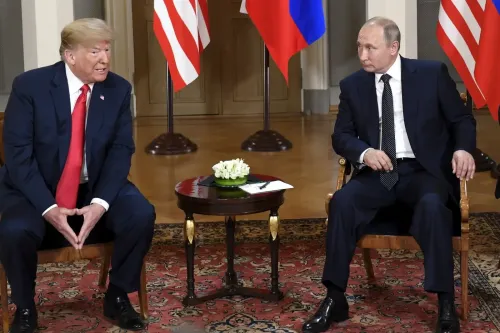
Hubbard's return is the latest chapter in a long, difficult American effort to bring its citizens home from Russia. Diplomatic negotiations to free Americans held by Moscow have been a recurring and often agonizing feature of US-Russia relations — conducted quietly behind layers of geopolitical tension, sanctions disputes, and competing espionage accusations.
A Pattern of High-Stakes Prisoner Diplomacy
The precedent runs deep. In December 2022, the United States secured the release of WNBA star Brittney Griner from a Russian penal colony, trading convicted arms dealer Viktor Bout in a deal that drew both relief and fierce public debate. That exchange set a template — and raised expectations — for how Washington would pursue other Americans still held behind bars in Russia.
Successive administrations have approached these negotiations through a combination of back-channel diplomacy, third-party intermediaries, and public pressure. Each release carries its own terms; each one leaves behind others whose families are still waiting.
What Hubbard's Return Signals
For the Trump administration, the Oval Office welcome is a deliberate image — a president personally receiving a freed American, framing the outcome as a product of his direct diplomatic engagement with Moscow. The message 'America will never leave its own behind' is a phrase with deep military and diplomatic resonance, invoking a code that spans both wartime and peacetime captivity.
The question that now hangs over Washington: are there other Americans still held by Russia, and does Hubbard's release signal a broader thaw — or a one-off deal? The families of other detained citizens will be watching every word from the White House with that answer in mind.
Point of View
The Oval Office optics are intentional: a physical handshake with a freed American is the clearest possible rebuttal to critics who question Washington's leverage over Moscow. The broader arc, however, is one of ongoing tension: each successful release highlights how many Americans remain unaccounted for in Russian custody, keeping the pressure on US diplomats to negotiate further. Whether this marks the beginning of a wider prisoner accord or a discrete, transactional deal will define the story going forward.
NationPress
31 Oct 2026
Frequently Asked Questions
Who is Stephen Hubbard and why was he in Russian captivity?
Stephen Hubbard is an American citizen who was held in Russian captivity. The White House announced his release and his personal welcome by President Trump at the Oval Office, though specific details of the charges or circumstances of his detention have not been publicly confirmed in this announcement.
How did the US secure Stephen Hubbard's release from Russia?
The White House credited President Trump with securing Hubbard's release through diplomatic engagement, though the specific terms — including whether a prisoner exchange was involved — have not been publicly disclosed in this announcement.
Has the US released Americans from Russian custody before?
Yes. In December 2022, the US secured the release of WNBA player Brittney Griner from a Russian penal colony in a swap for convicted arms dealer Viktor Bout. Such negotiations are a recurring feature of US-Russia relations.
Are there other Americans still held in Russia?
Multiple US citizens are believed to remain in Russian custody. Each release raises expectations and scrutiny about ongoing diplomatic efforts to bring home others who are still detained.
What did the White House say about Hubbard's return?
The White House posted: 'Welcome home, Stephen Hubbard! President Donald J. Trump welcomes him to the Oval Office after securing his release from Russian captivity. God bless Stephen Hubbard and his family. America will never leave its own behind.'