CM Rio's NDPP Welcomes RPP Nagaland in Fresh Merger
Synopsis
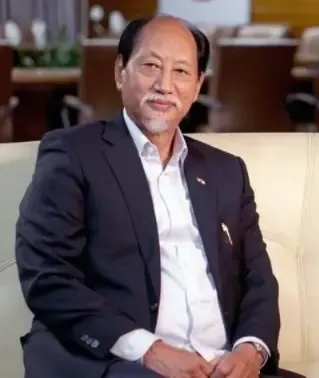
Nagaland Chief Minister Neiphiu Rio announced on 11 July 2026 that the Republican Party of Nagaland has merged with his NDPP, calling it 'a new chapter' in collective service. The move deepens regional consolidation in a state shaped by tribal politics and the Naga peace process.
Key Takeaways
Nagaland CM Neiphiu Rio announced on 11 July 2026 that the Republican Party of Nagaland (RPP) has merged with his Nationalist Democratic Progressive Party (NDPP) .
Rio described the merger as 'the beginning of a new chapter' driven by a shared commitment to serve the people with 'unity, purpose, and dedication'.
The NDPP was founded by Rio in 2017 after he broke away from the Nagaland People's Front (NPF) , triggering a wave of regional realignments.
The merger continues a broader pattern of party consolidation in Nagaland , historically used to strengthen bargaining power within coalitions that include the BJP .
Formal details — including leadership arrangements and Election Commission of India filings — are yet to be publicly announced.
The development could affect the composition of the Nagaland Legislative Assembly and the state's alliance dynamics ahead of the next assembly elections.
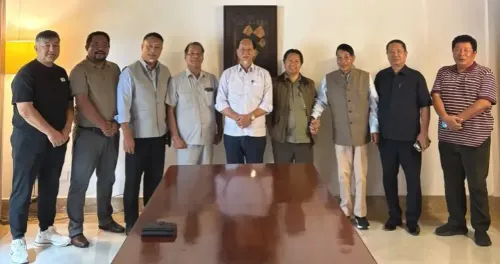
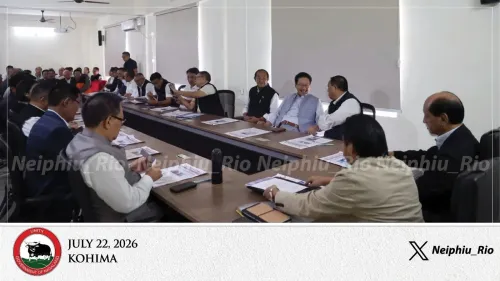
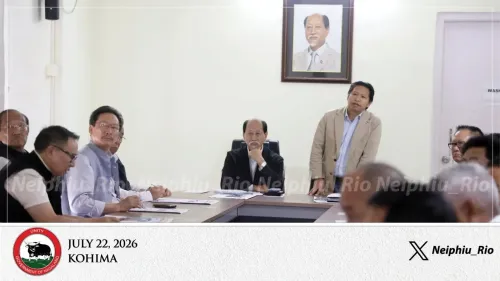
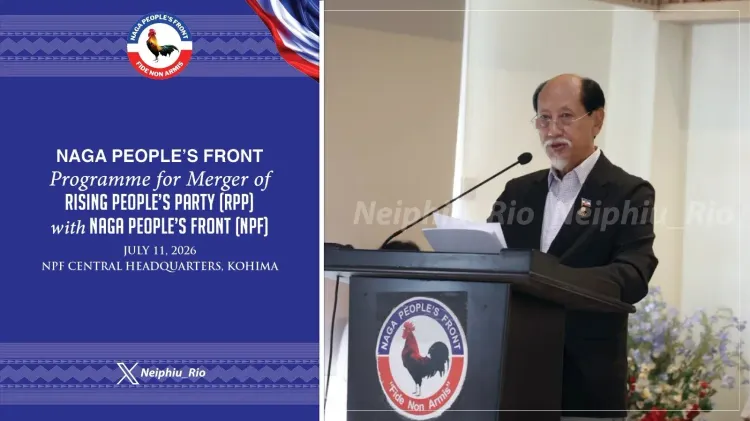
Nagaland Chief Minister Neiphiu Rio announced on Saturday, 11 July 2026 that the Nationalist Democratic Progressive Party (NDPP) has formally welcomed the Republican Party of Nagaland (RPP) into its fold, describing the development as the beginning of a new chapter in the state's political landscape.
Posting on X, Rio wrote: 'Today marks the beginning of a new chapter. The NDPP welcomes the RPP Nagaland as we come together with a shared commitment to serve the people with unity, purpose, and dedication. This merger reflects our collective resolve to strengthen our efforts in the service of our people.'
Context
The merger brings together two regional formations under the NDPP banner, the party Rio founded in 2017 after breaking away from the Nagaland People's Front (NPF). That split had already reshuffled the state's political deck ahead of assembly elections and set off a broader realignment among Nagaland's regional parties. The absorption of the RPP Nagaland continues that consolidation trend.
Nagaland, a northeastern state governed under the special provisions of Article 371A, has a political culture shaped by tribal institutions, regional identity, and the long-running Naga peace process. Party mergers here carry weight beyond electoral arithmetic, often signalling shifts in the broader coalition of forces engaged with the central government on the peace accord.
Policy Backdrop
Regional party consolidation in Nagaland has historically served to strengthen the bargaining position of state-level formations within alliances that include national parties, most notably the BJP. The NDPP has governed Nagaland in coalition with the BJP, and a larger unified bloc could reinforce that arrangement heading into future electoral cycles.
Precedents for such consolidation go back to factional reunifications within the NPF itself during the 2000s and 2010s. Each round of realignment has typically coincided with either pre-poll positioning or shifts in the state's relationship with the central government on the peace process.
Stakeholders and Impact
The immediate beneficiary is the NDPP, which expands its organisational base by incorporating the RPP Nagaland's membership and support networks. Nagaland's voters, tribal bodies, and civil society organisations — all of whom closely track party alignments as signals of governance priorities — will be watching how the merged entity translates its stated commitment to 'unity, purpose, and dedication' into policy action.
The NPF, now in opposition, faces a further reduction in the available political space for non-NDPP regional voices. The merger could also affect the composition of the Nagaland Legislative Assembly if sitting RPP legislators formally switch affiliation.
What's Next
The practical implications of the merger — leadership arrangements, seat-sharing protocols, and formal registration changes with the Election Commission of India — are yet to be publicly detailed. Political observers will look for whether the enlarged NDPP uses this consolidation to renegotiate terms within its alliance with the BJP at the state level, and how the move intersects with the ongoing Naga peace talks with the central government.
With Nagaland assembly elections on the horizon, this merger positions the NDPP as the dominant regional force in the state, potentially narrowing the field for smaller parties and reshaping the coalition calculus in Kohima.
Point of View
Rio reduces vote-splitting risk and presents a unified front to both the electorate and his national alliance partner, the BJP. The move also subtly shifts the balance of power within the NDPP-BJP coalition, as a larger NDPP base gives Rio greater leverage in seat-sharing negotiations. In the context of the still-unresolved Naga peace process, projecting internal political unity may also be a signal to New Delhi that the state government speaks with one voice.
NationPress
10 Oct 2026
Frequently Asked Questions
What is the NDPP-RPP merger in Nagaland?
The NDPP-RPP merger refers to the Republican Party of Nagaland formally joining the Nationalist Democratic Progressive Party led by Chief Minister Neiphiu Rio, as announced on 11 July 2026.
Why do regional parties merge in Nagaland?
Regional party mergers in Nagaland are typically driven by the need to consolidate votes, strengthen coalition bargaining power with national parties like the BJP, and present a unified front ahead of assembly elections.
What is the Republican Party of Nagaland?
The Republican Party of Nagaland (RPP) is a regional political party in Nagaland that has now merged with the ruling NDPP, expanding the ruling party's organisational base in the state.
How does this merger affect Nagaland politics?
The merger enlarges the NDPP's base, potentially reduces political space for smaller regional parties, may alter the composition of the Nagaland Legislative Assembly, and could strengthen Rio's position in coalition negotiations with the BJP.