CM Rio: Projects to boost Nagaland villages, farmers, youth
Synopsis
Nagaland Chief Minister Neiphiu Rio on June 8, 2026, highlighted ongoing projects set to benefit rural villages, improve farmer returns through agro-processing, and generate local employment for youth and entrepreneurs across the state.
Key Takeaways
CM Neiphiu Rio on June 8, 2026 stated that ongoing projects will 'directly impact our villages and people' in Nagaland .
Farmers are expected to earn better returns as produce is processed, packaged and marketed more effectively under the initiative.
The projects aim to create space for young entrepreneurs to innovate and grow within the state.
A key goal is generating employment closer to home for Nagaland's youth, addressing chronic out-migration.
Nagaland governments under Rio have aligned with central agro-processing and rural infrastructure schemes since the 2010s .
Specific project names, funding figures, and rollout timelines were not disclosed in the post.
Nagaland Chief Minister Neiphiu Rio on Monday, June 8, 2026, underscored the transformative potential of ongoing infrastructure and agro-processing projects for the state's rural communities, saying they would directly benefit villages, farmers, and young people across Nagaland.
Context
Chief Minister Rio made the remarks in a post on X, stating: 'These projects will directly impact our villages and people. Young entrepreneurs will have space to innovate and grow. Farmers will earn better returns as produce is processed, packaged and marketed effectively. Youth will find jobs closer to home.'
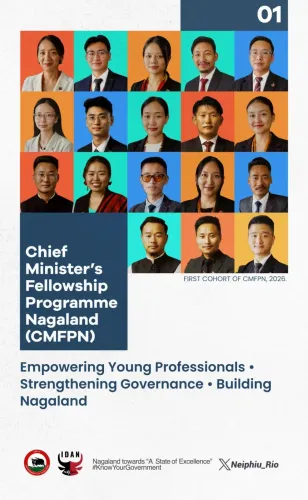
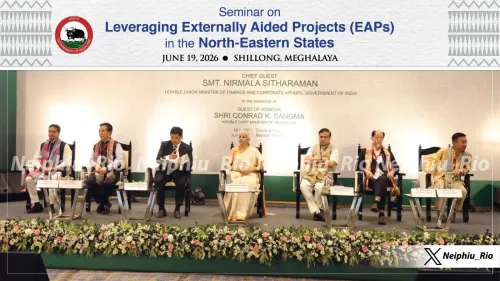
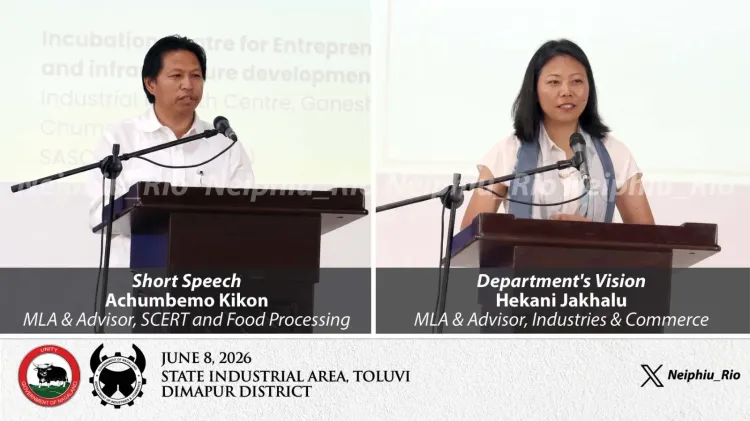
The statement came with two images attached, signalling an on-ground or ceremonial context, though the specific projects referenced were not named in the post. The remarks reflect Rio's consistent public positioning around rural economic uplift as a core governance priority.
Policy Backdrop
Since the 2010s, successive Nagaland governments under Rio and the Nationalist Democratic Progressive Party (NDPP) have aligned state plans with central schemes targeting agro-processing and rural infrastructure across the Northeast. The emphasis on processing, packaging, and marketing of farm produce reflects a value-chain development approach — moving the state away from dependence on raw produce exports toward retaining more economic activity locally.
This approach mirrors broader Indian government policy directing increased resources toward northeastern states for balanced regional growth, with agri-processing clusters and rural connectivity forming key pillars of that push.
Stakeholders and Impact
Nagaland's predominantly tribal, agriculture-dependent rural population stands to gain most directly if the referenced projects deliver on their promise. Farmers who currently sell raw produce at lower margins could benefit from organised processing and marketing infrastructure that adds value before goods reach the market.
For the state's youth, the prospect of employment 'closer to home' addresses one of Nagaland's most persistent challenges: out-migration of young people seeking livelihoods in larger cities. Local entrepreneurs, too, stand to gain if dedicated innovation and business spaces materialise as part of the project rollout. Across the Northeast, similar value-chain interventions have shown mixed results depending on funding utilisation and implementation timelines.
What's Next
Attention will now turn to the specific project details, rollout timelines, and funding utilisation — none of which were disclosed in the post. State budget announcements on agri-processing units and any formal scheme launches will be closely watched by stakeholders in Nagaland's farming and entrepreneurial communities.
If the projects are executed as described, they could mark a meaningful step in Nagaland's effort to build a self-sustaining rural economy — reducing youth out-migration and raising farm incomes simultaneously, two goals that have long defined CM Rio's development agenda.
Point of View
Youth, and entrepreneurs in a single statement, Rio is signalling a value-chain logic that goes beyond individual schemes. This fits a broader pattern across the Northeast where state governments are under pressure to show that central funds translate into tangible local livelihoods, not just physical assets. The real test, as always, will be in the implementation details that the post deliberately leaves unspecified.
NationPress
26 Oct 2026
Frequently Asked Questions
What projects is Nagaland CM Neiphiu Rio talking about?
CM Rio did not name specific projects in his June 8, 2026 post, but described them as initiatives that will process, package and market farm produce, create space for young entrepreneurs, and generate local jobs for Nagaland's youth.
How will Nagaland farmers benefit from these projects?
According to CM Rio , farmers will earn better returns because their produce will be processed, packaged and marketed more effectively rather than being sold as raw goods, adding value along the supply chain.
What is Neiphiu Rio's development focus for Nagaland?
Neiphiu Rio , serving multiple terms as Nagaland Chief Minister , has consistently focused on rural infrastructure, agro-processing, and connectivity, aligning state plans with central schemes targeting the Northeast since the 2010s .
How does Nagaland plan to stop youth from leaving the state?
CM Rio indicated that the referenced projects aim to create employment 'closer to home,' directly addressing Nagaland's challenge of youth out-migration to larger cities in search of livelihoods.
What is the NDPP's stance on rural development in Nagaland?
The Nationalist Democratic Progressive Party (NDPP) , led by CM Rio , has made village-level economic development a central plank, emphasising value-chain agriculture and local entrepreneurship as tools for sustainable rural growth.