CM Rio: Nagaland Pushes Coffee, Bamboo for Farmer Incomes
Synopsis
Nagaland Chief Minister Neiphiu Rio has outlined the state's active promotion of coffee cultivation, floriculture, high-value horticulture, spices, food processing, and bamboo-based industries as part of a green economy drive to raise farmer incomes and create sustainable rural employment.
Key Takeaways
CM Neiphiu Rio confirmed on June 11, 2026 that Nagaland is actively promoting coffee cultivation, floriculture, high-value horticulture, spices, food processing , and bamboo-based industries .
The stated objectives are to enhance farmers' incomes , create employment , and build sustainable livelihoods across the state.
The push aligns with the Mission Organic Value Chain Development for North Eastern Region (2015) and the restructured National Bamboo Mission (2018).
Nagaland's strategy mirrors diversification efforts in neighbouring northeastern states such as Arunachal Pradesh and Mizoram .
Key sectors — bamboo processing and food processing — carry significant employment multiplier potential beyond primary agriculture.
Upcoming state budget allocations and potential agreements with the Coffee Board of India will be closely watched for implementation details.
Nagaland Chief Minister Neiphiu Rio on Thursday, June 11, 2026, outlined the state government's active push across multiple green economy sectors — from coffee cultivation and floriculture to bamboo-based industries and food processing — aimed at raising farmer incomes and generating rural employment across Nagaland.
Context
Chief Minister Rio stated that Nagaland is actively promoting coffee cultivation, floriculture, high-value horticulture, spices, food processing, bamboo-based industries, and other green economy initiatives. The stated goals are to enhance farmers' incomes, create employment, and build sustainable livelihoods across the state. The announcement came as a reply on X, reinforcing the administration's public communication on agricultural diversification.
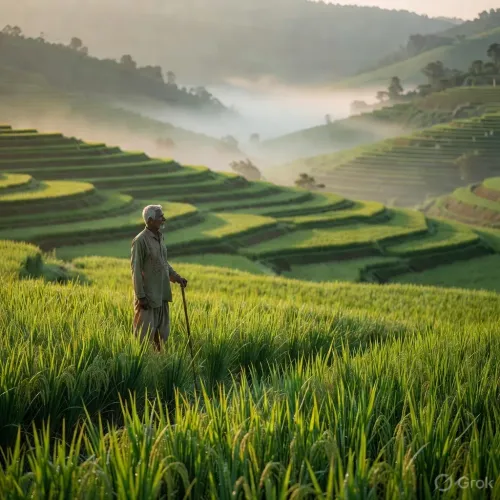
Nagaland's agrarian landscape has historically been shaped by jhum (shifting) cultivation, a practice that limits productivity and poses environmental challenges. The state's pivot toward high-value cash crops and value-added sectors represents a deliberate departure from this tradition, aligning with broader northeastern India development priorities.
Policy Backdrop
The push draws on a layered policy foundation. The Mission Organic Value Chain Development for North Eastern Region, launched in 2015, has provided a framework for promoting organic spices, horticulture, and value addition in Nagaland and neighbouring states. Separately, the National Bamboo Mission, restructured in 2018, expanded support for bamboo cultivation, processing, and industry development — sectors explicitly named by CM Rio.
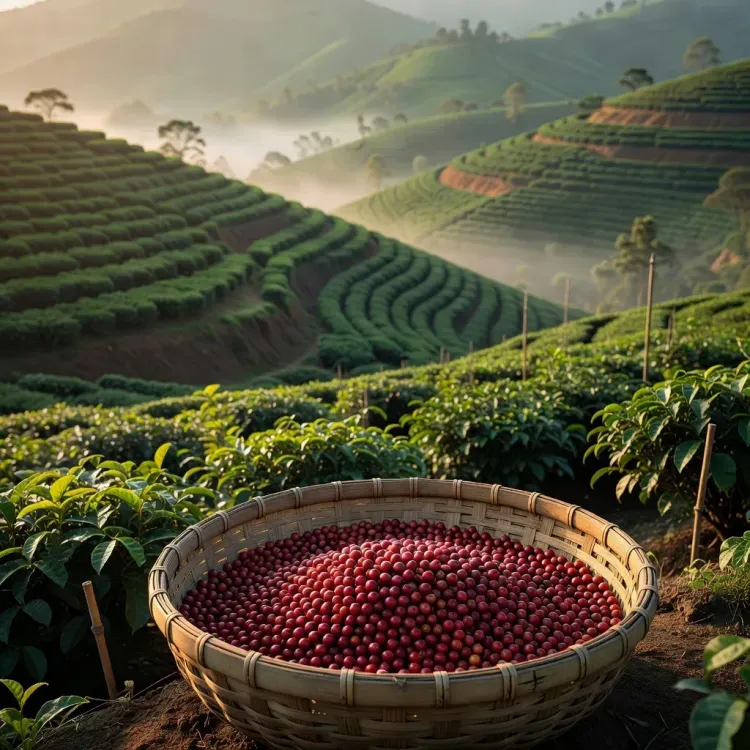
Coffee cultivation in Nagaland has gained traction in recent years, with the state's altitude and soil conditions in districts such as Phek and Kohima considered suitable for arabica varieties. Floriculture and spice cultivation add further diversification, reducing dependence on any single crop cycle and spreading income risk for smallholder farmers.
Stakeholders and Impact
The primary beneficiaries are Nagaland's farming communities and rural entrepreneurs, particularly those in hilly districts where alternative livelihoods are limited. Bamboo-based industries carry added significance: Nagaland holds substantial bamboo forest cover, and downstream processing — furniture, handicrafts, construction materials — can absorb rural labour beyond the farm gate.
Food processing is another pillar with employment multiplier potential, linking primary agricultural output to packaged goods that command higher market prices. The convergence of these sectors under a 'green economy' framing also positions the state to attract central scheme funding and potential private investment aligned with sustainability mandates.
The approach mirrors strategies adopted by neighbouring states such as Arunachal Pradesh and Mizoram, which have similarly pursued high-value horticulture and bamboo industries to reduce subsistence farming dependence and improve rural household incomes.
What's Next
Analysts and stakeholders will watch for concrete budget allocations in the next state budget cycle, as well as any formal agreements with the Coffee Board of India or central horticulture missions that could accelerate implementation. Updates during assembly sessions or meetings of the North Eastern Council (NEC) may provide further detail on targets and timelines.
If the state translates this multi-sector ambition into measurable farmer income growth and sustained employment numbers, Nagaland could emerge as a reference model for green economy transitions among India's smaller northeastern states — and strengthen CM Rio's political positioning ahead of future electoral cycles.
Point of View
Suggesting an alignment strategy with New Delhi that could unlock additional budgetary support. However, the breadth of the announcement — spanning coffee, bamboo, floriculture, spices, food processing and horticulture simultaneously — raises the question of whether state capacity and budget allocations are concentrated enough to produce measurable outcomes in any single sector. The proof of the policy's credibility will lie in the next budget session and in verifiable data on farmer incomes and employment generated.
NationPress
13 Sept 2026
Frequently Asked Questions
What sectors is Nagaland promoting under its green economy initiative?
Nagaland is actively promoting coffee cultivation, floriculture, high-value horticulture, spices, food processing, and bamboo-based industries as part of its green economy drive, according to Chief Minister Neiphiu Rio.
What is the National Bamboo Mission and how does it relate to Nagaland?
The National Bamboo Mission, restructured in 2018, is a central government scheme that supports bamboo cultivation, processing, and industry development. Nagaland, with its substantial bamboo forest cover, is among the northeastern states that benefit from this mission.
Why is Nagaland shifting away from jhum cultivation?
Jhum, or shifting cultivation, limits agricultural productivity and causes environmental degradation. Nagaland is transitioning toward high-value cash crops and value-added industries to improve farmer incomes and reduce ecological impact.
How does Nagaland's agricultural strategy compare with other northeastern states?
Nagaland's push for coffee, spices, floriculture, and bamboo industries mirrors similar diversification efforts in Arunachal Pradesh and Mizoram, reflecting a regional pattern aligned with central schemes for NER economic development.
What central schemes support Nagaland's horticulture and organic farming push?
The Mission Organic Value Chain Development for North Eastern Region, launched in 2015, provides a framework for organic spices, horticulture, and value addition in Nagaland and other northeastern states.