Nagaland's Coffee Exports Thrive as Global Demand Grows

Synopsis
Nagaland's Chief Minister Neiphiu Rio revealed the state's coffee is now being exported internationally, with rising demand from various countries. Alongside other agricultural products, the government is enhancing its MSME sector to boost economic growth. Discover how Nagaland is positioning itself in the global market.
Key Takeaways
Nagaland is exporting coffee to international markets.
Growing demand from countries like Japan and South Korea.
Focus on MSME development to boost local economy.
Establishment of a Yarn Bank to support traditional weaving.
Efforts to enhance ease of doing business in the state.
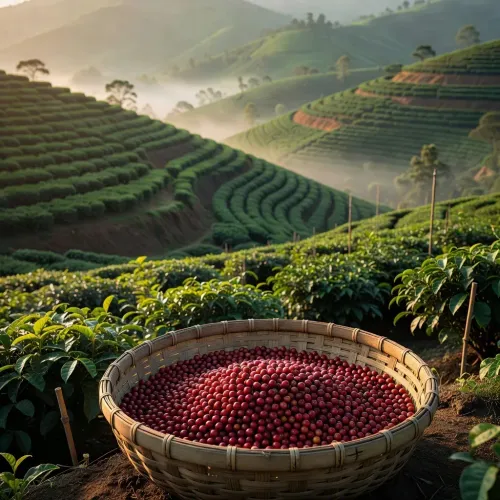
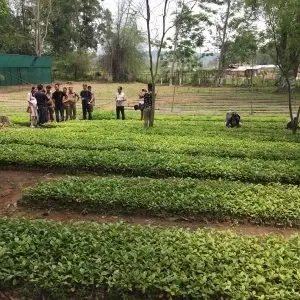
Kohima, March 10 (NationPress) Nagaland's Chief Minister, Neiphiu Rio, announced on Tuesday that coffee from the state is now being exported to the United Arab Emirates, with growing interest from markets in Bahrain, various European nations, South Korea, Singapore, and Japan.
Rio also highlighted that pineapple and the renowned ‘king chilli’ are seeing increased exports to global markets.
During a discussion in the state assembly regarding the significance of MSMEs, Rio stated that the government is actively fostering enterprise development in agriculture and related sectors. Nagaland has made a notable impact in the Export Preparedness Index 2024, securing the third position among small states.
As of March 9, 2026, a total of 48,655 enterprises have been documented on the Udyam portal in Nagaland. Among these, 48,464 are classified as micro enterprises, predominantly consisting of nano enterprises with a turnover of less than Rs 25 lakh, while there are 175 small enterprises and 16 medium-sized enterprises.
Through the Chief Minister’s Microfinance Initiative (CMMFI), 777 MSME units have been established, leading to investments exceeding Rs 65 crore, supported by government subsidies and credit arrangements. These businesses, primarily in transport services, retail, hospitality, and small manufacturing sectors, are anticipated to create over 1,500 direct jobs.
The Chief Minister revealed that there are currently 13 MSME development projects underway, with an additional 15 submitted to the Union Ministry of MSME for approval. These initiatives are designed to enhance industrial infrastructure and encourage cluster-based growth.
Under the Prime Minister’s Employment Generation Programme (PMEGP), the target for the period 2025–26 is to launch 454 projects, of which 66 have already received approval. Over the last five years, 3,715 beneficiaries have benefited from the program.
Rio mentioned that the state is also implementing initiatives like the RAMP (Raising and Accelerating MSME Performance) program to boost competitiveness through capacity building, registration drives, and buyer-seller meetings. The PM Vishwakarma Scheme has attracted over 25,000 artisan applications, providing training and financial support.
Efforts are being made to promote cluster-based development and add value in sectors like food processing, handicrafts, handloom, and agro-based industries. The government is reviewing provisions to ensure that a portion of procurement comes from local MSMEs.
To assist traditional weaving communities, Rio stated that the government is working on establishing a Yarn Bank in Nagaland to guarantee a consistent supply of quality yarn at reasonable prices, thereby lowering production costs and promoting traditional Naga textile designs in broader markets.
In terms of skill development, the Nagaland Skill and Entrepreneurship Development Mission (NSEDM) has enrolled 3,091 candidates in various training programs as of February 2026. Out of these, 2,365 have completed their training, while 495 are currently in training, with additional phases planned to reach the goal of skilling 5,000 youths.
Rio acknowledged that MSMEs still encounter challenges regarding access to credit, bank approvals, and market connections. The state is collaborating with banks, district industry centers, and other stakeholders to overcome these obstacles and provide timely assistance. He encouraged legislators to motivate youth in their constituencies.
He assured that the government will persist in enhancing the ease of doing business, fortifying financial support systems, and encouraging innovation to ensure that MSMEs evolve into sustainable and competitive entities in Nagaland.
Point of View
The developments in Nagaland's agricultural and MSME sectors signify a positive shift in economic growth. The state's commitment to exporting quality products like coffee and promoting traditional crafts highlights a strategic approach towards enhancing its global market presence.
NationPress
10 Oct 2026
Frequently Asked Questions
What products is Nagaland exporting?
Nagaland is exporting coffee, pineapple, and processed 'king chilli' to various international markets.
How many enterprises are registered in Nagaland?
As of March 9, 2026, there are 48,655 enterprises registered on the Udyam portal in Nagaland.
What initiatives are in place to support MSMEs?
The government has established the Chief Minister's Microfinance Initiative and various projects to enhance MSME development.
What is the target for the Prime Minister's Employment Generation Programme?
The target for the PMEGP for 2025–26 is 454 projects, with 66 already sanctioned.
How is the state supporting traditional weaving communities?
The state government is working on establishing a Yarn Bank to ensure a steady supply of quality yarn at affordable rates.