Lalan Singh Launches High Seas Fishing LoA System at OUAT
Synopsis
Union Fisheries Minister Lalan Singh launched a fully online Letter of Authorisation system for high-seas fishing at OUAT Bhubaneswar on 9 July 2026, prioritising Indian-flagged vessels, FPOs and cooperatives as part of the Blue Economy and Viksit Bharat 2047 agenda.
Key Takeaways
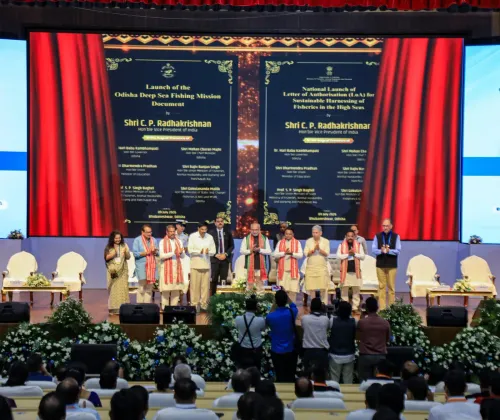
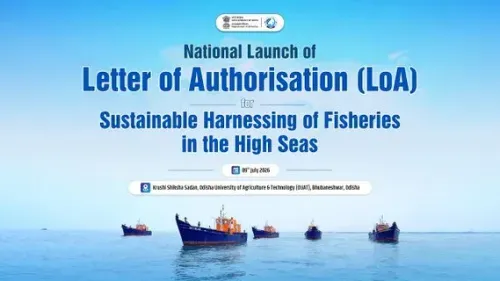
The national launch of the online Letter of Authorisation (LoA) system for high-seas fishing was held at OUAT, Bhubaneswar on 9 July 2026 .
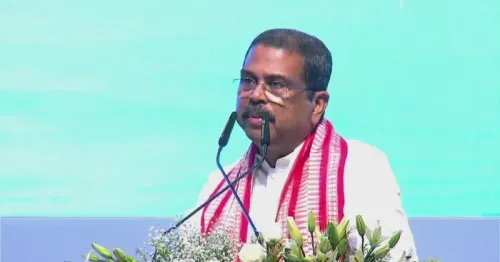
Vice President Jagdeep Dhankhar , Odisha CM Mohan Charan Majhi , and Union Education Minister Dharmendra Pradhan attended the event.
The system gives priority to vessels flying the Indian tricolour and to FPOs, fisheries cooperatives, and Indian entrepreneurs .
The initiative is anchored in the Pradhan Mantri Matsya Sampada Yojana (PMMSY) launched in May 2020 and the broader Blue Economy framework.
The move aligns India's domestic fisheries policy with UNCLOS obligations and international sustainability commitments.
The government has linked the initiative to the Viksit Bharat 2047 development vision.
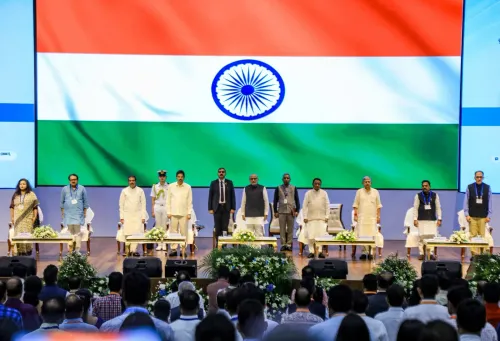
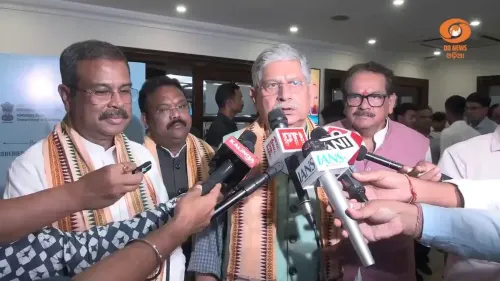
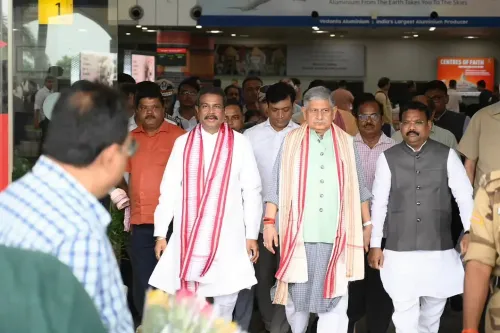
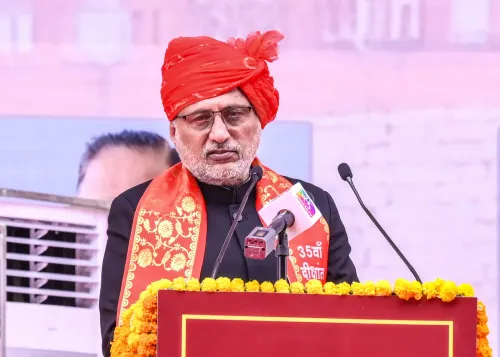
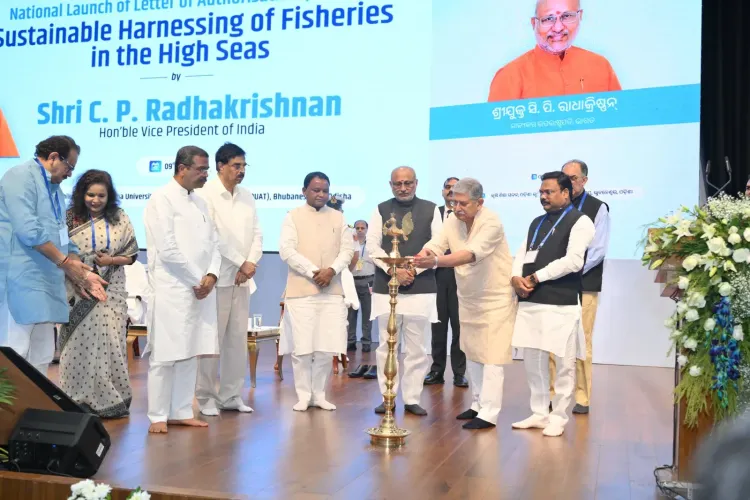
Union Panchayati Raj and Fisheries Minister Rajiv Ranjan Singh (popularly known as Lalan Singh) participated in the national launch of the Letter of Authorisation (LoA) system for 'Sustainable Harnessing of Fisheries in the High Seas' at Odisha University of Agriculture and Technology (OUAT), Bhubaneswar, on Thursday, 9 July 2026. The event was presided over by Vice President Jagdeep Dhankhar, with Odisha Chief Minister Mohan Charan Majhi and Union Education Minister Dharmendra Pradhan also in attendance.
Context
The launch marks the formal rollout of a fully transparent, online LoA mechanism that will authorise Indian entities to undertake high-seas fishing operations. Posting on X, Minister Singh described the initiative as 'ek aitihasik kadam' — 'a historic step' — towards the sustainable and responsible use of marine resources. The system prioritises vessels flying the Indian tricolour and extends preferential access to Fisher Producer Organisations (FPOs), fisheries cooperatives, and Indian entrepreneurs.
OUAT, established in 1962, is Odisha's premier institution for agricultural and fisheries research, making it a symbolically apt venue for a national policy launch that directly concerns the state's large coastal fishing communities.
Policy Backdrop
The LoA framework builds on the Pradhan Mantri Matsya Sampada Yojana (PMMSY), launched in May 2020, which set a target of raising fish production to 22 million tonnes by 2024-25 and sought to formalise the sector under what the government calls Blue Revolution 2.0. India's National Policy on Marine Fisheries 2017 and the subsequent Blue Economy framework had already emphasised sustainable utilisation of resources beyond territorial waters.
The online LoA system is the operational instrument that translates those policy commitments into a regulated, accountable pathway for Indian entities seeking access to international fishing grounds. It also aligns India's domestic framework with its obligations under the United Nations Convention on the Law of the Sea (UNCLOS) and positions the country ahead of emerging international negotiations on biodiversity beyond national jurisdiction (BBNJ).
Stakeholders and Impact
The most direct beneficiaries are organised fishing bodies — FPOs, fisheries cooperatives, and private Indian entrepreneurs — who have historically lacked a clear, transparent route to authorisation for high-seas operations. By digitising and standardising the LoA process, the government aims to reduce discretionary barriers and open a new economic frontier for India's fishing sector.
Coastal communities in states such as Odisha, Andhra Pradesh, Tamil Nadu, Kerala, and Gujarat stand to gain from expanded access to high-seas resources, provided downstream support — vessels, cold chains, and processing capacity — scales in parallel. Minister Singh underlined the government's resolve to 'strengthen the Blue Economy and ensure the prosperity of the fishing community' as part of the Viksit Bharat 2047 vision.
What's Next
Attention will now shift to the operational guidelines governing the new portal, including eligibility criteria, the application and fee structure, and the timeline for issuing the first batch of LoAs to Indian entities. Parliamentary scrutiny — through questions and committee reviews — and any dedicated budget allocations in the Fisheries Ministry's annual statement will signal how quickly the framework moves from launch to implementation. The government's ability to equip FPOs and cooperatives with the vessel capacity and technical know-how needed for high-seas operations will be the longer-term test of the initiative's impact on fisherfolk incomes and India's share of international marine catch.
Point of View
Giving organised entities a formal, transparent pathway that did not previously exist. By anchoring the event at a state agricultural university with the Vice President in the chair, the Centre also signals a deliberate effort to draw Odisha — a major fishing state now governed by a BJP-JD(U) aligned administration — into the Blue Economy narrative ahead of coastal elections. The emphasis on FPOs and cooperatives over large private conglomerates reflects a political calculation as much as a policy one: it frames the initiative as pro-small-fisher rather than pro-corporate. The real measure of success will be whether the operational guidelines, vessel support, and cold-chain infrastructure follow at the pace needed to convert the LoA into actual catch and income for coastal communities.
NationPress
9 Jul 2026
Frequently Asked Questions
What is the Letter of Authorisation (LoA) for high-seas fishing in India?
The LoA is a government-issued authorisation that permits Indian entities — including FPOs, fisheries cooperatives, and private entrepreneurs — to conduct fishing operations in international waters beyond India's exclusive economic zone. The new system launched on 9 July 2026 makes the application and issuance process fully online and transparent.
What is PMMSY and how is it related to this launch?
The Pradhan Mantri Matsya Sampada Yojana (PMMSY) is a central government scheme launched in May 2020 to modernise India's fisheries sector, raise fish production to 22 million tonnes by 2024-25, and formalise the industry. The high-seas LoA system is an operational extension of PMMSY's Blue Economy goals.
Who attended the LoA launch at OUAT Bhubaneswar?
The event was attended by Vice President Jagdeep Dhankhar, who presided over the ceremony, along with Odisha Chief Minister Mohan Charan Majhi, Union Education Minister Dharmendra Pradhan, and Union Fisheries Minister Rajiv Ranjan Singh (Lalan Singh).
Which entities get priority under the new high-seas fishing LoA system?
The system prioritises vessels flying the Indian tricolour, followed by Fisher Producer Organisations (FPOs), fisheries cooperatives, and Indian entrepreneurs, with the stated aim of ensuring the benefits of high-seas fishing accrue to organised domestic stakeholders.
What is India's Blue Economy vision and how does high-seas fishing fit in?
India's Blue Economy framework seeks to sustainably harness ocean resources — including fisheries, ports, shipping, and marine tourism — for economic growth. High-seas fishing is a key frontier within this framework, and the LoA system is designed to give Indian entities regulated access to international fishing grounds as part of the Viksit Bharat 2047 development agenda.