CM Joseph Vijay Chairs Industry Review Meet at Secretariat
Synopsis
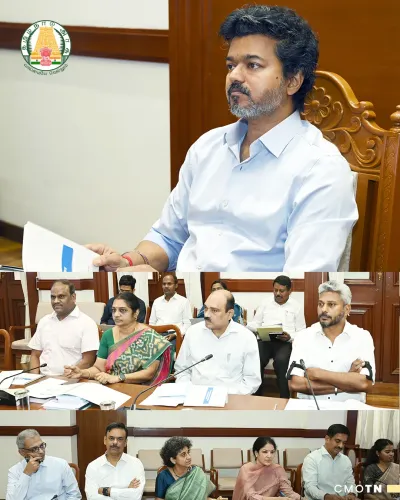
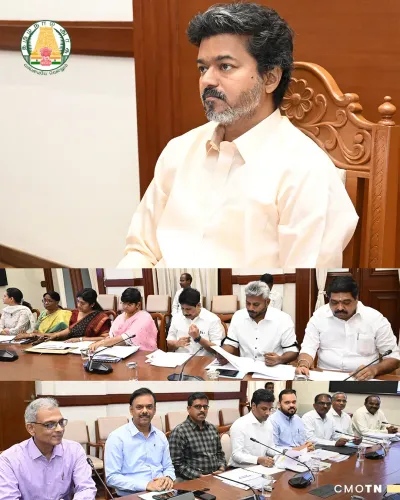
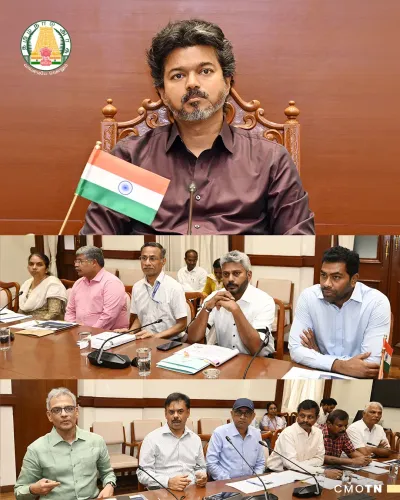
Chief Minister S. Joseph Vijay on 9 July 2026 chaired a review meeting at the Tamil Nadu Secretariat focused on the Industries, Investment Promotion and Commerce Department's plans and operations, signalling continued executive attention to the state's investment climate.
Key Takeaways
Joseph Vijay chaired a review meeting on 9 July 2026 at the Tamil Nadu Secretariat.
The meeting reviewed the plans and operations of the Industries, Investment Promotion and Commerce Department .
Tamil Nadu's 2021 Industrial Policy targets Rs 10 lakh crore in investments over five years.
SIPCOT is the state's primary vehicle for developing industrial parks and facilitating large-scale investments.
Tamil Nadu competes with Maharashtra, Gujarat and Karnataka for FDI in manufacturing.
Outcomes from the review may inform upcoming budget decisions and the state's next Global Investors Meet .
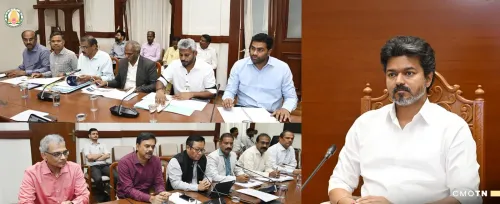
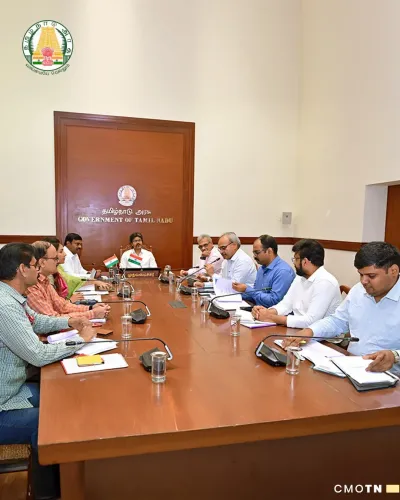
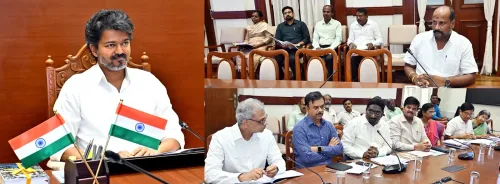
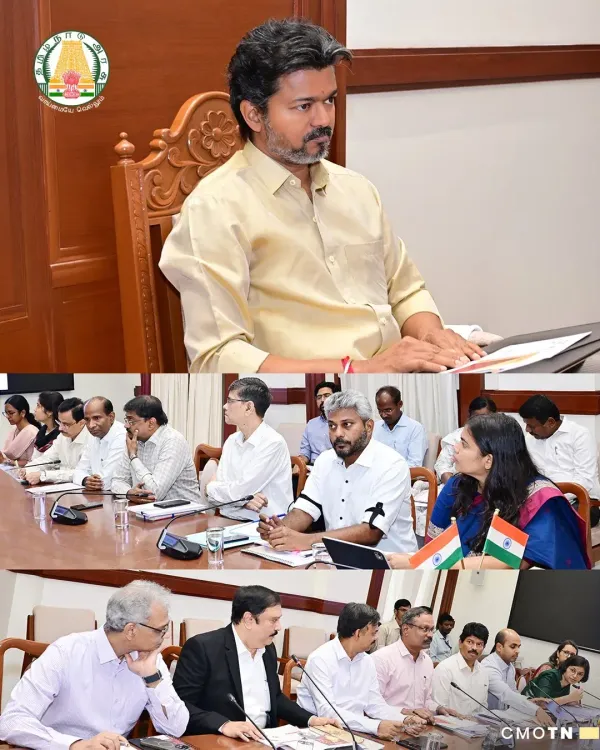
The Chief Minister's Office of Tamil Nadu announced on Thursday, 9 July 2026, that Chief Minister S. Joseph Vijay chaired a review meeting at the Tamil Nadu Secretariat in Chennai to assess the plans and operations of the state's Industries, Investment Promotion and Commerce Department.
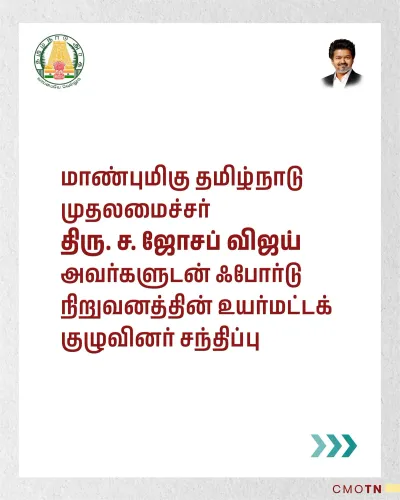
The official post, shared in Tamil, stated: 'மாண்புமிகு தமிழ்நாடு முதலமைச்சர் திரு.ச.ஜோசப் விஜய் அவர்கள் தலைமையில் இன்று (9.7.2026) தலைமைச் செயலகத்தில், தொழில், முதலீட்டு ஊக்குவிப்பு மற்றும் வர்த்தகத் துறையின் திட்டங்கள் மற்றும் செயல்பாடுகள் குறித்த ஆய்வுக் கூட்டம் நடைபெற்றது.' — ('Under the chairmanship of the Honourable Chief Minister of Tamil Nadu, Mr. S. Joseph Vijay, a review meeting on the plans and activities of the Industries, Investment Promotion and Commerce Department was held today at the Secretariat.')
Context
The Industries, Investment Promotion and Commerce Department is the nodal body responsible for channelling foreign and domestic investment into Tamil Nadu, coordinating with state-owned facilitators such as SIPCOT (State Industries Promotion Corporation of Tamil Nadu), and overseeing sector-specific incentive schemes. Review meetings of this nature allow the Chief Minister's office to directly monitor implementation timelines, resolve inter-departmental bottlenecks, and signal policy priorities to investors and industry bodies.
Tamil Nadu is one of India's leading industrial states, with a diversified manufacturing base spanning automobiles, electronics, textiles and information technology. The state competes actively with Maharashtra, Gujarat and Karnataka for foreign direct investment and domestic manufacturing expansions.
Policy Backdrop
Tamil Nadu unveiled a comprehensive Industrial Policy in 2021, setting an ambitious target of attracting Rs 10 lakh crore in investments over a five-year period. The policy outlined sector-specific incentives, land allocation through SIPCOT industrial parks, and streamlined single-window clearances to reduce approval timelines for incoming investors.
State governments across India routinely hold such departmental review meetings to track investment pipelines and measure progress against policy commitments. These sessions also serve as an internal accountability mechanism, with department heads presenting progress reports directly to the Chief Minister.
Stakeholders and Impact
The primary stakeholders of the Industries Department's work include domestic and foreign investors, manufacturing units, small and medium enterprises (SMEs), and industrial workers across the state. Decisions emerging from such reviews can influence land allocation timelines, subsidy disbursements, and clearance speeds — all of which directly affect investor sentiment and employment generation.
SIPCOT, which develops and manages industrial parks across Tamil Nadu, plays a central role in translating investment commitments into operational facilities. Any policy directions issued following this review would likely be implemented through SIPCOT's project pipeline.
What's Next
Observers will watch for any announcements stemming from the review — including updates to incentive structures, new industrial park allocations, or accelerated clearances for pending investment proposals. The state's next Global Investors Meet and the upcoming budget session are key events where policy shifts signalled in such reviews are typically formalised and made public.
Point of View
Which has historically positioned itself as India's manufacturing gateway, sustaining momentum on the Rs 10 lakh crore investment target requires exactly this kind of hands-on oversight. The meeting also reflects a broader pattern among Indian states of using high-visibility review sessions to compress implementation timelines ahead of investor meets and budget cycles. Whether concrete policy directions or investment announcements follow will determine how substantive this review proves to be.
NationPress
8 Oct 2026
Frequently Asked Questions
What was the review meeting chaired by CM Joseph Vijay about?
The meeting, held on 9 July 2026 at the Tamil Nadu Secretariat, reviewed the plans and operations of the state's Industries, Investment Promotion and Commerce Department.
Who is S. Joseph Vijay in Tamil Nadu politics?
S. Joseph Vijay is the Chief Minister of Tamil Nadu, as identified in the official post from the Chief Minister's Office dated 9 July 2026.
What is Tamil Nadu's industrial investment target?
Tamil Nadu's 2021 Industrial Policy set a target of attracting Rs 10 lakh crore in investments over a five-year period.
What is SIPCOT and what role does it play in Tamil Nadu?
SIPCOT, the State Industries Promotion Corporation of Tamil Nadu, is a state-owned body that develops industrial parks and facilitates large-scale manufacturing investments across the state.
Which states does Tamil Nadu compete with for industrial investment?
Tamil Nadu competes primarily with Maharashtra, Gujarat and Karnataka for foreign direct investment and domestic manufacturing projects.