CM Vijay Chairs Transport Dept Review Meet in Chennai
Synopsis
Chief Minister S. Joseph Vijay chaired a high-level review of Tamil Nadu's Transport Department at the Secretariat on 17 June 2026, examining current operations and planned schemes. The meeting signals a fresh administrative push on public transport and road infrastructure priorities.
Key Takeaways
Joseph Vijay chaired a Transport Department review meeting at the Tamil Nadu Secretariat on 17 June 2026 .
The meeting covered both existing Transport Department operations and schemes slated for implementation.
Such Secretariat-level reviews are a standard mechanism in Tamil Nadu to track physical and financial progress of transport schemes.
Key stakeholders include crores of public transport users and state transport corporation employees across Tamil Nadu.
Possible follow-up announcements may include bus procurement tenders, metro rail updates, or new road corridor projects.
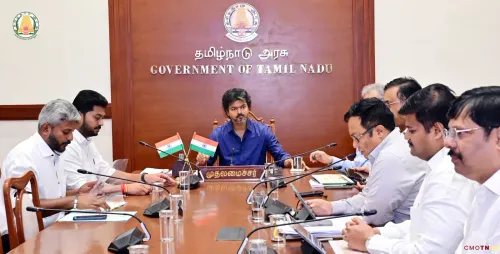
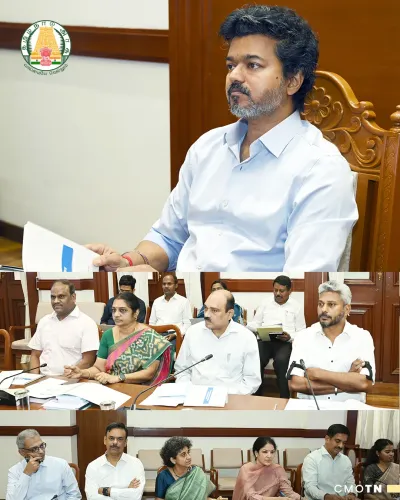
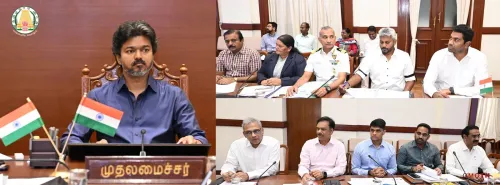
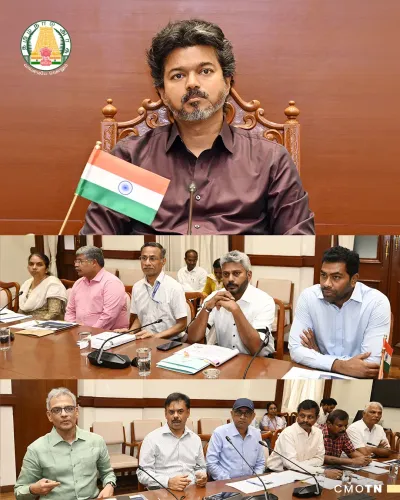
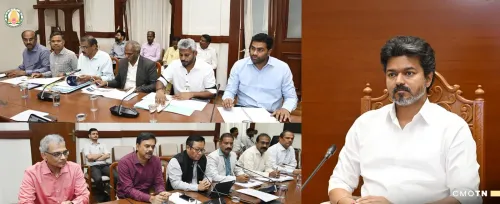
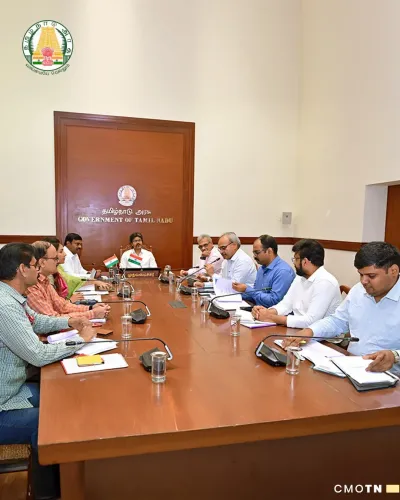
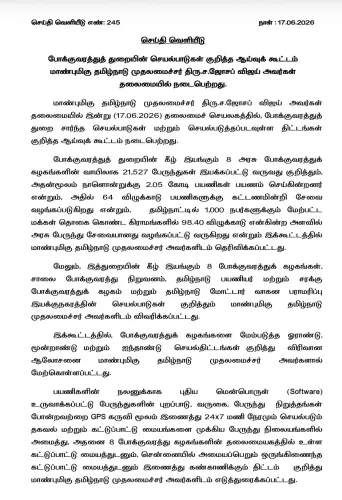
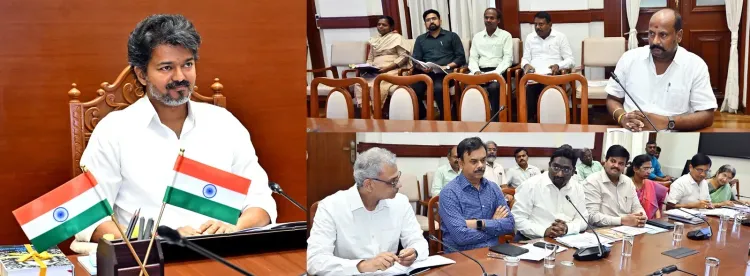
The Chief Minister's Office of Tamil Nadu announced on Wednesday, 17 June 2026 that Chief Minister S. Joseph Vijay chaired a high-level review meeting at the Secretariat in Chennai, focusing on the ongoing operations and upcoming schemes of the state's Transport Department.
The official post, shared in Tamil, stated: 'மாண்புமிகு தமிழ்நாடு முதலமைச்சர் திரு.ச.ஜோசப் விஜய் அவர்கள் தலைமையில் இன்று (17.6.2026) தலைமைச் செயலகத்தில், போக்குவரத்துத் துறை சார்ந்த செயல்பாடுகள் மற்றும் செயல்படுத்தப்படவுள்ள திட்டங்கள் குறித்த ஆய்வுக் கூட்டம் நடைபெற்றது.' — meaning, 'Under the chairmanship of the Honourable Chief Minister of Tamil Nadu, Mr S. Joseph Vijay, a review meeting on Transport Department activities and schemes to be implemented was held today (17.6.2026) at the Secretariat.'
Context
The Tamil Nadu Transport Department oversees the state's extensive public bus network, road transport regulation, vehicle licensing, and infrastructure development. The department serves millions of daily commuters across urban and rural Tamil Nadu through its state transport corporations. Review meetings of this nature are a standard administrative mechanism used by successive Chief Ministers to monitor scheme implementation and financial progress.
Policy Backdrop
Tamil Nadu has a long-standing tradition of periodic high-level reviews of its transport sector, dating back to at least the early 2010s, with a focus on bus fleet modernisation and highway connectivity. Successive state administrations have prioritised expanding the state-run bus fleet alongside road projects linking urban centres to rural areas. These reviews typically assess physical targets, fund utilisation, and on-ground delivery timelines for active schemes.
Stakeholders and Impact
The primary stakeholders of any Transport Department policy shift are public transport users — estimated to number in the crores across the state — and employees of the state transport corporations. Decisions emerging from such reviews can directly influence bus procurement tenders, route rationalisation, fare structures, and the pace of infrastructure projects. Road contractors and vehicle manufacturers also watch these meetings closely for signals on upcoming procurement cycles.
What's Next
Follow-up announcements in the coming weeks may include new bus procurement tenders, updates on metro rail extension plans, or dedicated road corridor proposals for key districts. The outcome of this review is expected to shape the Transport Department's implementation priorities for the remainder of the financial year. Observers will watch for formal government orders or budget reallocations that typically follow such Secretariat-level deliberations.
Point of View
Such Secretariat-level meetings often precede formal scheme launches or procurement approvals, making this a procedural step worth tracking. The meeting also reflects a broader pattern across Indian state governments of using high-visibility review exercises to demonstrate governance momentum. Whether this translates into concrete policy announcements will be the real test of the administration's transport agenda.
NationPress
16 Sept 2026
Frequently Asked Questions
What was the Transport Department review meeting held by CM Vijay about?
The meeting, chaired by Chief Minister S. Joseph Vijay at the Tamil Nadu Secretariat on 17 June 2026, reviewed the ongoing activities of the Transport Department and discussed schemes planned for future implementation.
Where was the Tamil Nadu Transport Department review meeting held?
The review meeting was held at the Chief Secretariat (Thalaimai Cheyalagam) in Chennai on 17 June 2026.
Who is S. Joseph Vijay?
S. Joseph Vijay is the Chief Minister of Tamil Nadu, a position he holds after transitioning from a career as a prominent Tamil film actor to electoral politics.
What does the Tamil Nadu Transport Department do?
The Tamil Nadu Transport Department oversees public bus services run by state transport corporations, road transport regulation, vehicle licensing, and infrastructure development across the state.
What announcements can be expected after this transport review meeting?
Possible follow-up announcements include new bus procurement tenders, updates on metro rail extension plans, or dedicated road corridor projects, typically issued as formal government orders in the weeks following such reviews.