CM Rio Pushes Coffee, Agarwood Growth With DoNER Aid
Synopsis
Nagaland Chief Minister Neiphiu Rio has publicly backed expanding coffee cultivation under the DoNER-supported 'Taste of Eminence' brand and called for central support to develop the agarwood value chain, framing agriculture and allied sectors as the cornerstone of the state's rural economy.
Key Takeaways
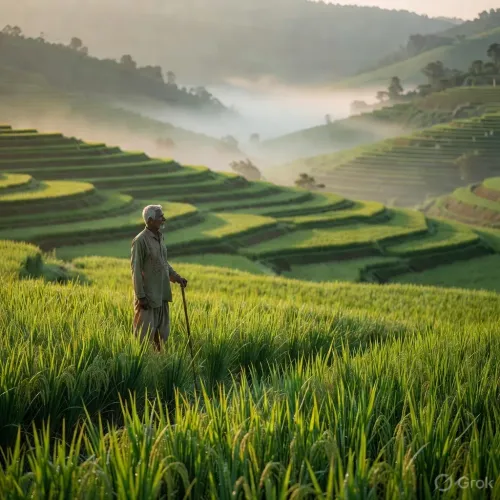
CM Neiphiu Rio described agriculture and allied sectors as the backbone of Nagaland's rural economy in a post dated June 12, 2026 .
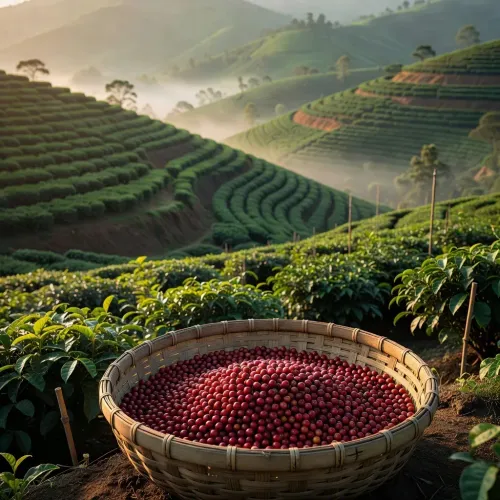
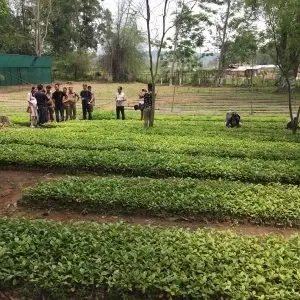
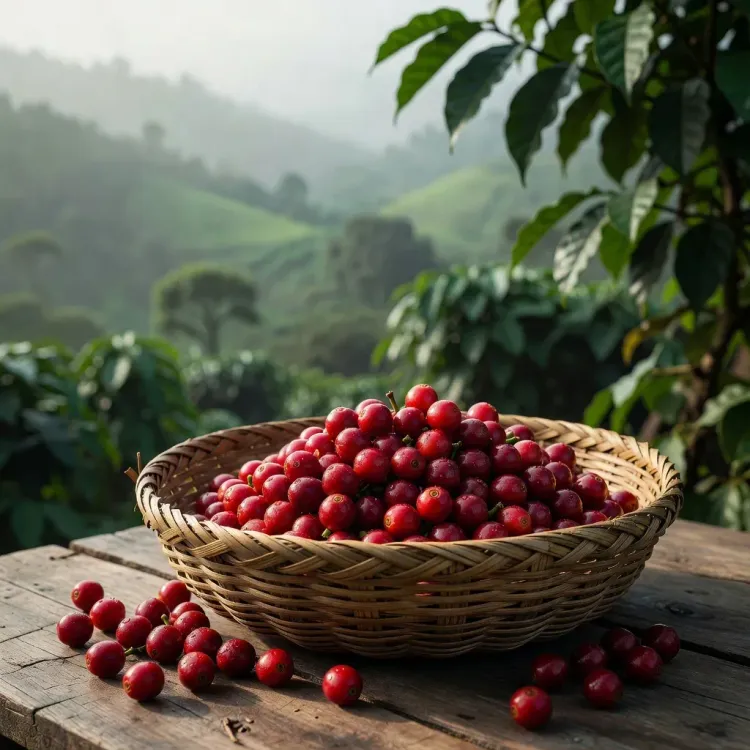
Coffee has emerged as a flagship crop under the 'Taste of Eminence' brand, developed with support from DoNER .
The state aims to expand coffee cultivation beyond its current scale.
CM Rio has also sought central support for developing the agarwood value chain in Nagaland .
Both crops — coffee and agarwood — are positioned as high-value alternatives to subsistence farming for rural households.
Formal funding commitments from DoNER for these initiatives are yet to be announced.
Nagaland Chief Minister Neiphiu Rio on Friday, June 12, 2026, called agriculture and allied sectors the backbone of the state's rural economy, highlighting the emergence of coffee as a flagship crop under the 'Taste of Eminence' brand and signalling intent to expand both coffee cultivation and agarwood value-chain development with central government support.
Context
CM Rio made the remarks in a post on X, crediting the Ministry of Development of North Eastern Region (DoNER) for backing the 'Taste of Eminence' branding initiative that has positioned Nagaland coffee as a premium product. He stated that the state aims to expand cultivation and is also seeking support for the agarwood value chain. The post signals that Nagaland is looking to deepen its engagement with central ministries to move beyond subsistence farming toward high-value commercial crops.
Policy Backdrop
DoNER has coordinated agricultural diversification programmes across India's eight North Eastern states since the early 2000s, using central grants to link tribal and hill economies with national and export markets. Coffee and agarwood initiatives in Nagaland are part of this broader pattern of promoting cash crops to raise rural incomes. The 'Taste of Eminence' brand represents one of the more visible outcomes of this central-state partnership, giving Nagaland coffee a distinct market identity.
Agarwood — a high-value resinous heartwood prized in perfumery and traditional medicine — has long been identified as a commercially promising product in North East India, given the region's natural forest resources. A structured value chain covering cultivation, processing and marketing could significantly raise returns for rural households in the state. CM Rio's public call for support underlines that formal funding and institutional backing for this sector are still being sought, not yet secured.
Stakeholders and Impact
The primary beneficiaries of expanded coffee and agarwood programmes would be Nagaland's rural farming households, many of whom depend on agriculture and horticulture for their livelihoods. A scaled-up 'Taste of Eminence' programme could open export and premium domestic market channels for coffee growers, while a formalised agarwood value chain could provide an additional high-value income stream. Both crops are well suited to the state's hill terrain and agro-climatic conditions.
For DoNER, continued investment in Nagaland's agricultural branding aligns with the ministry's mandate to accelerate economic integration of the North East with the rest of India. Success in Nagaland could also serve as a replicable model for neighbouring states with similar terrain and crop potential.
What's Next
Attention will now turn to DoNER's budget allocations and project approvals for agarwood and coffee expansion, likely to be tested at the next Union Budget cycle or in state-level review meetings with the central ministry. CM Rio's public articulation of these priorities is a signal to New Delhi that Nagaland is ready to scale up if matching central support is forthcoming. How quickly formal proposals are processed and funded will determine whether the state's agricultural ambitions translate into measurable gains for rural communities.
Point of View
Making coffee expansion the lower-risk ask; the agarwood pitch is newer and more ambitious, requiring institutional infrastructure that does not yet fully exist. Together, the two asks reflect a broader state-level strategy of anchoring rural income diversification in high-value, terrain-suited crops rather than conventional staples. Whether central allocations follow will be the real test of this advocacy.
NationPress
14 Sept 2026
Frequently Asked Questions
What is the 'Taste of Eminence' brand in Nagaland?
'Taste of Eminence' is a state branding initiative that positions Nagaland coffee as a premium product, developed with support from the Ministry of Development of North Eastern Region (DoNER) to help coffee growers access national and export markets.
What is agarwood and why is it important for Nagaland?
Agarwood is a high-value resinous heartwood prized in perfumery and traditional medicine. Nagaland's forest resources make it a commercially promising crop, and CM Rio has sought central support to build a formal value chain covering cultivation, processing and marketing.
What role does DoNER play in Nagaland's agriculture?
DoNER, the Ministry of Development of North Eastern Region, coordinates infrastructure and livelihood schemes across India's eight North Eastern states, including funding agricultural diversification programmes that have backed initiatives like the 'Taste of Eminence' coffee brand in Nagaland.
What crops is Nagaland focusing on for rural income growth?
Nagaland is focusing on coffee, promoted under the 'Taste of Eminence' brand, and agarwood as high-value cash crops suited to the state's hill terrain, with the aim of raising rural household incomes beyond subsistence farming.