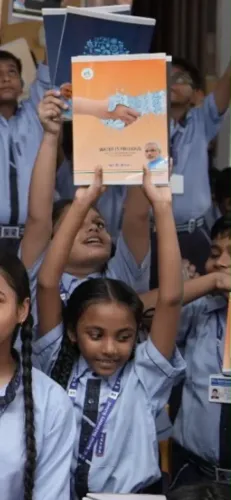
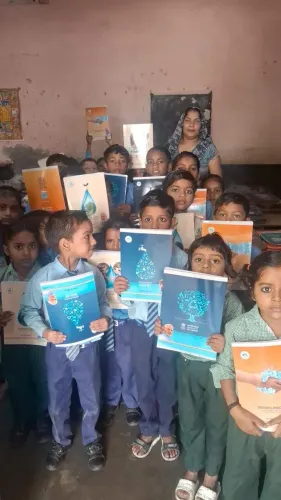
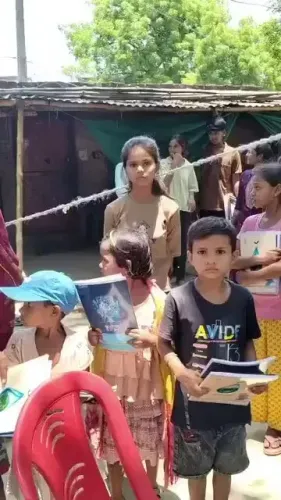
Jal Shakti Minister Paatil distributes notebooks in Prayagraj schools
Synopsis
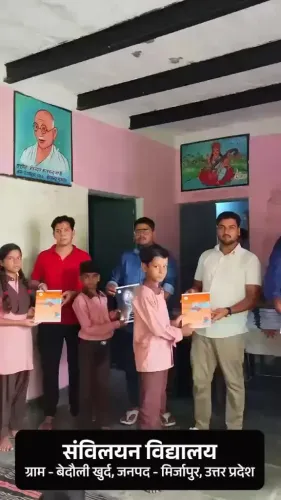
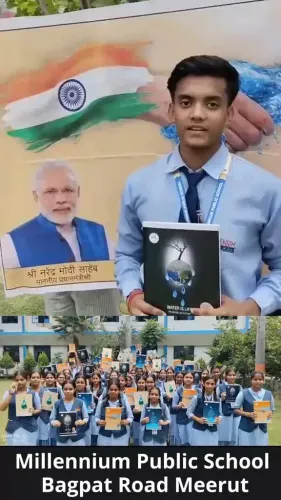
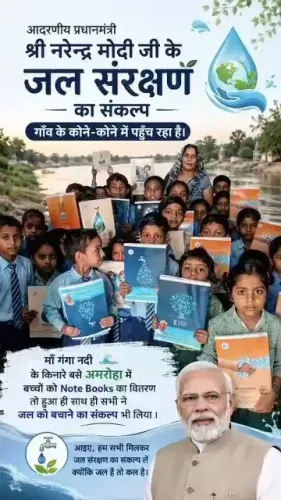
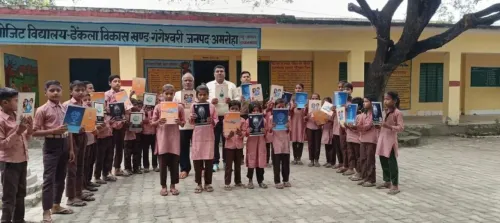
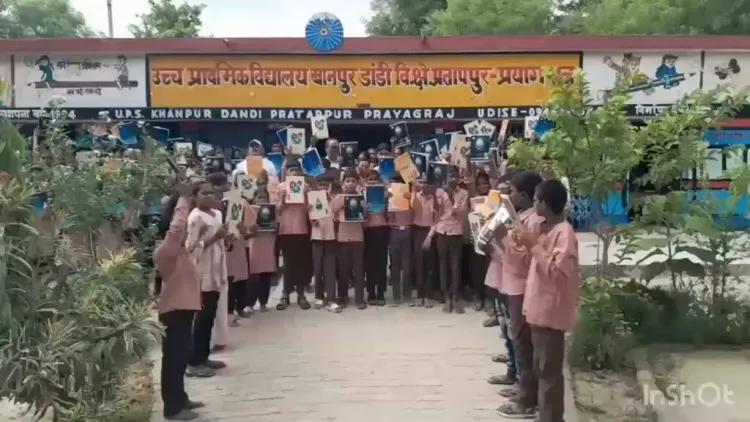
Union Jal Shakti Minister C. R. Paatil announced on 9 July 2026 that notebooks were distributed to upper primary school students in Khanpur, Dandi, and Pratappur areas of Prayagraj as part of PM Modi's village-level water conservation awareness campaign under the Jal Shakti Abhiyan.
Key Takeaways
Union Jal Shakti Minister C.
Paatil posted on 9 July 2026 about a water conservation awareness drive in Prayagraj, Uttar Pradesh .
Notebooks were distributed to students at upper primary schools in Khanpur, Dandi, and Pratappur localities.
The initiative is part of the Jal Shakti Abhiyan , a nationwide campaign launched in 2019 covering 1,592 blocks across India.
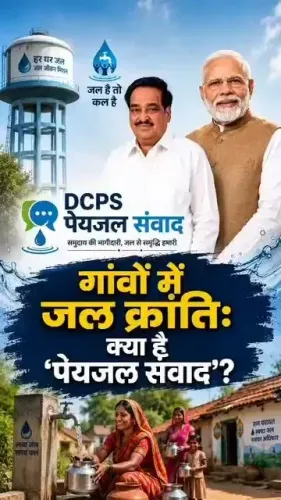
The drive runs alongside the Jal Jeevan Mission , which mandates community-level water conservation awareness alongside tap-connection infrastructure.
The ministry links school-based material distribution with public pledges to build long-term conservation behaviour in rural communities.
Expansion of such drives to additional blocks is anticipated, with parliamentary scrutiny of Jal Shakti Abhiyan coverage expected in the monsoon session.
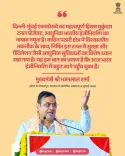
Union Jal Shakti Minister C. R. Paatil on Thursday, 9 July 2026, shared that water conservation awareness drives are being conducted village by village under the leadership of Prime Minister Narendra Modi, with students at upper primary schools in Khanpur, Dandi, and Pratappur areas of Prayagraj, Uttar Pradesh, receiving notebooks as part of the outreach.
Context
Paatil posted on X in Hindi, stating: 'gaon-gaon mein jagrukta abhiyan chalaya ja raha hai' ('awareness campaigns are being run village by village') for water conservation. He noted that notebooks were distributed to students of upper primary schools in the Prayagraj localities and that the children responded with chants of 'Thank You Modi ji' and 'Vande Mataram'.
The event reflects the Ministry of Jal Shakti's strategy of embedding conservation messaging within school-based activities, using educational material distribution as a vehicle for community engagement in rural and semi-urban areas.
Policy Backdrop
The outreach is part of the broader Jal Shakti Abhiyan, a nationwide water conservation campaign launched in 2019 that initially covered 1,592 blocks across multiple states. The campaign has since been expanded and runs in parallel with the Jal Jeevan Mission, which was also launched in 2019 with the aim of delivering functional household tap connections to every rural home while mandating community-level water conservation awareness.
Uttar Pradesh, one of India's most water-stressed states, has been a key focus area for both programmes. Linking notebook distribution and school pledges to conservation messaging is part of a deliberate effort to build long-term behavioural change from an early age.
Stakeholders and Impact
The immediate beneficiaries of the Prayagraj event are students at upper primary schools in the Khanpur, Dandi, and Pratappur localities. Beyond the material benefit of notebooks, the ministry frames the exercise as cultivating water stewardship among younger generations who can carry the message into their households and communities.
Rural communities in water-stressed districts stand to benefit if school-based awareness translates into conservation practices at the household level — a linkage the central government has consistently emphasised in its communications around both the Jal Shakti Abhiyan and the Jal Jeevan Mission.
What's Next
The ministry's stated direction points toward expanding similar material distribution drives to additional blocks across states. During the upcoming monsoon parliamentary session, questions on Jal Shakti Abhiyan coverage and expenditure are likely to arise, which could provide a more detailed picture of how many schools and villages have been covered under such outreach rounds.
If the Prayagraj model — combining educational material distribution with public conservation pledges — proves replicable, the ministry may scale it to other water-stressed districts in Uttar Pradesh and beyond ahead of the next phase of the campaign.
Point of View
Educational material — with conservation messaging, effectively using schools as the last-mile channel for behavioural change campaigns. For the Jal Shakti Ministry, such events serve a dual purpose: advancing the Jal Shakti Abhiyan's outreach metrics while generating visible, shareable proof of grassroots engagement ahead of a likely parliamentary review. The framing around PM Modi — children chanting 'Thank You Modi ji' — also signals the political communication value these drives carry for the ruling party. Whether the approach translates into measurable conservation outcomes in water-stressed Uttar Pradesh districts remains the harder question that programme evaluations will eventually need to answer.
NationPress
9 Jul 2026
Frequently Asked Questions
What is the Jal Shakti Abhiyan?
The Jal Shakti Abhiyan is a nationwide water conservation campaign launched by the central government in 2019, initially covering 1,592 blocks across India, aimed at driving community-level awareness and action on water conservation.
Why were notebooks distributed to school students in Prayagraj?
The notebook distribution in Khanpur, Dandi, and Pratappur areas of Prayagraj was part of a village-level water conservation awareness drive under the Jal Shakti Abhiyan, using educational material to engage students and communities in conservation messaging.
What is the Jal Jeevan Mission and how is it related?
The Jal Jeevan Mission, also launched in 2019, aims to deliver functional household tap connections to every rural home and mandates community-level water conservation awareness, running in parallel with the Jal Shakti Abhiyan.
Who is C. R. Paatil?
C. R. Paatil is the Union Minister of Jal Shakti in the Government of India, a senior BJP leader and former BJP Gujarat state president, overseeing water resources policy and awareness programmes.
What can we expect next from the Jal Shakti Abhiyan outreach?
The ministry is expected to expand similar material distribution drives to additional blocks, and parliamentary questions on Jal Shakti Abhiyan coverage are likely during the monsoon session, which could reveal the full scale of such outreach.