CM Dhami: Over 70,000 Benefited via Janseva Camps Since July 4
Synopsis
Uttarakhand CM Pushkar Singh Dhami announced that Janseva camps running statewide since 4 July 2026 have benefited over 70,000 citizens through government schemes, aiming to eliminate unnecessary visits to government offices for eligible residents.
Key Takeaways
More than 70,000 citizens in Uttarakhand have received government scheme benefits through Janseva Shivirs since 4 July 2026 .
The camps are operational across the entire state , targeting every eligible resident.
CM Pushkar Singh Dhami stated the government's clear goal is that no citizen should make unnecessary trips to government offices.
The initiative is part of a post- 2022 election administrative reform push focused on doorstep service delivery in Uttarakhand .
The hilly terrain of Uttarakhand makes such outreach camps especially significant for remote communities.
Whether these camps will be institutionalised as permanent block-level centres remains a key policy question going forward.
Uttarakhand Chief Minister Pushkar Singh Dhami announced on Saturday, 11 July 2026 that more than 70,000 citizens across the state have received benefits under various government schemes and services through Janseva Shivirs (public service camps) operating since 4 July 2026.
Context
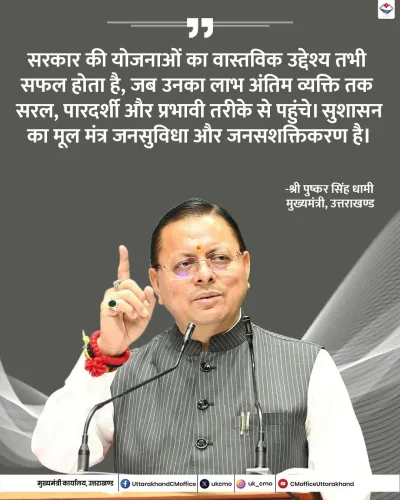
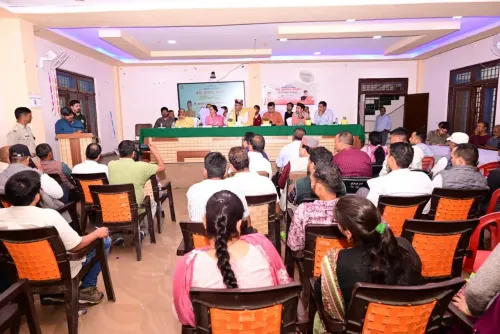
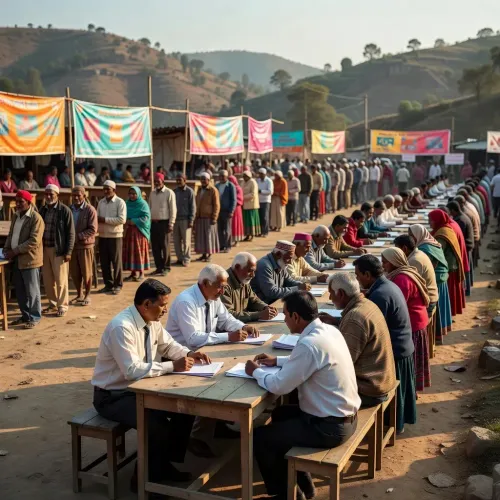
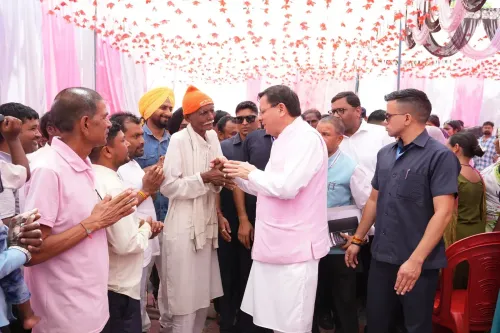
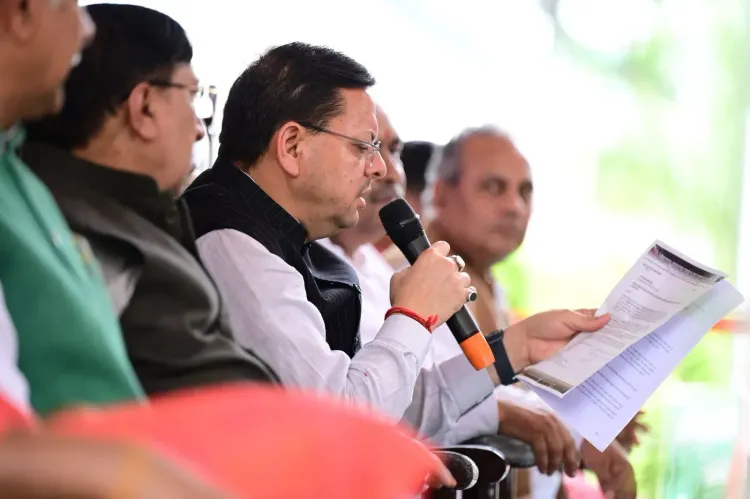
In a post on X, CM Dhami stated that the camps are being run across the entire state with a clear aim: ensuring that every eligible person receives the benefit of government schemes and that no citizen is forced to make unnecessary trips to government offices to resolve their problems. Translated from Hindi, he wrote: '04 जुलाई से पूरे प्रदेश में संचालित जनसेवा शिविरों के माध्यम से अब तक 70 हजार से अधिक नागरिकों को विभिन्न सरकारी सेवाओं एवं योजनाओं का लाभ मिल चुका है' ('Through the Janseva camps running across the entire state since 4 July, more than 70,000 citizens have so far received the benefit of various government services and schemes.')
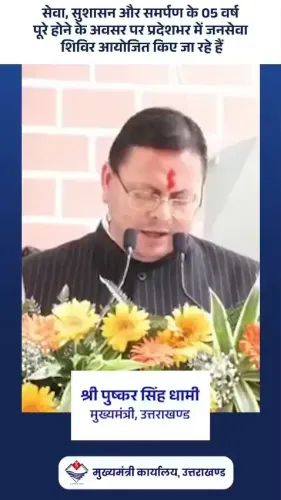
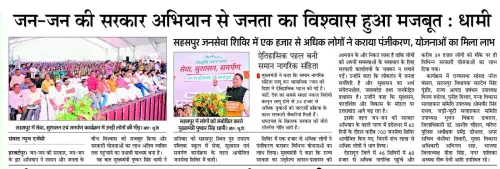
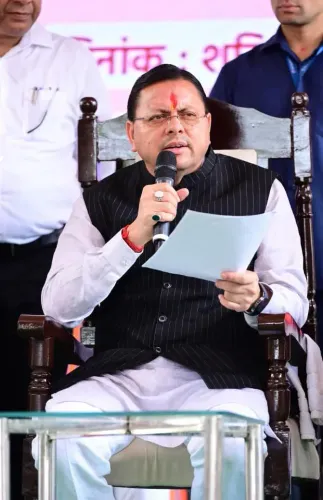
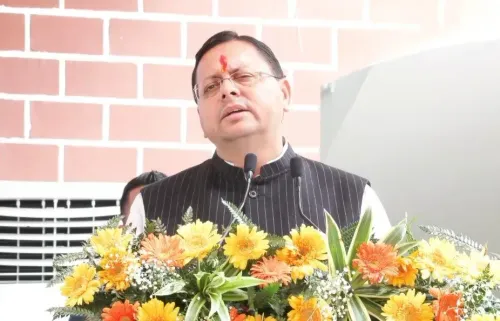
The post was accompanied by four images, indicating on-ground activity at these camps.
Policy Backdrop
The Janseva Shivir model is part of a broader administrative reform push that Uttarakhand's government has pursued since the 2022 state assembly elections, when doorstep delivery of services was flagged as a priority. Uttarakhand's largely hilly and rural geography makes physical access to district and block-level government offices a genuine challenge for a significant portion of its population.
Across India, state governments have periodically organised multi-day outreach camps to process documents — including caste certificates, pension enrolments, and Aadhaar-linked scheme registrations — at the local level. This approach gained wider visibility following the national rollout of Digital India and Aadhaar-linked service delivery from 2015 onwards.
Stakeholders and Impact
The primary beneficiaries are Uttarakhand's rural and semi-urban citizens, particularly those in remote hill districts where travel to a government office can mean hours of difficult terrain. Scheme categories covered under such camps typically include pensions, land records, health scheme enrolments, and income or domicile certificates, though the post does not specify the exact services disbursed in this round.
For the state administration, the camps serve a dual purpose: accelerating last-mile delivery of welfare schemes and reducing the backlog of pending applications at district offices. CM Dhami's government has framed this as a citizen-centric governance model where the state reaches the people rather than the reverse.
What's Next
The key question for observers and beneficiaries alike is whether these camps will transition into permanent, block-level facilitation centres with dedicated staff and infrastructure, or remain periodic outreach exercises. Any future Uttarakhand state budget allocation earmarked for institutionalising this delivery model would signal the government's long-term commitment to the programme. As the camps continue to run, the cumulative beneficiary count will be a metric the administration is likely to highlight in the lead-up to future electoral cycles.
Point of View
Publicising a figure of over 70,000 beneficiaries within just one week of launch serves both a governance and a communications purpose, reinforcing the BJP's 'last-mile delivery' narrative in a state with difficult terrain. The deeper test will be whether the model survives beyond the camp phase and gets embedded in permanent local infrastructure — a transition that most similar state-level programmes have historically struggled to make. Analysts will watch whether a budget line or a dedicated policy framework follows this initial rollout.
NationPress
10 Oct 2026
Frequently Asked Questions
What are Janseva Shivirs in Uttarakhand?
Janseva Shivirs are government-organised outreach camps held across Uttarakhand to deliver scheme benefits, certificates, and welfare services directly to citizens at the local level, reducing the need to visit district offices.
How many people have benefited from Uttarakhand's Janseva camps in July 2026?
According to CM Pushkar Singh Dhami, more than 70,000 citizens have received benefits through the camps since they began on 4 July 2026.
Why are doorstep service camps important in Uttarakhand?
Uttarakhand's hilly and rural geography makes travel to government offices difficult and time-consuming for many residents, making local outreach camps a practical tool for last-mile service delivery.
What services are provided at Janseva Shivirs?
Such camps typically cover services like pension enrolments, income and domicile certificates, land records, and health scheme registrations, though the exact services in this round were not specified in CM Dhami's post.
Will Uttarakhand's Janseva camps become permanent?
That has not been confirmed. Observers are watching whether the state government allocates budget to convert these camps into permanent block-level facilitation centres.