CM Dhami Holds Jan Samvad, Seeks Welfare Scheme Feedback
Synopsis
Uttarakhand CM Pushkar Singh Dhami on June 14, 2026, held a public outreach session with local residents to assess welfare scheme delivery, saying citizen satisfaction is the government's greatest achievement and expressing gratitude for public support.
Key Takeaways
CM Pushkar Singh Dhami engaged directly with residents on June 14, 2026 to collect feedback on state welfare schemes.
He stated that benefits of the government's schemes are 'effectively reaching the last person' and bringing positive change to ordinary lives.
The Chief Minister described public trust and satisfaction as the 'greatest achievement' of the government.
The outreach aligns with the BJP -governed state's emphasis on last-mile delivery since the 2022 assembly elections .
The exercise is seen as significant ahead of the 2027 Uttarakhand assembly elections , when welfare delivery is expected to be a key issue.
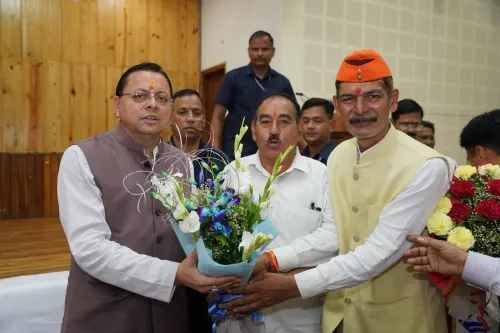
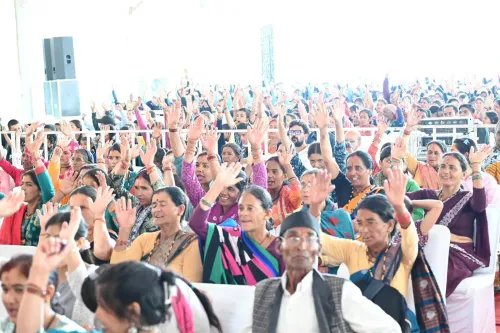
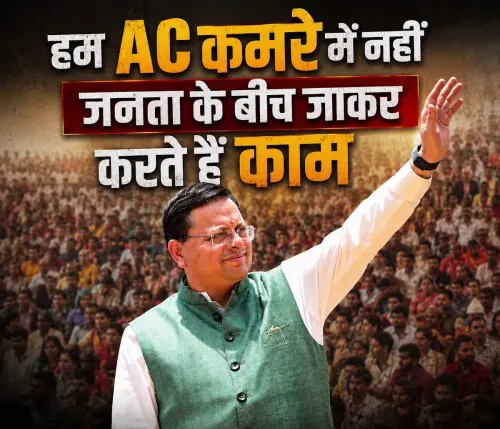
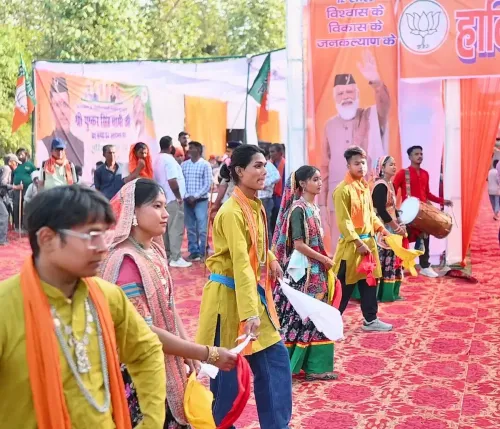
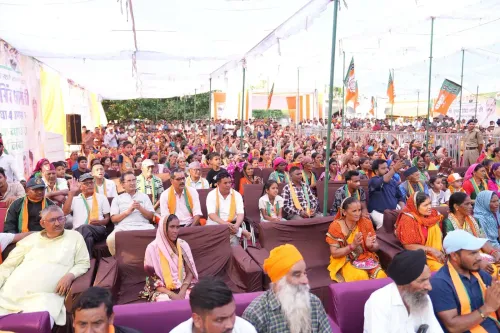
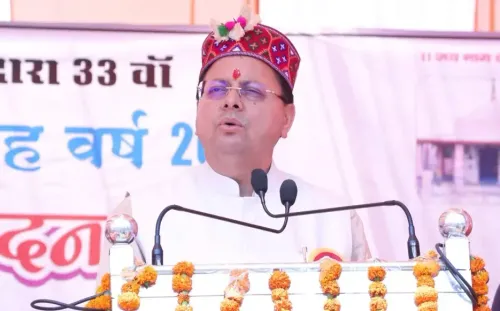
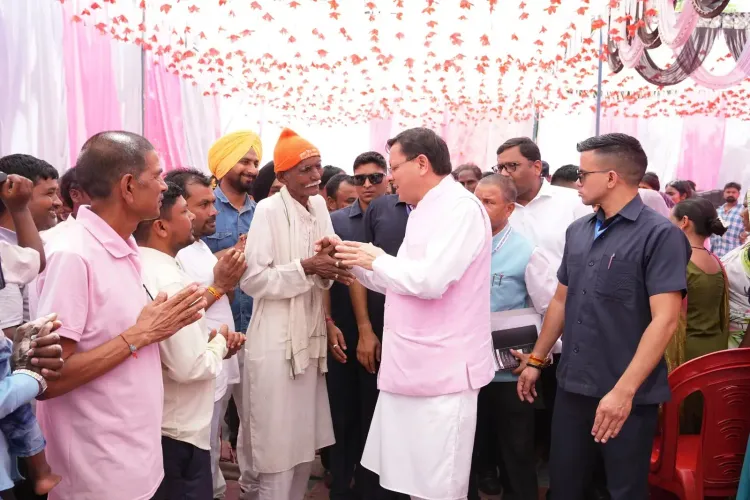
Uttarakhand Chief Minister Pushkar Singh Dhami on Sunday, June 14, 2026, engaged directly with residents of a constituency during a public outreach programme, gathering first-hand feedback on the state government's welfare schemes and expressing satisfaction that benefits are reaching the last person in the delivery chain.
What the Chief Minister Said
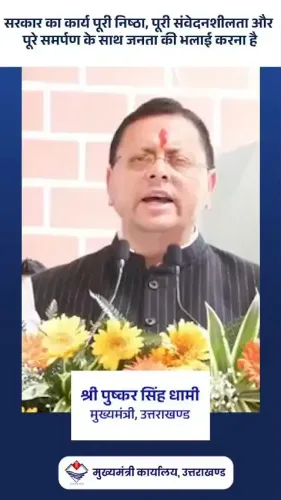
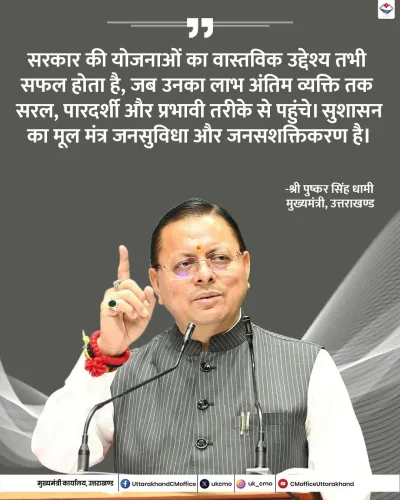
Posting on X, CM Dhami wrote that he interacted with local residents on the occasion and collected their feedback on various public welfare schemes being run by the state government. Translated from Hindi, he stated: 'Yah jankar khushi hui ki sarkar ki yojanaon ka labh prabhavi roop se antim vyakti tak pahunch raha hai' ('It was heartening to learn that the benefits of the government's schemes are effectively reaching the last person, and positive changes are being seen in the lives of ordinary people').
He added that 'the trust and satisfaction of the public is the government's greatest achievement,' and expressed 'heartfelt gratitude for the immense affection, love, and support received from the god-like public.'
Context
Uttarakhand, a BJP-governed Himalayan state, has since the 2022 assembly elections focused on aligning state-level welfare delivery with central government initiatives. CM Dhami, who has led the state since 2021, has made last-mile delivery of welfare benefits a stated governance priority.
Direct public outreach of this kind — commonly described as jan samvad (public dialogue) — has been a recurring feature of BJP-led state administrations, designed to assess ground-level implementation of schemes and gather beneficiary feedback outside formal bureaucratic channels.
Policy Backdrop
The Dhami government has pursued rollout of welfare schemes spanning housing, health, agriculture, and women's empowerment as part of manifesto commitments made ahead of the 2022 polls. The emphasis on 'antodaya' — reaching the poorest and most marginalised — has been a consistent rhetorical and policy anchor for BJP-governed states since 2014.
Such field interactions also serve an administrative function: identifying gaps in scheme penetration at the block and panchayat level before they surface as electoral grievances. The feedback gathered in such outreach rounds is typically fed into state-level scheme review meetings.
Stakeholders and Impact
The primary stakeholders in this exercise are Uttarakhand's rural and semi-urban residents — particularly those enrolled in state and centrally sponsored welfare schemes. For beneficiaries, direct access to the Chief Minister during such visits provides a channel to flag implementation gaps that may not reach district administration.
For the Dhami government, the public expression of citizen satisfaction reinforces its governance narrative ahead of the 2027 Uttarakhand assembly elections, when welfare delivery and last-mile reach are expected to be central campaign themes.
What's Next
State-level reviews of welfare scheme performance are expected to incorporate the feedback gathered during such outreach visits. Any significant course corrections in scheme implementation or new beneficiary-focused announcements from the Uttarakhand government in the coming months will be closely watched as indicators of how this ground-level feedback translates into policy action.
Point of View
' Dhami is building a welfare-delivery narrative that is clearly calibrated for the 2027 assembly election cycle. The emphasis on 'antodaya' and last-mile reach echoes a national BJP template, but its effectiveness in Uttarakhand will ultimately be tested by independent assessments of scheme penetration in the state's remote hill districts. The timing and frequency of such outreach events will be a useful indicator of how seriously the administration is treating beneficiary feedback versus political optics.
NationPress
13 Sept 2026
Frequently Asked Questions
What did CM Dhami do on June 14 2026?
CM Pushkar Singh Dhami held a public outreach interaction with local residents on June 14, 2026, gathering feedback on welfare schemes being run by the Uttarakhand state government.
What did CM Dhami say about welfare scheme delivery in Uttarakhand?
CM Dhami said it was heartening to learn that the benefits of the government's schemes are effectively reaching the last person, and that positive changes are visible in the lives of ordinary people.
What is jan samvad in the context of Uttarakhand politics?
Jan samvad refers to public dialogue or outreach sessions where elected officials directly interact with citizens to hear grievances and gather feedback on government schemes and services.
Why is welfare delivery important for Uttarakhand ahead of 2027?
The 2027 Uttarakhand assembly elections are expected to hinge partly on the government's record on welfare delivery and last-mile scheme penetration, making citizen feedback exercises politically significant.
How long has Pushkar Singh Dhami been Chief Minister of Uttarakhand?
Pushkar Singh Dhami has served as Chief Minister of Uttarakhand since 2021 and continued in the role after the BJP's victory in the 2022 state assembly elections.