CM Dhami: Tribal welfare no longer confined to files under PM Modi
Synopsis
Chief Minister Pushkar Singh Dhami, quoted by the Uttarakhand CMO on 8 June 2026, credited PM Narendra Modi's leadership for converting tribal welfare from bureaucratic promises into ground-level delivery, contrasting the current approach with what he called the earlier practice of confining tribal welfare to files.
Key Takeaways
The Uttarakhand CMO on 8 June 2026 shared remarks by CM Pushkar Singh Dhami crediting PM Modi for transforming tribal welfare delivery.
Dhami said tribal society's name was earlier 'confined only to files' — now continuous work is being done for 'holistic development.' Key central schemes cited in the policy backdrop include PM JANMAN (2023) , Janjatiya Gaurav Diwas (2021) , and Eklavya Model Residential Schools .
Uttarakhand's Bhotia, Jaunsari, and Tharu Scheduled Tribe communities in border and forest districts are primary beneficiaries.
State budget tribal sub-plan allocations for 2026-27 and PM JANMAN district-level sanctions are the next key indicators to watch.
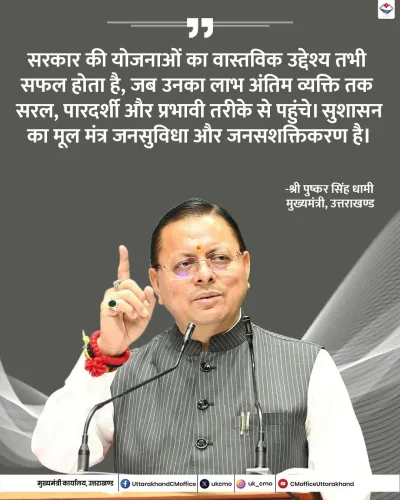
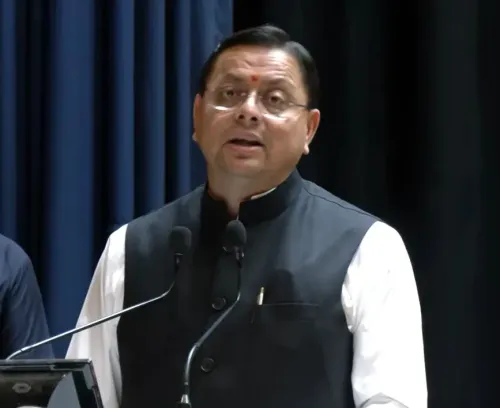
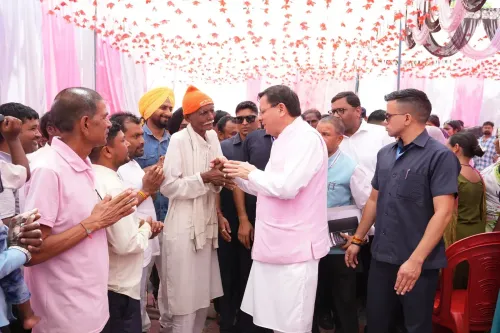
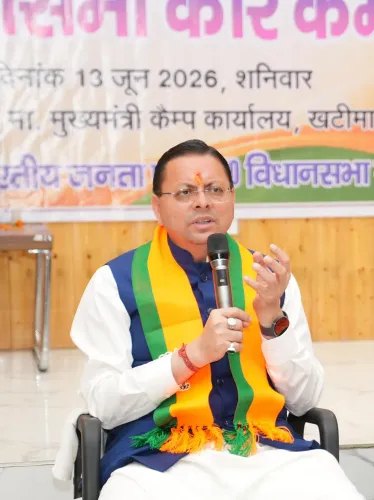
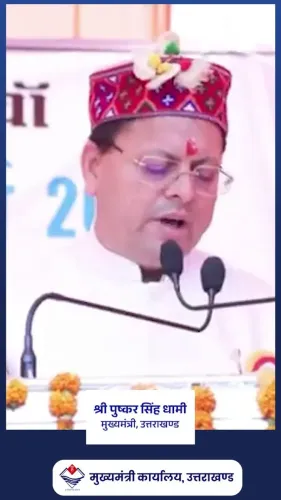
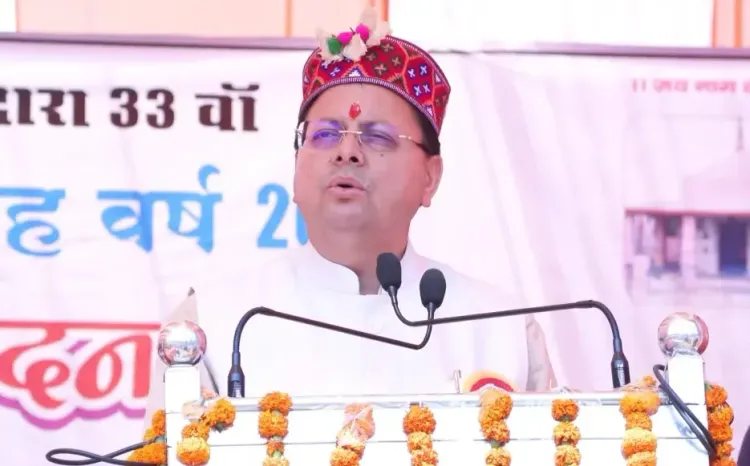
The Chief Minister's Office of Uttarakhand, on Monday, 8 June 2026, shared remarks by Chief Minister Pushkar Singh Dhami crediting Prime Minister Narendra Modi's leadership for transforming tribal welfare from bureaucratic paperwork into on-ground delivery across the country.
Dhami was quoted as saying: 'Aadarniya Pradhanmantri ji ke netritva mein aaj janjatiya samaj ke samagra vikas hetu nirantar karya kiya ja raha hai. Pehle janjatiya samaj ka naam kewal failon tak hi simat kar reh jaata tha.' — ('Under the respected Prime Minister's leadership, continuous work is today being done for the holistic development of tribal society. Earlier, the name of tribal society would remain confined only to files.')
Context
The remarks reflect a recurring political argument made by Bharatiya Janata Party-led governments: that pre-2014 tribal policy was largely performative, with welfare commitments rarely translating into tangible outcomes. Dhami's statement positions the current administration as a corrective force, accelerating delivery to Scheduled Tribe communities across India's hill states and forested regions.
In Uttarakhand, Scheduled Tribe populations — including the Bhotia, Jaunsari, and Tharu communities — are concentrated in border and forested districts where access to basic services has historically lagged behind plains areas.
Policy Backdrop
The central government's tribal welfare architecture has expanded significantly over the past decade. The Ministry of Tribal Affairs, established in 1999, was given a broader mandate to coordinate education, livelihood, and rights-based schemes for Scheduled Tribes. A major institutional marker came in 2021, when the government notified Janjatiya Gaurav Diwas to commemorate tribal contributions and signal political priority.
The PM JANMAN scheme, launched in 2023, specifically targets Particularly Vulnerable Tribal Group (PVTG) habitations, aiming to saturate them with housing, road connectivity, clean water, and health coverage. Parallel programmes — including Eklavya Model Residential Schools and the Vanbandhu Kalyan Yojana — have seen successive budget expansions, with states reporting physical progress on ground-level infrastructure.
In Uttarakhand's case, tribal welfare intersects with the state's Himalayan border geography, where development delivery is also tied to security and ecological considerations, adding a strategic dimension to scheme implementation.
Stakeholders and Impact
The primary beneficiaries of these schemes are Scheduled Tribe households across Uttarakhand's hill districts, many of whom depend on forest-based livelihoods and face seasonal connectivity challenges. Forest-rights recognition and housing entitlements under central schemes directly affect tenure security for these communities.
State-level implementation agencies, district administrations, and tribal welfare departments are the key delivery nodes. The political messaging from Dhami's office signals that the state government views visible progress on tribal welfare as an electoral and governance priority ahead of the 2027 Uttarakhand assembly elections.
What's Next
Observers will track the Uttarakhand state budget's tribal sub-plan allocations for 2026-27 and any new district-level project sanctions under PM JANMAN or state-specific tribal schemes. The pace of Eklavya school construction and PVTG habitation coverage in border districts will be key indicators of whether the political rhetoric translates into measurable delivery on the ground.
Point of View
Even as civil society groups continue to flag gaps in forest-rights recognition and PVTG coverage. The real test will be whether Uttarakhand's tribal sub-plan spending in 2026-27 matches the political rhetoric.
NationPress
22 Oct 2026
Frequently Asked Questions
What did CM Dhami say about tribal welfare in Uttarakhand?
CM Pushkar Singh Dhami said that under PM Modi's leadership, continuous work is being done for the holistic development of tribal society, contrasting it with the earlier practice where tribal welfare was confined only to government files.
What is the PM JANMAN scheme for tribal communities?
PM JANMAN, launched in 2023, is a central government scheme aimed at saturating Particularly Vulnerable Tribal Group habitations with basic services including housing, road connectivity, clean water, and healthcare.
Which tribal communities live in Uttarakhand?
Uttarakhand's Scheduled Tribe populations include the Bhotia, Jaunsari, and Tharu communities, concentrated mainly in border and forested hill districts of the state.
What is Janjatiya Gaurav Diwas?
Janjatiya Gaurav Diwas was notified by the central government in 2021 to commemorate the contributions of India's tribal communities and signal a stronger political commitment to accelerating tribal welfare delivery.
What tribal welfare schemes are active in Uttarakhand?
Key schemes include PM JANMAN targeting PVTGs, Eklavya Model Residential Schools for tribal students, and the Vanbandhu Kalyan Yojana, all implemented through the Ministry of Tribal Affairs in coordination with the state government.