CM Dhami Meets Panchayat Chiefs on Rural Welfare Delivery
Synopsis
Uttarakhand CM Pushkar Singh Dhami convened district panchayat presidents and block heads at Mukhya Sevak Sadan on 18 July 2026, urging them to ensure state welfare schemes reach every eligible citizen at the grassroots and resolve public grievances swiftly.
Key Takeaways
CM Pushkar Singh Dhami met district panchayat presidents and block heads at Mukhya Sevak Sadan, Dehradun on 18 July 2026 .
Discussions covered holistic state development, rural empowerment, and public welfare delivery.
Dhami described panchayat leaders as a 'strong bridge between the government and the people' within the three-tier panchayati raj framework.
He directed all district panchayat presidents and block heads to ensure welfare schemes reach every eligible person at the last mile.
Swift resolution of public grievances was highlighted as a key expectation from elected local body representatives.
The meeting reflects a broader pattern in BJP-governed states of using panchayat networks for frontline scheme implementation and accountability.
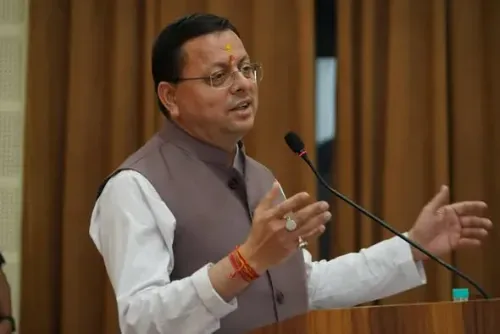
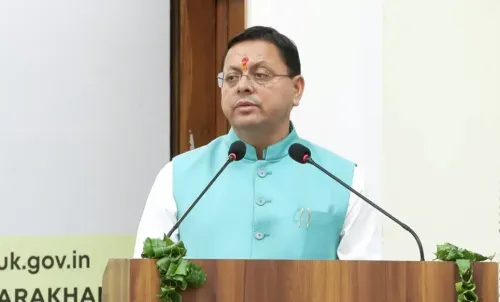
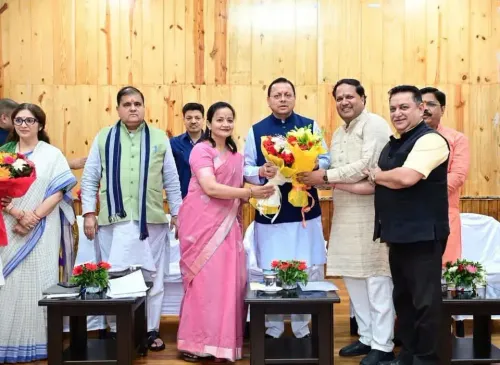
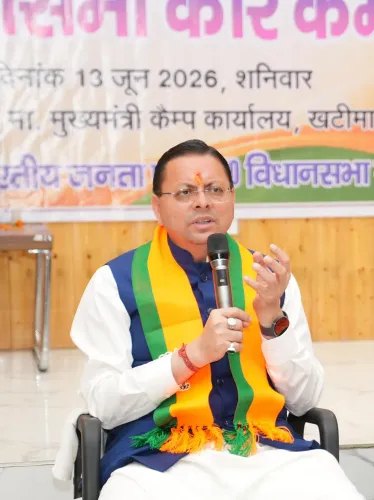
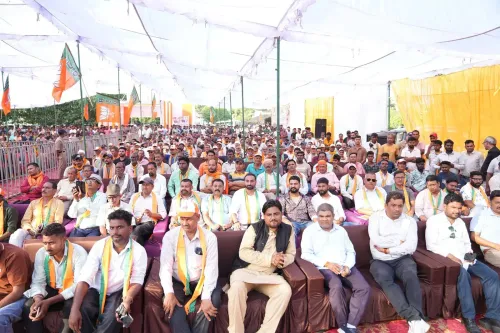
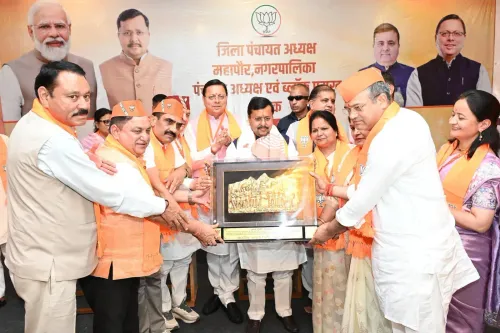
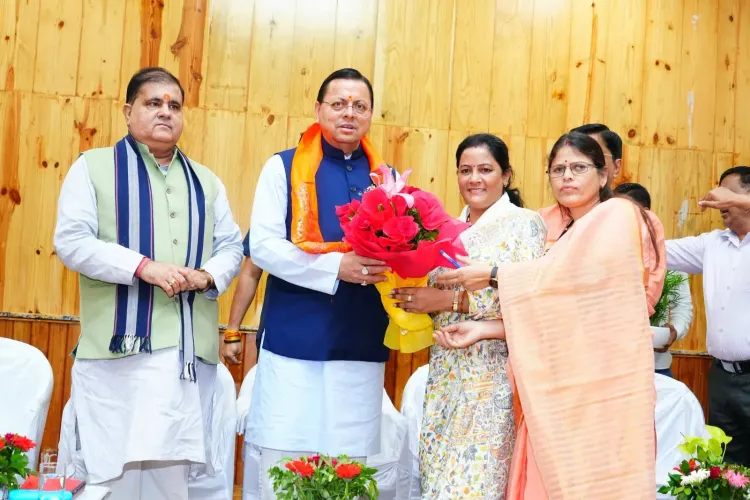
Uttarakhand Chief Minister Pushkar Singh Dhami on Saturday, 18 July 2026, held a dialogue with district panchayat presidents and block heads at Mukhya Sevak Sadan in Dehradun, discussing holistic state development, rural empowerment, and public welfare delivery.
Context
Posting on X, CM Dhami described the meeting as a wide-ranging discussion on 'samgra vikas, gramin sashaktikaran evam jankalyan' (holistic development, rural empowerment, and public welfare). He characterised district panchayat presidents and block heads as 'an important link in the three-tier panchayati system and a strong bridge between the government and the people.' The Chief Minister called on all participants to actively ensure that state welfare schemes and development works reach 'every eligible person standing at the last mile,' and to work toward the swift resolution of public grievances.
Policy Backdrop
The three-tier Panchayati Raj system was institutionalised across India by the 73rd Constitutional Amendment Act of 1992, which mandated the devolution of power to gram panchayats, panchayat samitis (block level), and zila parishads (district level). Uttarakhand, a Himalayan state formed in 2000, presents particular last-mile delivery challenges owing to its mountainous terrain and dispersed rural population. Elected panchayat representatives have become central to bridging the gap between state-designed welfare programmes and their intended beneficiaries on the ground.
Across India, and notably in BJP-governed states, district and block-level panchayat leaders have been increasingly positioned as frontline intermediaries for scheme implementation and grievance redressal. This approach treats elected local bodies not merely as administrative units but as accountability nodes in the welfare delivery chain.
Stakeholders and Impact
District panchayat presidents and block heads are the direct interlocutors between the Uttarakhand state government and rural communities. Their effectiveness determines whether centrally and state-sponsored welfare schemes — covering areas such as housing, sanitation, health, and livelihood — reach eligible beneficiaries in remote villages. The meeting signals that the Dhami government is placing renewed emphasis on accountability at the panchayat tier, asking elected representatives to move beyond ceremonial roles toward active programme facilitation.
Rural populations in Uttarakhand's hill districts stand to benefit most directly if panchayat leaders improve scheme penetration and reduce the turnaround time on local grievances. Conversely, any gaps in this network can leave eligible residents excluded from welfare entitlements.
What's Next
The government is expected to follow up with performance reviews of panchayat-level scheme implementation across Uttarakhand's districts. Observers will watch whether the dialogue at Mukhya Sevak Sadan translates into measurable improvements in last-mile delivery metrics and grievance resolution timelines. If the state moves toward formal panchayat-level audits of welfare programmes, it could set a benchmark for decentralised governance in other hill states.
Point of View
Not passive conduits. By framing block heads and district panchayat presidents as the 'bridge between government and people,' the Chief Minister is leveraging the constitutional architecture of the 73rd Amendment to operationalise last-mile accountability. This fits a wider BJP-state pattern of using panchayat networks to demonstrate welfare scheme reach ahead of electoral cycles. The real test will be whether this dialogue produces measurable delivery improvements or remains a periodic mobilisation exercise.
NationPress
17 Oct 2026
Frequently Asked Questions
Why did CM Dhami meet panchayat leaders on 18 July 2026?
CM Dhami held the meeting at Mukhya Sevak Sadan to discuss holistic state development, rural empowerment, and ensuring that government welfare schemes reach every eligible person at the grassroots level in Uttarakhand.
What is Mukhya Sevak Sadan?
Mukhya Sevak Sadan is the official residence and public engagement venue of the Uttarakhand Chief Minister in Dehradun, used for government dialogues and public interactions.
What is the three-tier panchayati raj system in India?
The three-tier panchayati raj system, established by the 73rd Constitutional Amendment of 1992, comprises gram panchayats at the village level, panchayat samitis at the block level, and zila parishads at the district level, collectively tasked with local self-governance and rural development.
What did CM Dhami ask district panchayat presidents and block heads to do?
He urged them to actively deliver state welfare schemes and development works to every eligible person at the last mile and to resolve public grievances quickly.
What is the significance of panchayat leaders in Uttarakhand's governance?
Given Uttarakhand's mountainous terrain and dispersed rural population, district panchayat presidents and block heads are critical intermediaries who connect the state government's welfare programmes to remote communities that are otherwise difficult to reach.