CM Dhami Meets District Panchayat Leaders in Uttarakhand
Synopsis
Uttarakhand Chief Minister Pushkar Singh Dhami on 13 June 2026 met District Panchayat President Ajay Maurya and office-bearer Ranjit Singh Namdhari at a state event, reinforcing the BJP-led government's pattern of direct engagement with grassroots panchayat institutions.
Key Takeaways
CM Pushkar Singh Dhami hosted a meeting with district panchayat officials on 13 June 2026 .
District Panchayat President Ajay Maurya and office-bearer Ranjit Singh Namdhari were among those present.
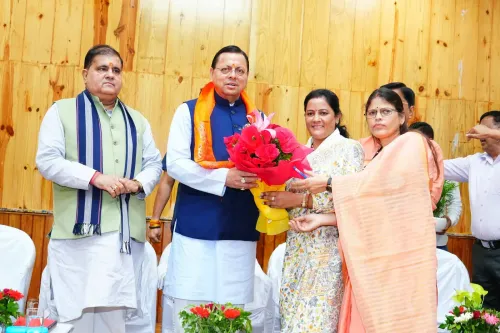
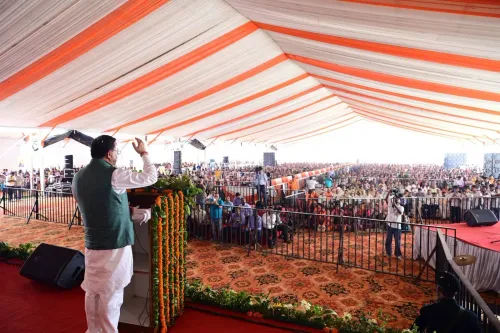
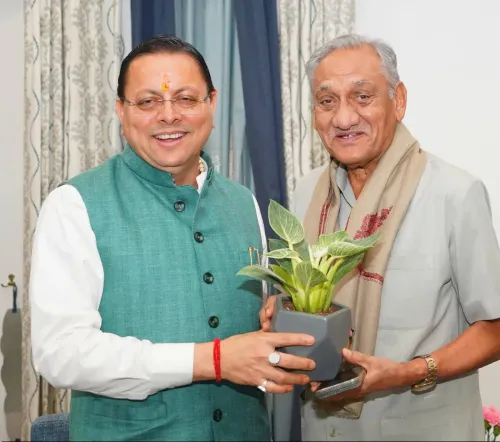
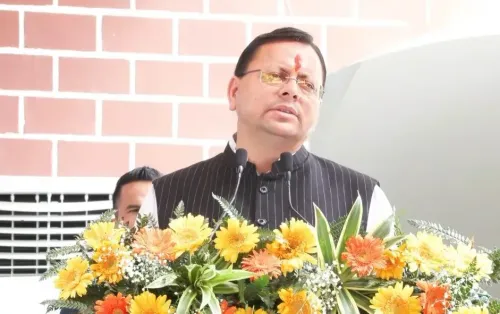
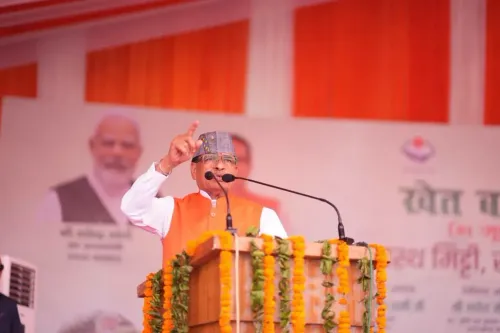
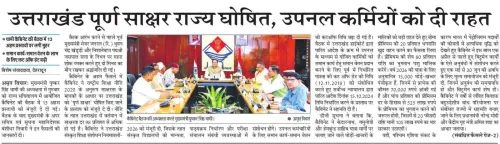
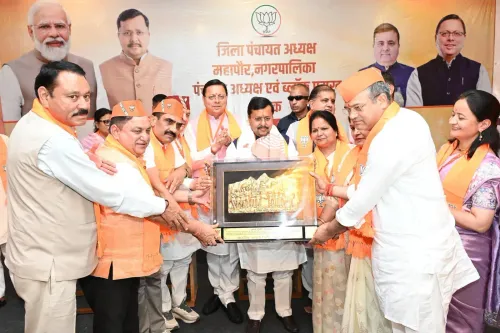
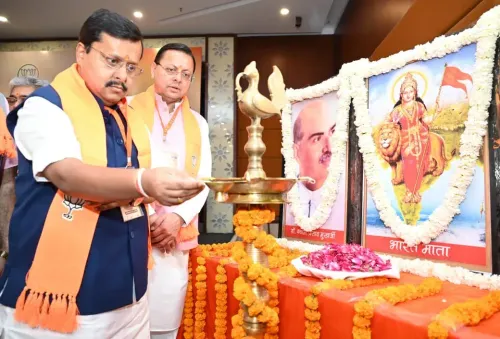
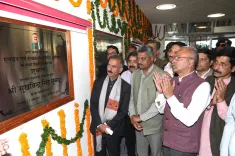
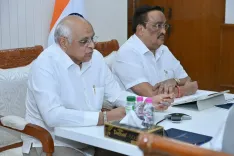
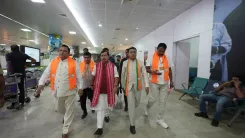
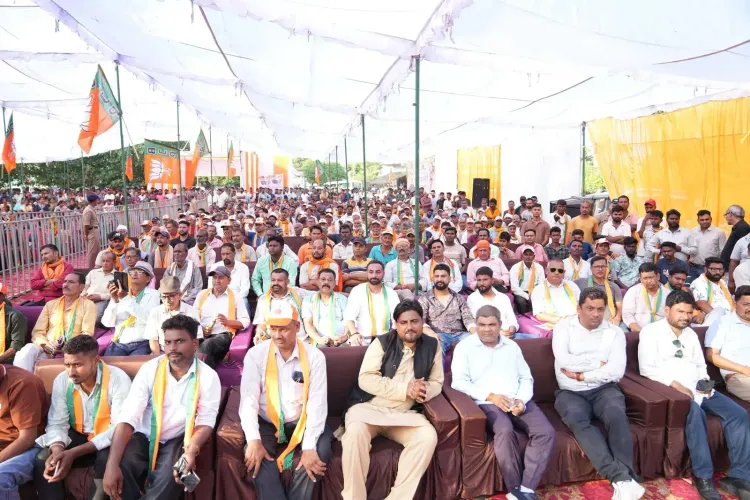
The event was attended by several other dignitaries, with four images shared by the Chief Minister on social media.
The engagement reflects the BJP-led Uttarakhand government's continued emphasis on coordination with elected local bodies since 2017 .
India's 73rd Constitutional Amendment (1992) forms the legal backbone of Panchayati Raj institutions that such meetings seek to strengthen.
Uttarakhand Chief Minister Pushkar Singh Dhami on Saturday, 13 June 2026 met with district panchayat officials and local dignitaries at a state-level event, underscoring his administration's continued engagement with grassroots governance institutions.
Context
The Chief Minister shared details of the gathering on social media, noting that among those present were District Panchayat President Ajay Maurya and office-bearer Ranjit Singh Namdhari, along with several other prominent individuals. In his post, Dhami wrote: 'जिला पंचायत अध्यक्ष श्री अजय मौर्या जी, दायित्वधारी श्री रंजीत सिंह नामधारी जी समेत कई गणमान्य जन उपस्थित रहे' — meaning 'District Panchayat President Shri Ajay Maurya, office-bearer Shri Ranjit Singh Namdhari, and several dignitaries were present on this occasion.' The post was accompanied by four images from the event.
While the specific occasion referenced in the post was not separately detailed, such gatherings typically involve coordination between the state government and elected panchayat bodies on developmental priorities or administrative reviews.
Policy Backdrop
India's 73rd Constitutional Amendment of 1992 institutionalised Panchayati Raj institutions as the third tier of democratic governance, mandating elected local bodies at the district, intermediate, and village levels. Uttarakhand, carved out as a separate state in 2000, has since worked to strengthen these institutions across its largely rural and hilly geography.
Under BJP governance in Uttarakhand since 2017, successive administrations have emphasised coordination between the state government and district panchayat bodies, aligning local body priorities with state development schemes. Chief Minister Dhami, who took charge in 2021 and was re-elected in 2022, has continued this pattern of direct engagement with elected panchayat representatives.
Stakeholders and Impact
District Panchayat Presidents occupy a pivotal role in rural governance, overseeing the implementation of centrally and state-sponsored schemes at the district level. Their direct interaction with the Chief Minister signals the state government's intent to keep local elected bodies aligned with administrative priorities.
For rural communities across Uttarakhand, the health of panchayat institutions directly affects the delivery of public services — from road connectivity and water supply to welfare scheme disbursement. Engagements of this nature are seen as an important feedback mechanism between the state capital and ground-level governance structures.
What's Next
Observers of Uttarakhand politics will watch for any follow-up announcements regarding panchayat capacity-building programmes or administrative reviews stemming from this interaction. The state is also expected to keep an eye on preparations for upcoming rural local body electoral cycles, where the relationship between the ruling party and sitting panchayat office-bearers carries political significance.
Continued high-level engagement between CM Dhami and district panchayat leadership suggests the administration is keen to maintain active coordination with elected local bodies as a visible governance priority heading into the latter half of 2026.
Point of View
Particularly in states where rural local bodies are key electoral constituencies. In Uttarakhand, where hilly terrain makes last-mile governance challenging, keeping district panchayat leadership engaged is both an administrative necessity and a political signal. Such interactions also serve as a soft precursor to local body election cycles, where incumbency at the panchayat level can influence state-level political outcomes. The regularity of these engagements suggests the Dhami administration views panchayat coordination as a structural, not merely ceremonial, governance priority.
NationPress
27 Oct 2026
Frequently Asked Questions
Who is Pushkar Singh Dhami?
Pushkar Singh Dhami is the Chief Minister of Uttarakhand and a senior BJP leader. He first became Chief Minister in 2021 and was re-elected following the 2022 state assembly elections.
Who is Ajay Maurya in Uttarakhand politics?
Ajay Maurya is the District Panchayat President who was present at the event hosted by CM Dhami on 13 June 2026, as mentioned in the Chief Minister's social media post.
What is a District Panchayat President in India?
A District Panchayat President, also known as Zila Panchayat Adhyaksha, is the elected head of the district-level tier of Panchayati Raj institutions, responsible for overseeing rural development and governance at the district level.
What is the 73rd Constitutional Amendment?
The 73rd Constitutional Amendment of 1992 institutionalised Panchayati Raj in India, creating a three-tier system of elected local governance at the village, intermediate, and district levels across the country.
Why does CM Dhami meet panchayat officials?
CM Dhami meets panchayat officials to coordinate state developmental priorities with grassroots elected bodies. Such engagements are also part of the BJP-led government's broader emphasis on strengthening local governance institutions in Uttarakhand.