CM Dhami Vows to Take Development to Last Person
Synopsis
Uttarakhand Chief Minister Pushkar Singh Dhami on 15 July 2026 reaffirmed his government's Antyodaya-rooted commitment to field-level governance, vowing to stand among the people and carry development to the last individual rather than confining work to bureaucratic files.
Key Takeaways
CM Pushkar Singh Dhami on 15 July 2026 publicly reaffirmed his administration's field-first governance philosophy.
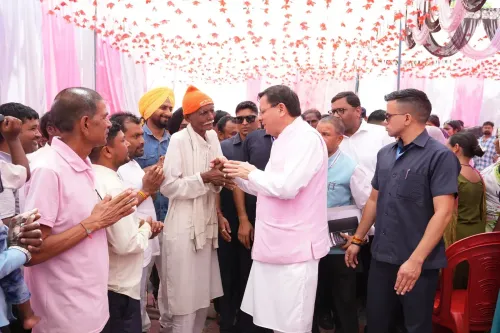
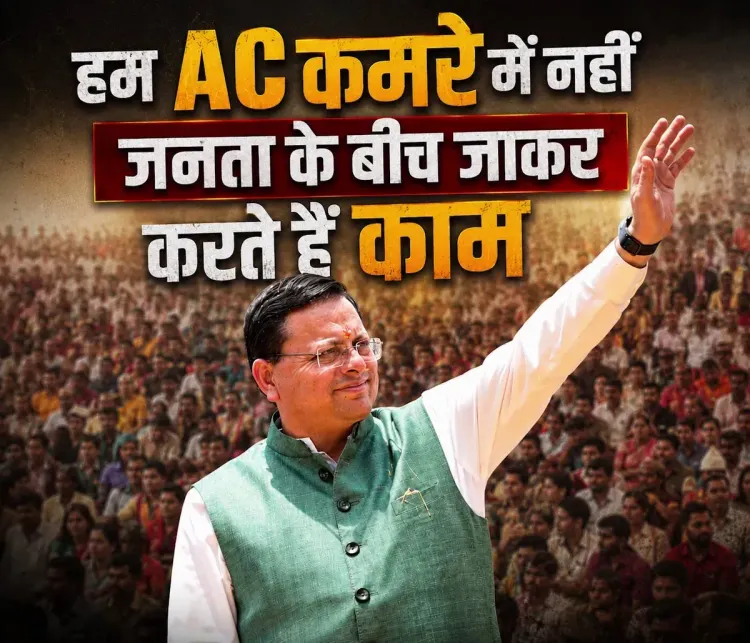
He stated that his government's belief lies in 'standing among the people and taking development to the last person,' not in file-bound bureaucracy.
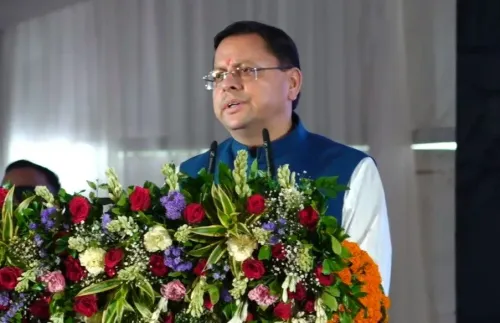
The post was accompanied by a video, suggesting it may be linked to a field visit or public outreach event.
The approach draws from the Antyodaya philosophy of Deendayal Upadhyaya , formally adopted by the BJP since 2014 .
The Dhami government has emphasised direct public grievance redressal mechanisms since its 2022 assembly election win in Uttarakhand .
Concrete follow-through will be measured through scheme rollouts and administrative outreach across Uttarakhand 's hill districts.
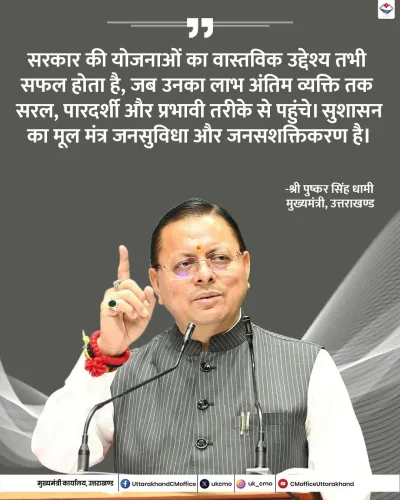
Uttarakhand Chief Minister Pushkar Singh Dhami on Wednesday, 15 July 2026, reaffirmed his government's commitment to field-level governance, stating that his administration's belief lies not in working within the confines of files but in standing among the people, resolving their problems, and ensuring development reaches the last individual.
In a post on X, CM Dhami wrote in Hindi: 'हमारा विश्वास केवल फाइलों तक सीमित रहकर कार्य करने में नहीं बल्कि जनता के बीच खड़े होकर उनकी समस्याओं का समाधान सुनिश्चित करने और विकास को अंतिम व्यक्ति तक पहुंचाने में है।' ('Our belief is not in working limited to files alone, but in standing among the people, ensuring solutions to their problems, and taking development to the last person.')
Context
The statement reflects a recurring theme in Dhami's public communication since he assumed office in March 2021 — positioning direct public engagement as the defining feature of his administration. Uttarakhand, a Himalayan state with a significant rural and remote population, presents persistent challenges in last-mile service delivery, making such outreach a politically and administratively significant commitment.
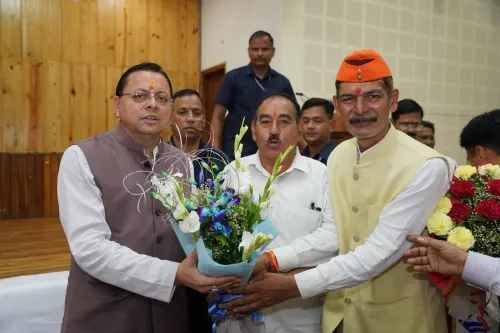
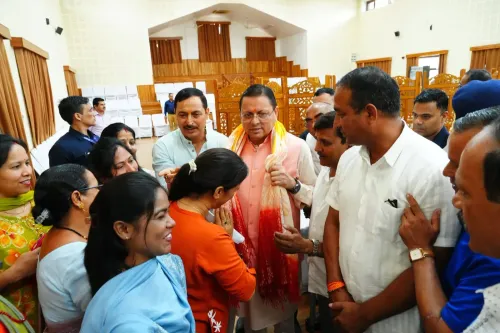
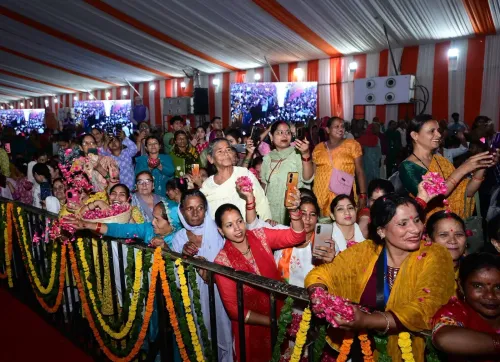
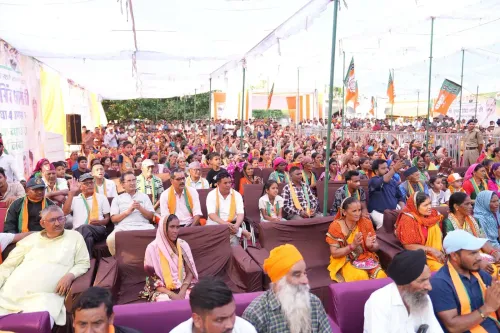
The post comes with an attached video, suggesting it may accompany a field visit, a public grievance camp, or a government programme, though the specific triggering event has not been specified in the post.
Policy Backdrop
The philosophy CM Dhami articulates draws directly from Antyodaya — the principle of 'rise of the last person' — first articulated by Bharatiya Jana Sangh ideologue Deendayal Upadhyaya in the 1950s and 1960s. The BJP's 2014 national election manifesto formally adopted Antyodaya as the core framework for inclusive welfare delivery, and the approach has since been institutionalised across BJP-governed states.
In Uttarakhand, the Dhami government following its 2022 assembly election victory continued to emphasise direct public grievance redressal mechanisms, including district-level outreach programmes and public darbars. The contrast between bureaucratic file-work and field presence has become a standard rhetorical and policy marker for BJP chief ministers across the country.
Stakeholders and Impact
The primary beneficiaries of this governance philosophy, if translated into consistent practice, are Uttarakhand's rural and remote communities — particularly those in hill districts where terrain and infrastructure gaps have historically slowed welfare delivery. For these populations, direct administrative engagement can mean faster resolution of land records, pension claims, health access, and connectivity grievances.
For the BJP organisation in Uttarakhand, such messaging also serves a political function: reinforcing the party's grassroots identity ahead of any future electoral cycle and differentiating the state administration from perceptions of bureaucratic inertia.
What's Next
Observers will watch for concrete follow-through in the form of announced field visits, public grievance camps, or updates on ongoing welfare and infrastructure scheme rollouts across Uttarakhand's districts. Any related discussions in the state assembly on administrative reform or last-mile delivery mechanisms will also be significant markers of whether this commitment translates into structural change.
If the Dhami administration sustains and scales direct-engagement mechanisms, it could serve as a template for governance in other hill states grappling with similar last-mile delivery challenges.
Point of View
Reinforcing the party's grassroots identity in a state it won decisively in 2022. What distinguishes this statement from routine political rhetoric will be the administrative follow-through: whether public grievance camps, district visits, and scheme delivery data back the claim. Across BJP-ruled states, this pattern of chief ministers asserting direct-connect governance has become a defining feature of the party's post-2014 political communication architecture.
NationPress
13 Oct 2026
Frequently Asked Questions
What did Uttarakhand CM Pushkar Singh Dhami say on 15 July 2026?
CM Dhami said his government believes not in working limited to files but in standing among the people, resolving their problems, and ensuring development reaches the last person.
What is the Antyodaya philosophy that CM Dhami's statement reflects?
Antyodaya, meaning 'rise of the last person,' is a governance philosophy articulated by Bharatiya Jana Sangh ideologue Deendayal Upadhyaya and formally adopted by the BJP in its 2014 manifesto as the core framework for inclusive welfare delivery.
How has the Dhami government approached public grievance redressal in Uttarakhand?
Since winning the 2022 Uttarakhand assembly elections, the Dhami government has emphasised direct public grievance redressal mechanisms including district-level outreach programmes and public darbars.
Why is last-mile development a key issue in Uttarakhand?
Uttarakhand's Himalayan terrain and significant rural and remote population make last-mile service delivery a persistent challenge, meaning direct administrative engagement is critical for welfare access in hill districts.
What should be watched after CM Dhami's governance commitment statement?
Observers will track announced field visits, public grievance camps, welfare scheme rollouts across Uttarakhand's districts, and any state assembly discussions on administrative reform as indicators of follow-through.