CM Dhami Holds Worker Meet to Review Local Development
Synopsis
Uttarakhand Chief Minister Pushkar Singh Dhami held a meeting with party workers on June 14, 2026, to discuss public sentiments, local requirements, and the progress of development works — part of the BJP's structured grassroots governance outreach.
Key Takeaways
CM Pushkar Singh Dhami met with party workers on June 14, 2026 to review ground-level conditions.
Discussion covered public sentiments, local needs, and progress of various development works.
The meeting is consistent with the BJP 's standard practice of using worker interactions as informal audits of scheme implementation.
Uttarakhand's development focus includes infrastructure connectivity, tourism, and disaster resilience in hill districts.
Party workers serve as a two-way channel between the government and local residents, especially in remote areas.
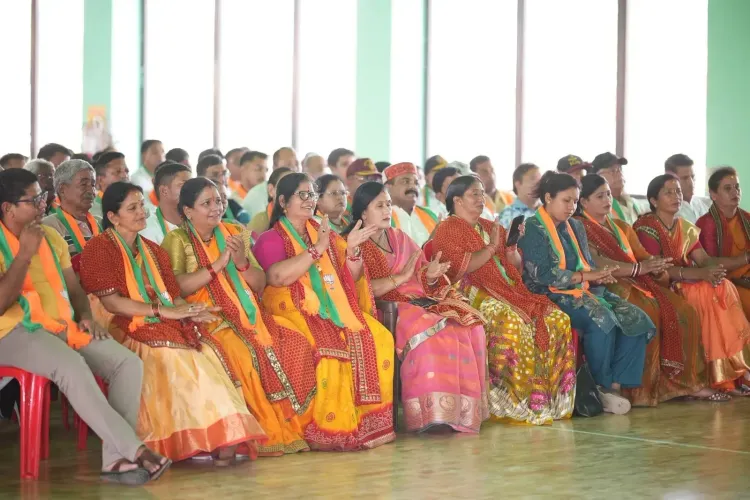
Uttarakhand Chief Minister Pushkar Singh Dhami on Sunday, June 14, 2026, engaged with party workers at a meeting to discuss ground-level public sentiments, local needs, and the progress of various development works in the region.
Context
Dhami shared on X that during the meeting, he held dialogue with workers and deliberated on 'जनभावनाओं, स्थानीय आवश्यकताओं एवं विभिन्न विकास कार्यों की प्रगति' — that is, 'public sentiments, local requirements, and the progress of various development works.' The interaction reflects a structured effort to gather grassroots feedback directly from party functionaries who remain in close contact with constituents.
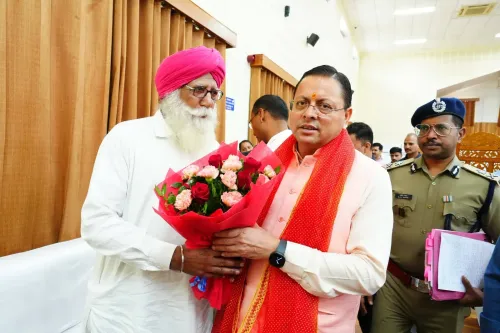
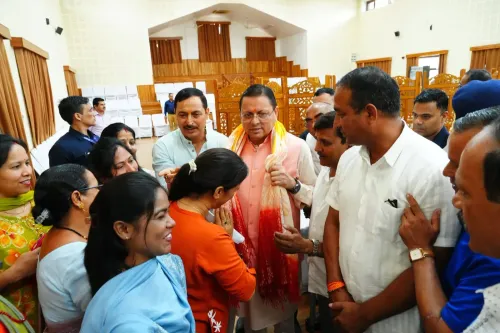
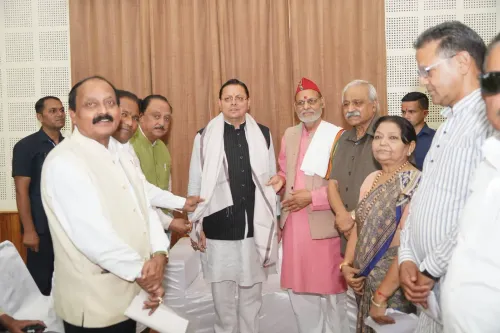
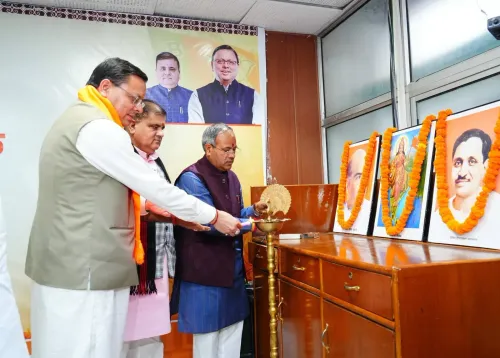
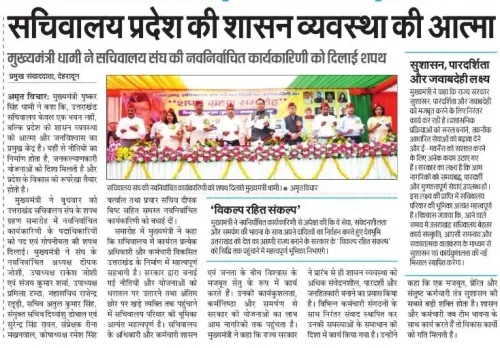
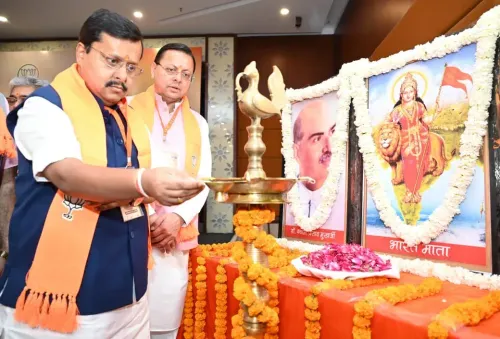
Four images shared alongside the post showed Dhami engaged in the meeting, though the precise venue was not specified in the post.
Policy Backdrop
Such worker-level consultations are a standard feature of the Bharatiya Janata Party's governance model, particularly for chief ministers overseeing states with dispersed, hard-to-reach populations. In Uttarakhand — a Himalayan state where connectivity and welfare delivery in hill districts remain persistent challenges — these meetings serve as an informal audit of scheme implementation on the ground.
Following the 2022 Uttarakhand assembly elections, the Dhami government reaffirmed its commitment to district-level reviews and public feedback mechanisms as part of its administrative approach. The state's development agenda has centred on infrastructure connectivity, tourism promotion, and disaster resilience.
Stakeholders and Impact
Party workers present at such meetings act as a two-way channel — carrying government messaging to voters while relaying unfiltered local grievances back to the leadership. For local residents, particularly in remote hill areas, these interactions can translate into faster identification of gaps in welfare delivery or stalled infrastructure projects.
The BJP's broader organisational culture encourages chief ministers across states to hold periodic reviews of this kind, ensuring that progress on both central and state-sponsored schemes is tracked at the political level and not just through bureaucratic reporting.
What's Next
Meetings of this nature typically feed into formal district-level development review sessions or state cabinet discussions where actionable follow-ups are assigned. Observers will watch whether specific local concerns raised during this interaction surface at upcoming Uttarakhand administrative reviews or in the state assembly's next session. The regularity of such outreach also signals the ruling party's intent to maintain organisational cohesion ahead of future electoral cycles.
Point of View
Where chief ministers double as field commanders collecting real-time intelligence on scheme delivery. For Uttarakhand, a state where bureaucratic reach is structurally limited by terrain, such political channels are not ceremonial — they carry operational weight. The regularity of these interactions also serves an electoral function, keeping the party's ground organisation active and invested between election cycles. Whether the inputs gathered translate into measurable policy corrections will be the true test of this outreach model.
NationPress
13 Sept 2026
Frequently Asked Questions
Why did CM Dhami hold a meeting with party workers?
CM Dhami held the meeting to discuss public sentiments, local needs, and the progress of development works in the region, using party workers as a direct channel for grassroots feedback.
What does CM Dhami's worker meeting mean for Uttarakhand development?
Such meetings help identify gaps in welfare delivery and stalled infrastructure projects in Uttarakhand's hard-to-reach hill districts, feeding into formal administrative reviews.
Is this kind of BJP worker meeting common for chief ministers?
Yes, the BJP encourages chief ministers across states to hold periodic worker consultations as an informal audit of scheme implementation at the ground level.
What development issues does Uttarakhand focus on?
Uttarakhand's key development priorities include infrastructure connectivity, road construction, tourism promotion, and building resilience against natural disasters in hill districts.
What happens after CM Dhami's worker outreach meetings?
Inputs from such meetings typically feed into district-level development reviews or state cabinet discussions where specific follow-up actions are assigned to officials.