CM Rio calls for harmony and shared progress in Nagaland
Synopsis
Nagaland Chief Minister Neiphiu Rio on June 9, 2026 called for harmony, fraternity, and mutual understanding among all communities, urging collective progress in peace and equality. The statement reflects a consistent governance theme amid the state's diverse tribal landscape and ongoing Naga peace process.
Key Takeaways
Nagaland Chief Minister Neiphiu Rio posted on X on June 9, 2026 calling for inter-community harmony and shared progress.
Rio expressed the 'collective aspiration' that all communities move forward together in peace, equality, and shared progress .
The statement reflects a recurring pattern in Nagaland 's political discourse, linking community cohesion with state development.
The message comes in the context of the 2015 Framework Agreement between the Government of India and NSCN-IM, which underpins ongoing Naga peace negotiations.
Nagaland is home to multiple Naga tribes, making inter-community solidarity a central and persistent governance challenge.
Progress in formal Naga political negotiations and state-level development equity initiatives will be key indicators to watch in coming months.
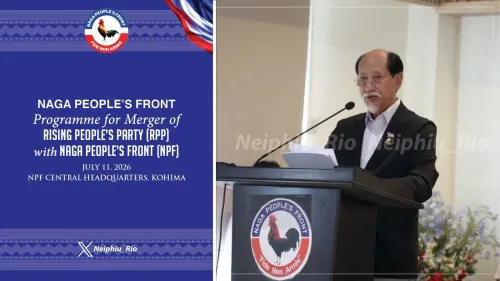
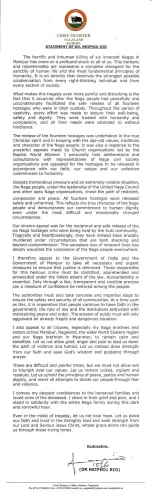
Nagaland Chief Minister Neiphiu Rio on Tuesday, June 9, 2026, called for inter-community harmony, fraternity, and mutual understanding, expressing the collective aspiration that all communities in the state move forward together in peace, equality, and shared progress.
Context
Rio, who leads the Nationalist Democratic Progressive Party (NDPP), posted the message on X, articulating a vision of coexistence among Nagaland's diverse tribal communities. The statement reflects a recurring theme in the Chief Minister's public communications, which consistently frame inter-community solidarity as a prerequisite for the state's advancement. Nagaland is home to multiple Naga tribes, each with distinct identities, making such calls for unity a recurring feature of political discourse in the state.
Policy Backdrop
The message arrives against the backdrop of a decades-long peace process in Nagaland. The 2015 Framework Agreement between the Government of India and the National Socialist Council of Nagaland – Isak-Muivah (NSCN-IM) laid the groundwork for a negotiated settlement of the Naga political issue, emphasising dialogue and mutual accommodation. Successive state and central governments have paired formal peace negotiations with public messaging that links harmony with economic and social development, a pattern that Rio's statement continues.
The NDPP, as a regional party that has aligned with national coalitions, has consistently positioned itself as a bridge between diverse tribal interests and broader national governance frameworks. Rio's emphasis on 'equality and shared progress' echoes the development-linked peace rhetoric that has defined Nagaland's political landscape for years.
Stakeholders and Impact
The primary stakeholders of such a message are Nagaland's numerous tribal communities, whose relationships with one another and with the state government shape everyday governance, land rights, and resource allocation. Inter-tribal tensions have historically complicated both peace negotiations and development delivery in the state. Public affirmations of fraternity from the Chief Minister serve to signal the administration's commitment to equitable treatment across community lines.
Tribal groups across Northeast India also watch Nagaland's governance closely, given the state's symbolic importance as the centre of the broader Naga peace process. Statements of this nature contribute to the political environment in which formal negotiations and grassroots reconciliation efforts unfold.
What's Next
Progress in formal Naga political negotiations and any state-level initiatives addressing inter-tribal relations or development equity will be closely watched in the coming months. Rio's continued emphasis on shared progress suggests the administration views community cohesion as both a moral imperative and a practical foundation for governance. Whether this public articulation is followed by concrete policy measures — in areas such as development equity, land rights, or conflict resolution — will determine its lasting significance.
Point of View
Such messaging from a sitting Chief Minister carries weight as a confidence-building measure, even absent specific policy commitments. The durability of this rhetoric will ultimately be tested by concrete outcomes in negotiations and equitable development delivery.
NationPress
24 Oct 2026
Frequently Asked Questions
What did Nagaland CM Neiphiu Rio say on June 9 2026?
Nagaland Chief Minister Neiphiu Rio called for harmony, fraternity, and mutual understanding among all communities, expressing the collective aspiration that they move forward together in peace, equality, and shared progress.
Who is Neiphiu Rio and which party does he lead?
Neiphiu Rio is the Chief Minister of Nagaland and the leader of the Nationalist Democratic Progressive Party (NDPP), a regional party focused on governance and peace-building in the state.
What is the Naga peace process?
The Naga peace process refers to ongoing negotiations between the Government of India and Naga political groups, most notably formalised through the 2015 Framework Agreement with the NSCN-IM, aimed at resolving the long-standing Naga political issue.
Why is inter-community harmony important in Nagaland?
Nagaland is home to multiple Naga tribes with distinct identities and histories, and inter-tribal relations have historically affected peace negotiations, land rights, and equitable development in the state.
What should we watch for next in Nagaland politics?
Progress in formal Naga political negotiations and state-level initiatives addressing inter-tribal development equity are the key developments to monitor in the coming months.