Sonowal flags new maritime initiatives, eyes global shipping hub
Synopsis
Union Minister Sarbananda Sonowal on 29 May 2026 highlighted fresh maritime initiatives under PM Modi's port-led development agenda, asserting India is on track to become a global shipping powerhouse. The push builds on Sagarmala, Maritime India Vision 2030, and PM Gati Shakti frameworks targeting 3,000 MT port capacity by 2030.
Key Takeaways
Union Minister Sarbananda Sonowal announced new maritime initiatives on 29 May 2026 , framing them as advancing India's goal of becoming a global shipping powerhouse.
The announcements build on the Sagarmala Project (launched 2015 ), which targets port modernisation and port-led industrialisation along India's 7,500-km coastline.
Maritime India Vision 2030 sets a port capacity target of over 3,000 million tonnes by 2030, alongside green port and inland waterways freight goals.
The PM Gati Shakti National Master Plan integrates ports into a multimodal logistics grid to reduce India's overall logistics cost as a share of GDP.
Key stakeholders include port operators, shipping lines, exporters, and logistics firms, with private investment central to the ministry's delivery model.
Follow-up scrutiny is expected through parliamentary questions, budget allocations, and the next edition of the Maritime India Summit .
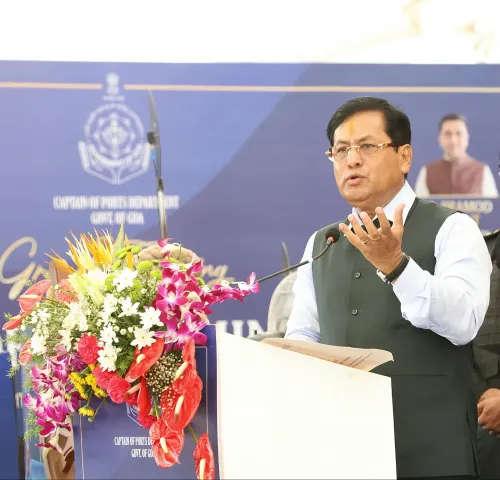
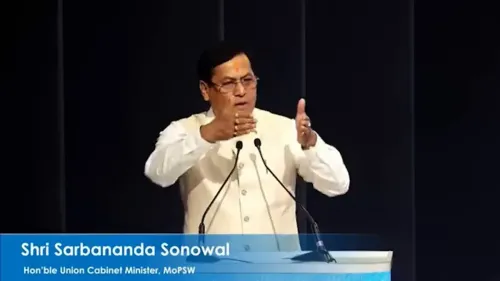
Union Minister of Ports, Shipping and Waterways Sarbananda Sonowal on Friday, 29 May 2026 highlighted a set of fresh maritime initiatives unveiled under the government's port-led development agenda, asserting that India is on course to become a global shipping powerhouse under Prime Minister Narendra Modi.
Context
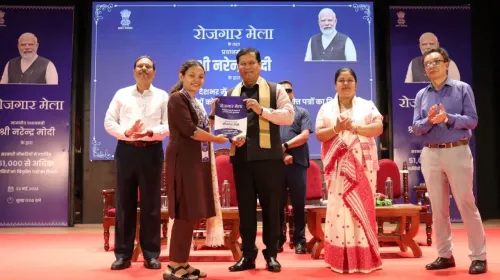
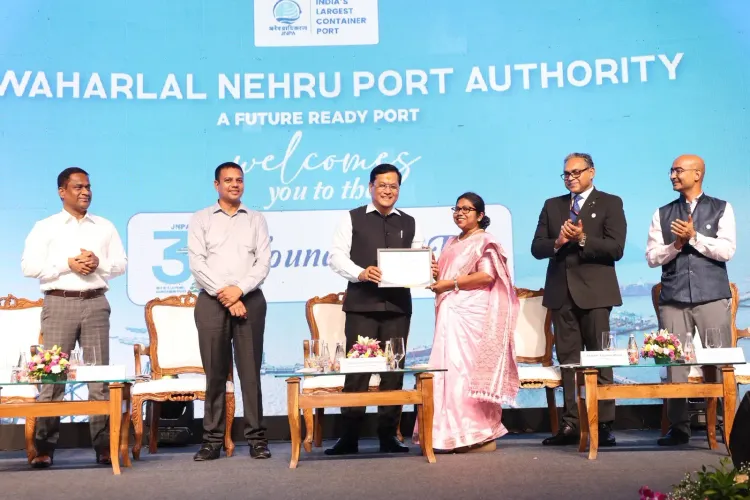
Posting on X, Minister Sonowal stated that 'the initiatives unveiled today will further strengthen our maritime ecosystem and firmly establish the nation as a global shipping powerhouse.' The post, accompanied by three images, framed the announcements as part of what he described as the 'visionary leadership' of the Prime Minister in driving port-led national development.
While the specific initiatives referenced in the post could not be independently detailed from available public records, the statement signals a fresh policy push by the Ministry of Ports, Shipping and Waterways in the ongoing effort to expand India's maritime capacity and global trade footprint.
Policy Backdrop
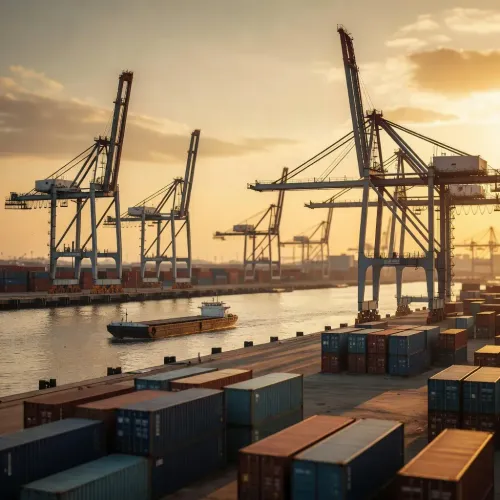
India's current maritime development architecture rests on several interlocking frameworks. The Sagarmala Project, launched in 2015, set out to modernise major and non-major ports, enable port-led industrialisation, and improve coastal connectivity across India's roughly 7,500-kilometre coastline.
Building on that foundation, the Maritime India Vision 2030 — released in 2021 — set an ambitious target of port handling capacity exceeding 3,000 million tonnes by the decade's end, alongside goals for green port infrastructure and a larger share of freight moving through inland waterways. The PM Gati Shakti National Master Plan, also notified in 2021, integrated ports into a multimodal logistics grid spanning rail, road, air and waterways, aimed at reducing the country's logistics cost as a share of GDP.
Together, these schemes represent a sustained governmental bet that port modernisation — combining capacity addition, digitalisation, and coastal shipping incentives — is a primary lever for lowering trade costs and raising India's share in global commerce.
Stakeholders and Impact
The beneficiaries of an expanded maritime ecosystem span a wide value chain: port operators stand to gain from infrastructure upgrades and increased cargo throughput, while shipping lines benefit from improved turnaround times and digital port services. Exporters and logistics firms — particularly those dependent on container and bulk shipping — are directly affected by port efficiency and connectivity improvements.
Coastal states with major port assets on both the eastern and western seaboards have a significant stake in how central policy translates into on-ground investment. Private sector participation has been a consistent feature of the current approach, with public-private partnership models deployed across terminal development and logistics park projects.
What's Next
The specific initiatives referenced by Minister Sonowal on 29 May 2026 are expected to face scrutiny in parliamentary proceedings, where budget allocations and implementation timelines typically come under examination. The Maritime India Summit, a flagship industry conclave hosted by the ministry, has historically served as a platform for major announcements and investment commitments in the sector.
With India actively seeking to increase its share of global shipping and logistics, follow-through on the unveiled measures — particularly in terms of private investment mobilisation and inter-ministerial coordination through PM Gati Shakti — will be the key indicator of whether the ambition translates into measurable capacity gains before 2030.
Point of View
Where announcements are used to signal policy momentum to private investors. What will matter to analysts is whether the 'initiatives unveiled today' carry new capital commitments or simply repackage existing Sagarmala and Gati Shakti allocations. The broader arc — integrating ports, logistics, and coastal industry through successive central schemes since 2015 — reflects a durable bipartisan consensus on port-led growth, even as the current dispensation has accelerated both the pace and the political branding of that agenda.
NationPress
12 Oct 2026
Frequently Asked Questions
What did Sarbananda Sonowal announce on 29 May 2026?
Minister Sonowal highlighted new maritime initiatives aimed at strengthening India's maritime ecosystem and positioning the country as a global shipping powerhouse, crediting the push to PM Modi's port-led development vision.
What is the Sagarmala Project?
The Sagarmala Project is a central government scheme launched in 2015 to modernise India's ports, improve coastal connectivity, and enable port-led industrialisation along the country's approximately 7,500-kilometre coastline.
What is Maritime India Vision 2030?
Maritime India Vision 2030 is a roadmap released in 2021 by the Ministry of Ports, Shipping and Waterways, targeting port handling capacity of over 3,000 million tonnes by 2030, along with green port infrastructure and greater inland waterways freight share.
How does PM Gati Shakti relate to port development?
PM Gati Shakti, notified in 2021, integrates ports into a multimodal logistics master plan covering rail, road, air, and waterways, with the goal of reducing India's logistics costs and improving trade competitiveness.
Who benefits from India's port-led development push?
The primary beneficiaries include port operators, shipping lines, exporters, and logistics firms. Coastal states with major port assets and private investors in terminal and logistics park development also stand to gain significantly.