Trump warns Oman: 'Behave or we'll blow you up' amid US-Iran talks
Synopsis
Trump's blunt threat to 'blow up' Oman if it interferes with Strait of Hormuz access is a sharp escalation in tone — even as Muscat quietly serves as Washington's own back-channel to Tehran. The US simultaneously dismissed Iran's leaked draft deal as fiction, exposing a wide gap between public posturing and the actual state of negotiations over one of the world's most critical shipping lanes.
Key Takeaways
President Donald Trump warned on 28 May 2025 that Oman must 'behave or we'll have to blow 'em up' amid fragile US-Iran talks.
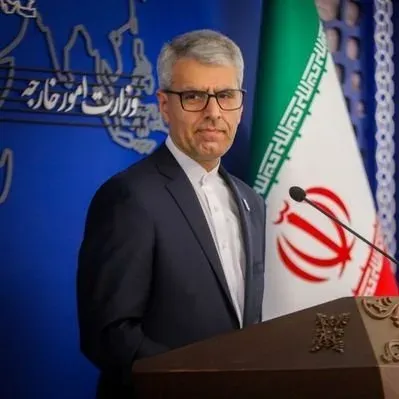
Trump rejected any arrangement giving Iran and Oman joint control of the Strait of Hormuz , insisting it remains 'international waters.' Iranian state TV reported an unofficial draft deal that would restore shipping through the strait within one month ; the US called this 'a complete fabrication.' On 24 May 2025 , Omani Foreign Minister Al Busaidi and Iranian Deputy FM Kazem Gharibabadi met to discuss maritime navigation and regional developments.
Iranian FM Seyed Abbas Araghchi sent a verbal message to Oman reaffirming commitment to safe, sustainable navigation through the strait.
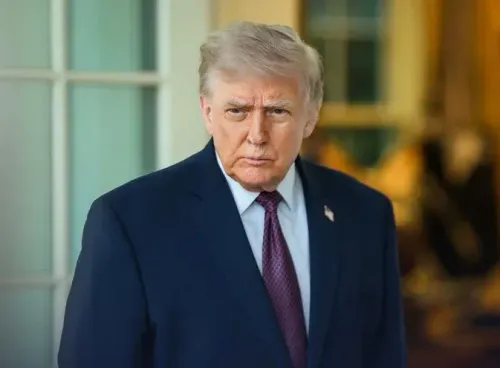
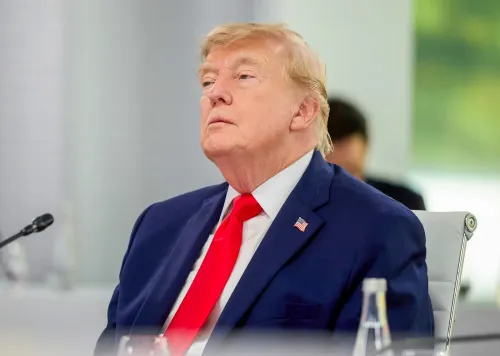
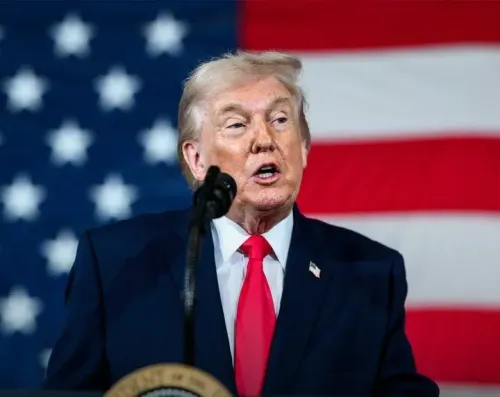
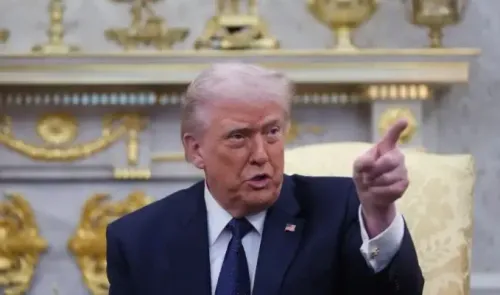
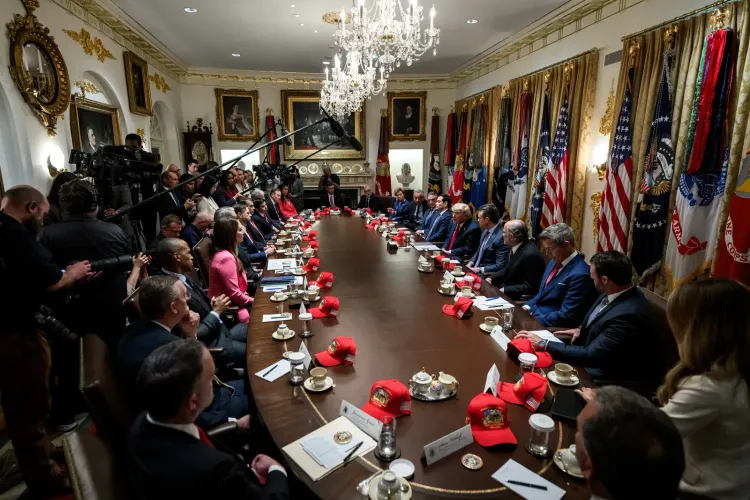
US President Donald Trump on Wednesday, 28 May 2025 issued a stark warning to Oman, saying the Gulf nation must 'behave just like everybody else or we'll have to blow 'em up,' as delicate negotiations between Washington and Tehran over the Strait of Hormuz enter a critical phase. The remarks, made during a cabinet meeting at the White House, signal Washington's firm stance on control of the strategic waterway even as back-channel diplomacy continues.
Trump's Position on the Strait of Hormuz
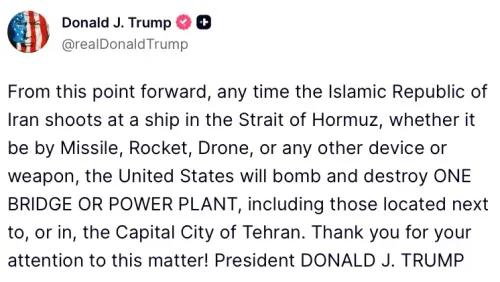
Responding to reporters' questions about whether he would accept a short-term arrangement allowing Iran and Oman to jointly manage the Strait of Hormuz, Trump was unequivocal. 'No, the strait's going to be open to everybody,' he said. 'It's international waters. Nobody's going to control it. We're going to watch over it. We'll watch over it, but nobody's going to control it. That's part of the negotiation that we have.'
The warning to Oman followed those remarks directly, with Trump adding: 'Oman will behave just like everybody else or we'll have to blow 'em up.' The statement drew immediate attention given Oman's role as a quiet but active intermediary in the ongoing US-Iran diplomatic process.
What Triggered the Remarks
Trump's comments came in response to a report by Iranian state television, which claimed to have obtained an unofficial draft of a US-Iran agreement. According to that report, the proposed framework would restore commercial shipping through the Strait of Hormuz to pre-war levels within one month, with Iran and Oman jointly managing maritime traffic. The draft reportedly also called for the United States to lift its blockade of Iranian ports and withdraw military forces from Iran's vicinity.
The US side swiftly dismissed the Iranian report as 'a complete fabrication,' underscoring the deep mistrust that continues to shadow the negotiations.
Oman's Diplomatic Role
Despite Trump's warning, Oman has remained an active diplomatic channel between the two sides. On 24 May 2025, Omani officials led by Foreign Minister Sayyid Badr bin Hamad Al Busaidi held talks with an Iranian delegation headed by Deputy Foreign Minister Kazem Gharibabadi. The discussions centred on freedom of navigation through the Strait of Hormuz and broader regional developments.
According to a statement by Oman's Foreign Ministry, both sides examined the principles governing freedom of navigation in line with international law, and discussed measures to strengthen maritime safety, trade flows, and supply chains.
Iran's Message Through Oman
During the 24 May meeting, Al Busaidi received a verbal message from Iranian Foreign Minister Seyed Abbas Araghchi regarding the ongoing US-Iran talks. The message, according to the Omani Foreign Ministry statement, underlined both countries' commitment to restoring freedom of navigation through the Strait of Hormuz in a 'safe and sustainable manner.'
This is notably the third round of indirect US-Iran engagement in recent weeks, with Oman serving as the primary conduit — a role it has played in past negotiations as well, including during the 2013-2015 nuclear talks.
What Happens Next
The contradictions between Washington's public posture and the reported draft framework suggest the talks remain far from a formal agreement. With Trump publicly rejecting any joint control arrangement and the US dismissing Iran's characterisation of the draft, the path to a durable deal appears narrow. The Strait of Hormuz — through which roughly 20% of global oil supply passes — remains the central flashpoint, and any escalation in rhetoric risks unsettling global energy markets.
Point of View
Or it may be a public posture designed to preserve negotiating leverage — the difference matters enormously. What is clear is that the Strait of Hormuz has moved from a background concern to the central bargaining chip, and with roughly 20% of global oil supply transiting it daily, the cost of a breakdown is not abstract. The deeper risk is that Trump's rhetoric, however transactional in intent, could harden Iranian domestic opposition to any deal and undermine the very intermediary — Oman — that makes these talks possible.
NationPress
24 Sept 2026
Frequently Asked Questions
Why did Trump warn Oman during the US-Iran talks?
Trump warned Oman not to interfere in negotiations over the Strait of Hormuz, saying the waterway must remain open to all and that the US would 'watch over it.' He made the remarks on 28 May 2025 after Iranian state TV reported a draft deal that would give Iran and Oman joint control of the strait — an arrangement Trump flatly rejected.
What did Iranian state TV claim about the US-Iran draft deal?
Iranian state television reported obtaining an unofficial draft agreement that would restore commercial shipping through the Strait of Hormuz to pre-war levels within one month, with Iran and Oman jointly managing traffic. The framework also reportedly included a US withdrawal of military forces from Iran's vicinity and a lifting of the blockade on Iranian ports. The US dismissed the report as 'a complete fabrication.'
What role is Oman playing in the US-Iran negotiations?
Oman is serving as a key diplomatic intermediary, maintaining direct contact with Iranian officials on Strait of Hormuz navigation and broader regional issues. On 24 May 2025, Omani Foreign Minister Al Busaidi met Iranian Deputy FM Kazem Gharibabadi and also received a verbal message from Iranian FM Araghchi regarding the ongoing talks.
Why is the Strait of Hormuz so significant in these negotiations?
The Strait of Hormuz is one of the world's most critical shipping chokepoints, with roughly 20% of global oil supply passing through it. Control over or disruption to the strait has direct consequences for global energy markets and regional security, making it a central issue in any US-Iran diplomatic framework.
Where do the US-Iran talks stand as of late May 2025?
The talks remain fragile. The US and Iran are publicly at odds over the characterisation of any draft agreement, with Washington calling the Iranian state TV report a fabrication. Oman continues to facilitate back-channel communication, but a formal deal appears distant given the contradictions between both sides' public positions.