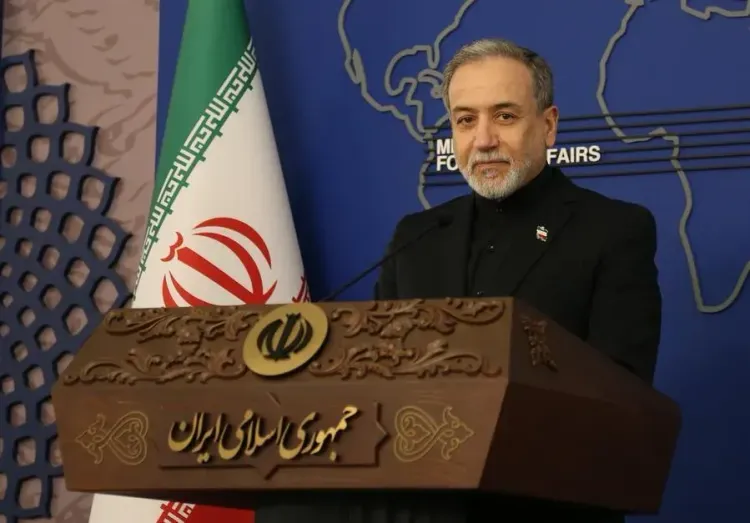
Iran FM Araghchi says US 'crushing economic operation' doomed to fail
Synopsis
Iran's Foreign Minister Araghchi fired back at Trump's 'Economic D-Day' declaration with a blunt four-point history lesson — every major US pressure campaign against Tehran has failed, he argued, and this one will too. With the 60-day MoU negotiating window now expired and no deal in sight, the US-Iran standoff is entering a new and more volatile phase.
Key Takeaways
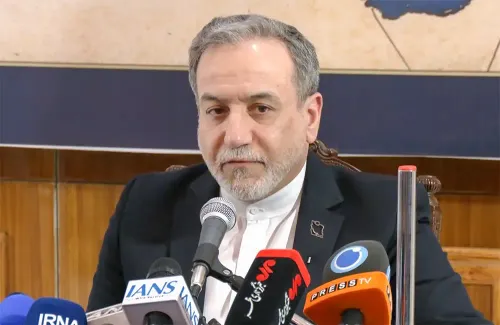
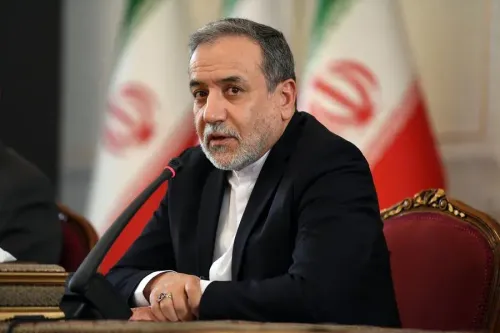
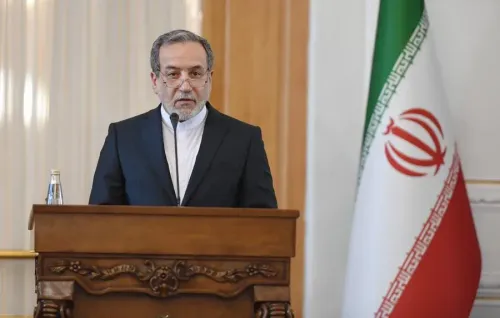
Iranian Foreign Minister Seyed Abbas Araghchi on 22 August said the latest US economic offensive against Iran is 'bound to fail,' citing failed campaigns over the past 14 years .
US President Donald Trump announced 'the most crushing economic operation ever taken' on Wednesday , calling it an 'ECONOMIC D-DAY' on Truth Social.
Deputy FM Kazem Gharibabadi said the US is relabelling its failures as an 'economic war,' noting Washington is seeking help from allies even as it claims Iran is 'on the verge of collapse.' A US-Iran MoU signed on 18 June set a 60-day negotiating window to reach a final agreement — that deadline expired Monday with no deal.
Trump's new measures target countries providing a 'lifeline' to Iran, signalling a broad secondary-sanctions approach.
Iranian Foreign Minister Seyed Abbas Araghchi on 22 August declared that the latest US economic offensive against Iran will fail, just as Washington's previous coercive campaigns have, citing a pattern stretching back 14 years. The statement came hours after US President Donald Trump announced what he called 'the most crushing economic operation ever taken' against any country that provides a lifeline to Tehran.
Araghchi's Pointed Rebuttal
In a post on social media platform X, Araghchi laid out a pointed historical scorecard: '14 years ago: 'Most crippling sanctions in history.' Failed. 8 years ago: 'Maximum pressure.' Failed. 5 months ago: 'Unconditional surrender.' Failed. Today: 'Most crushing economic operation ever.' Bound to fail.' The message was a direct challenge to Washington's escalatory framing, drawing a straight line from past pressure campaigns to what Tehran views as a recurring cycle of overreach and underdelivery.
Trump's Announcement and Its Framing
President Trump unveiled the new measures on Wednesday, posting on Truth Social that this would be 'Economic Warfare and Isolation on an unprecedented scale,' describing the move as an 'ECONOMIC D-DAY.' The announcement targets any country that continues to provide economic support to Iran, effectively broadening pressure beyond Tehran to its trading partners and allies.
Tehran's Deputy FM Weighs In
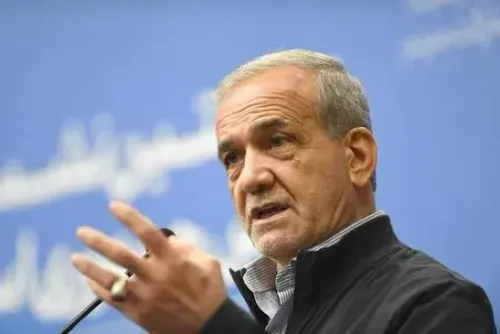
Iranian Deputy Foreign Minister for Legal and International Affairs Kazem Gharibabadi also pushed back, arguing that the United States is rebranding its pressure campaign under the label of 'economic war' to obscure earlier failures. According to reports citing Iran's official news agency, Gharibabadi noted the contradiction in Washington's position: while the US claims Iran is 'on the verge of collapse,' it is simultaneously reaching out to all its allies for assistance. 'To cover up its failure, the United States has to create an even bigger failure,' Gharibabadi said, adding that the military war had failed to deliver results and Washington was now calling the next defeat an 'economic war.'
Background: The Collapsed 60-Day Negotiation Window
The escalation follows a significant diplomatic breakdown. On 18 June, the United States and Iran signed a memorandum of understanding (MoU) aimed at ending hostilities across the region, including in Lebanon. Under the MoU, both sides were to hold negotiations within a 60-day window — a deadline that expired on Monday. No final agreement was reached, and the fate of those talks remains unclear following a sharp escalation between the two countries last month.
What Comes Next
With the MoU's negotiating window now closed and both sides trading escalatory rhetoric, the diplomatic path forward is uncertain. The breadth of Trump's new measures — targeting third-party countries that trade with Iran — signals a secondary-sanctions approach that could strain US relations with allies in Asia and Europe who maintain economic ties with Tehran. Iran's consistent posture of defiance, backed by a record of outlasting prior pressure rounds, suggests a prolonged standoff rather than a quick resolution.
Point of View
Cited, and remembered. Tehran has learned that surviving US pressure is itself a form of victory, and Araghchi is banking that record. The real story, however, is the collapsed MoU: both sides signed a framework in June, ran a 60-day clock, and walked away with nothing. That failure is what is driving the current escalation, not the other way around. Trump's 'Economic D-Day' framing raises the rhetorical stakes enormously, but secondary sanctions that punish US allies carry their own diplomatic cost — one that Washington has historically underestimated.
NationPress
6 Oct 2026
Frequently Asked Questions
What did Iran's Foreign Minister say about the new US economic operation?
Foreign Minister Seyed Abbas Araghchi said the US 'most crushing economic operation ever' is bound to fail, just as previous American pressure campaigns — including the 'most crippling sanctions in history' and 'maximum pressure' — have failed over the past 14 years. He made the remarks in a post on social media platform X on 22 August.
What did Trump announce regarding Iran?
US President Donald Trump announced what he described as 'the most crushing economic operation ever taken' against any country providing a lifeline to Iran, calling it 'Economic Warfare and Isolation on an unprecedented scale' and an 'ECONOMIC D-DAY' in a Truth Social post on Wednesday.
What was the US-Iran MoU signed in June, and what happened to it?
On 18 June, the United States and Iran signed a memorandum of understanding (MoU) aimed at ending hostilities across the region, including in Lebanon. The two sides were to negotiate a final agreement within 60 days, but that deadline expired on Monday without a deal, and the talks' future remains uncertain following last month's escalation.
What did Iran's Deputy Foreign Minister Gharibabadi say?
Deputy Foreign Minister Kazem Gharibabadi argued that the US is using the 'economic war' label to cover up its previous failures. He also pointed out the contradiction in Washington claiming Iran is 'on the verge of collapse' while simultaneously seeking help from all its allies.
Who is most affected by Trump's new economic measures against Iran?
Beyond Iran itself, the measures target third-party countries that continue to provide economic support to Tehran — a secondary-sanctions approach that could pressure US allies in Asia and Europe who maintain trade ties with Iran.