Iran's Pezeshkian declares 'all-out' war on economic, military fronts amid US pressure
Synopsis
Iran’s President Pezeshkian has openly declared an ‘all-out’ economic, military, and security war — and with Trump calling his own sanctions blitz an ‘Economic D-Day,’ a June MoU that briefly promised de-escalation now looks like a dead letter. The 60-day negotiation window has closed with no agreement, and Tehran is warning its neighbours not to join Washington’s pressure campaign.
Key Takeaways
President Masoud Pezeshkian on 23 August declared Iran is in an ‘all-out’ economic, military, and security war with its enemies.
Foreign Minister Seyed Abbas Araghchi said the US ‘has no other way but to speak respectfully’ with Iran, dismissing Trump’s measures as a ‘recurring scenario.’ US President Donald Trump announced ‘the most crushing economic operation ever taken’ against countries aiding Iran, calling it an ‘ECONOMIC D-DAY.’ A US-Iran MoU signed on 18 June set a 60-day window for final negotiations; that deadline has now passed with no agreement.
Mohsen Rezaei of Iran’s Supreme National Security Council warned neighbouring states against joining the US pressure campaign, threatening to treat them as enemies.
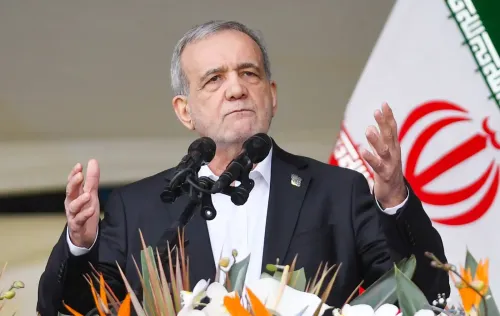
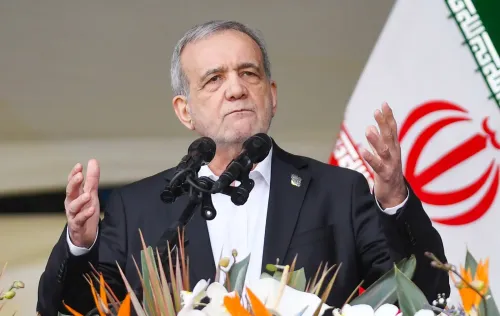
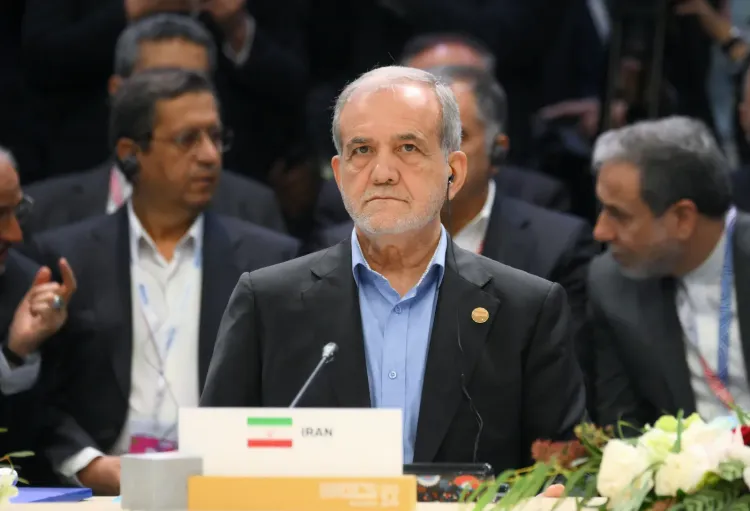
Iranian President Masoud Pezeshkian on Sunday, 23 August declared that Iran is engaged in an ‘all-out’ economic, military, and security war with what he called the country’s ‘enemies,’ as Washington escalates its pressure campaign against Tehran. Speaking in a nationally televised address, Pezeshkian vowed that despite the unequal nature of the conflict, Iran was ‘standing and making efforts to serve the people.’
Pezeshkian’s Warning to the Nation
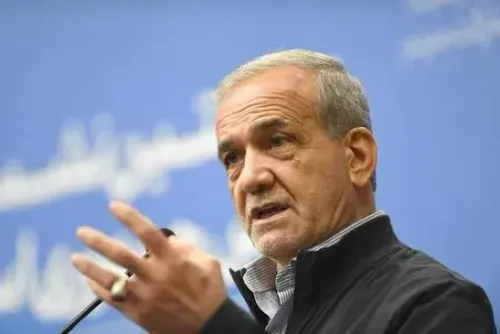
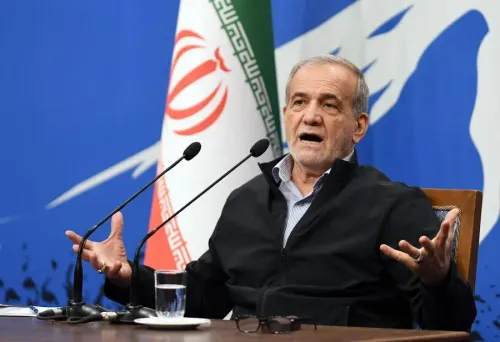
In his speech, President Pezeshkian acknowledged the severity of the economic strain on Iranian citizens but insisted the government was making ‘wholehearted’ efforts to reduce inflation and resolve the public’s financial difficulties. The remarks signal a deliberate attempt by Tehran’s leadership to frame the crisis as an externally imposed conflict rather than a domestic policy failure — a framing consistent with Iranian state messaging over the past decade of sanctions.
Iran’s Foreign Minister Pushes Back on Washington
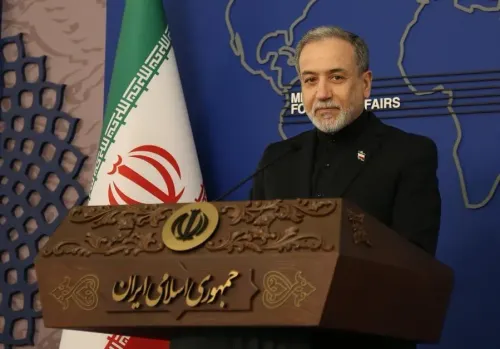
Iranian Foreign Minister Seyed Abbas Araghchi echoed the defiant tone, stating in a separate Sunday statement that the United States ‘has no other way but to speak respectfully with the Iranian people.’ He described the latest US economic operation as ‘a recurring scenario and the same bullying that always occurs in US policies,’ adding: ‘In a sense, it is a repetitive film that we have watched over and over and know how to deal with.’
Trump’s ‘Economic D-Day’ Declaration
The escalation follows a Wednesday post by US President Donald Trump on Truth Social, in which he announced ‘the most crushing economic operation ever taken’ against any country providing a lifeline to Iran. Trump called the move ‘Economic Warfare and Isolation on an unprecedented scale,’ labelling it an ‘ECONOMIC D-DAY.’ The announcement marks a sharp pivot from the diplomatic track the two countries had briefly pursued.
The Collapsed MoU and Stalled Negotiations
Notably, on 18 June, the United States and Iran had signed a memorandum of understanding (MoU) aimed at ending regional hostilities, including in Lebanon. Under its terms, both sides were to hold negotiations within 60 days — a window that closed on Monday — to finalise a comprehensive agreement. The fate of those talks now remains deeply uncertain following last month’s escalation between the two nations.
Iran Warns Neighbouring Countries
A senior Iranian security official, Mohsen Rezaei, Secretary of Iran’s Supreme National Security Council, on Saturday warned neighbouring and other states against joining the US pressure campaign. Speaking to state-run IRIB TV, Rezaei said Tehran would regard any such participating country as an ‘enemy,’ though he added that Iran would first seek dialogue to persuade them not to join what he characterised as Washington’s ‘economic war.’ This comes amid broader regional anxiety about being caught between US sanctions architecture and Iranian retaliation.
With the 60-day MoU negotiation window now expired and both sides hardening their rhetoric, the diplomatic path forward appears increasingly narrow.
Point of View
And neither side has offered a credible off-ramp. Trump’s ‘Economic D-Day’ language raises the stakes rhetorically, but Iran’s warning to neighbours reveals a real fear — that third-country compliance with US sanctions could tighten the noose in ways that bluster cannot deflect. The next flashpoint may not be Washington or Tehran, but the capitals in between.
NationPress
8 Oct 2026
Frequently Asked Questions
What did Iran's President Pezeshkian say about the conflict with the US?
President Masoud Pezeshkian said on 23 August that Iran is engaged in an 'all-out' economic, military, and security war with its enemies. Despite US pressure, he said Iran was 'standing and making efforts to serve the people' and pledged 'wholehearted' efforts to reduce inflation.
What is Trump's 'Economic D-Day' against Iran?
US President Donald Trump announced on a Wednesday Truth Social post what he called 'the most crushing economic operation ever taken' against any country providing a lifeline to Iran. He described it as 'Economic Warfare and Isolation on an unprecedented scale' and labelled it an 'ECONOMIC D-DAY.'
What happened to the US-Iran MoU signed in June?
The United States and Iran signed a memorandum of understanding on 18 June aimed at ending regional hostilities, with a 60-day window to reach a final agreement. That deadline has now passed without a deal, and the fate of the talks is unclear following a sharp escalation between the two sides.
What did Iran's security chief warn neighbouring countries about?
Mohsen Rezaei, Secretary of Iran's Supreme National Security Council, warned neighbouring and other states on Saturday against joining the US economic pressure campaign against Iran. He said Tehran would regard any such country as an 'enemy,' though Iran would first seek dialogue before taking further steps.
How did Iran's Foreign Minister respond to US sanctions pressure?
Foreign Minister Seyed Abbas Araghchi said the US 'has no other way but to speak respectfully with the Iranian people.' He characterised the latest US economic operation as 'a recurring scenario and the same bullying that always occurs in US policies,' saying Iran knows how to deal with it.