Iran warns any US economic war ally faces 'act of war' response
Synopsis
Iran's Supreme National Security Council secretary Mohsen Rezaei has threatened to treat any nation supporting the US economic campaign against Tehran as an 'act of war' — and to shut the Strait of Hormuz entirely. With the June Iran-US MoU's 60-day negotiation window now expired and Trump declaring an 'Economic D-Day,' the standoff is entering its most dangerous phase yet.
Key Takeaways
Mohsen Rezaei , secretary of Iran's Supreme National Security Council , warned on 24 August that any country backing the US economic campaign against Iran will be considered to have committed an 'act of war.' US President Donald Trump announced on Truth Social the 'most crushing economic operation ever taken' against nations providing a lifeline to Iran , calling it an 'ECONOMIC D-DAY.' Rezaei threatened to shut the Strait of Hormuz — through which roughly 20% of global oil trade passes — if surrounding countries join a US-led siege.
The Iran-US memorandum of understanding signed on 18 June required both sides to reach a final agreement within 60 days ; that deadline has now passed with no deal confirmed.
Rezaei stated that Tehran has developed methods to bypass US sanctions and sustain oil exports, and that the Hormuz Strait will stay closed until Washington fulfils its MoU commitments.
A senior Iranian security official has warned that Tehran will treat any nation's participation in or backing of the United States' sweeping anti-Iran economic campaign as an 'act of war' — a sharp escalation in rhetoric that follows US President Donald Trump's announcement of what he called the most punishing economic operation ever launched against any country.
What Rezaei Said
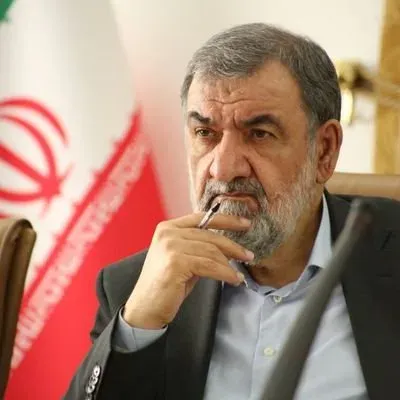
Mohsen Rezaei, secretary of Iran's Supreme National Security Council, issued the warning in a social media post, stating: 'If the economic war continues, not a single drop of oil will be exported, neither through the Strait of Hormuz nor from anywhere in the Persian Gulf. Iran will regard any country's participation in or support for America's economic war against the Iranian people as an act of war.'
Rezaei had earlier made similar remarks in an interview with state-run IRIB TV on Saturday, warning that Tehran would first seek to negotiate with any country drawn into the conflict, but would 'strike their interests' if they refused to stay out. He specifically cautioned that surrounding nations joining a US-led siege would trigger a full closure of the Strait of Hormuz — a critical global oil transit chokepoint.
Trump's 'Economic D-Day' Declaration
The Iranian response came directly after Trump posted on Truth Social on Wednesday, announcing 'the most crushing economic operation ever taken' against any country that provides a financial lifeline to Iran. Trump described the move as 'Economic Warfare and Isolation on an unprecedented scale,' branding it an 'ECONOMIC D-DAY.'
The declaration represented a significant hardening of the US position and appeared to target third-party nations — including potential trade partners of Iran — with the threat of secondary economic consequences.
The Hormuz Threat and Oil Leverage
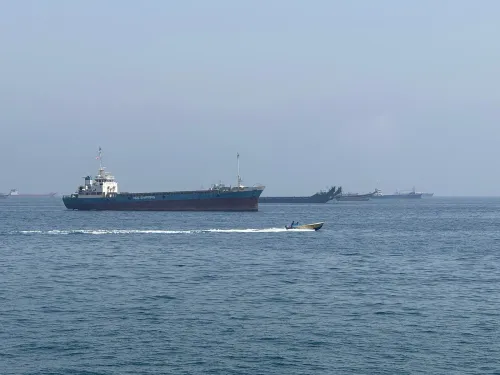
Rezaei's warning about the Strait of Hormuz carries significant weight: roughly 20% of global oil trade transits the waterway daily. A closure, even a partial or temporary one, would send energy prices sharply higher and disrupt supply chains across Asia, Europe, and beyond.
Rezaei also noted that Iran has developed extensive mechanisms over the years to circumvent US sanctions and sustain oil exports — signalling that Tehran does not see itself as economically defenceless even under maximum pressure. He added that the Hormuz Strait would remain closed unless Washington fulfils its commitments under the Iran-US peace memorandum of understanding signed in June, insisting that the US must act first.
The June MoU and Stalled Talks
On 18 June, the United States and Iran signed a memorandum of understanding aimed at ending hostilities across the region, including in Lebanon. Under the MoU, both sides were to hold negotiations within 60 days — a window that closed on Monday — with the goal of reaching a final agreement.
The fate of those talks remains unclear following a fresh escalation between the two countries last month. The current exchange of threats suggests the diplomatic track is under severe strain, with both sides hardening their positions publicly before any resumed dialogue.
What Comes Next
The standoff now hinges on whether third-party nations — particularly major importers of Iranian oil such as China and India — will respond to US pressure or risk being labelled hostile by Tehran. Both the economic and security dimensions of this crisis are likely to intensify in the coming days as the 60-day MoU deadline passes without a final agreement in place.
Point of View
Particularly China and India, from bending to US secondary sanctions pressure. The Hormuz threat is Iran's most potent asymmetric card, and deploying it publicly signals that Tehran believes the June MoU is effectively dead. What mainstream coverage underplays is the bind this creates for Asian oil importers: comply with Washington and risk Iranian retaliation, or defy Washington and face US secondary sanctions. The 60-day MoU deadline passing without a deal is the real story here — the war of words is a symptom of a diplomatic collapse that neither side has yet publicly acknowledged.
NationPress
8 Oct 2026
Frequently Asked Questions
What did Iran's security official warn about the US economic operation?
Mohsen Rezaei, secretary of Iran's Supreme National Security Council, warned that Tehran will treat any country participating in or supporting the US economic campaign against Iran as having committed an 'act of war.' He also threatened to halt all oil exports through the Strait of Hormuz if surrounding nations join the US-led pressure campaign.
What did Trump announce that triggered Iran's response?
US President Donald Trump posted on Truth Social announcing 'the most crushing economic operation ever taken' against any country providing a financial lifeline to Iran, describing it as 'Economic Warfare and Isolation on an unprecedented scale' and calling it an 'ECONOMIC D-DAY.'
What is the Iran-US memorandum of understanding signed in June?
On 18 June, the United States and Iran signed a memorandum of understanding aimed at ending hostilities across the region, including in Lebanon. Both sides were scheduled to hold negotiations within 60 days to finalise a comprehensive agreement, but that deadline has now passed without a confirmed deal amid fresh escalation.
Why is the Strait of Hormuz threat significant?
The Strait of Hormuz is one of the world's most critical oil transit chokepoints, with roughly 20% of global oil trade passing through it daily. A closure would sharply drive up global energy prices and disrupt supply to major importers across Asia and Europe.
How has Iran managed to sustain oil exports despite existing sanctions?
According to Rezaei, Iran has developed extensive mechanisms over the years to bypass US sanctions and continue oil sales. He cited this experience as evidence that Tehran is not without leverage even under maximum economic pressure from Washington.