Iran defence minister warns forces ready to counter any threat amid US tensions
Synopsis
Iran's Acting Defence Minister publicly declared the armed forces ready to counter any threat — hours after Trump threatened to 'hit Iran very hard' if the Strait of Hormuz is not reopened. With Tehran flatly denying any ongoing talks that Washington claims are happening, the two sides are operating on contradictory narratives, raising the risk of dangerous miscalculation over one of the world's most critical energy chokepoints.
Key Takeaways
Brigadier General Majid Ebn-e-Reza , Iran's Acting Defence Minister, declared on 6 August that Iranian forces are fully equipped to respond to any threat.
US President Donald Trump warned Iran would be 'hit very hard' if the Strait of Hormuz is not reopened, calling it a 'last chance before decapitation.' Trump claimed the US is in 'very good discussions' with Iran; Tehran denied any negotiations are taking place.
Iranian Foreign Ministry Spokesperson Esmaeil Baqaei stated: 'We are not holding any negotiations with the United States at present.' The Strait of Hormuz carries approximately 20% of the world's traded oil and is a critical global energy corridor.
Foreign Minister Abbas Araghchi was reportedly on a pilgrimage to Iraq during the escalation.
Iran's Acting Defence Minister, Brigadier General Majid Ebn-e-Reza, on Thursday, 6 August declared that the Iranian Armed Forces are fully prepared to respond to any threat, citing the country's self-reliant domestic defence industry. The statement comes at a moment of sharply escalating rhetoric between Tehran and Washington, with US President Donald Trump threatening military strikes and demanding the reopening of the Strait of Hormuz.
What the Acting Defence Minister Said
'Every day, the signs of the enemy's erosion of power become more evident; however, our Armed Forces, relying on the country's defence industry, are fully equipped to respond to any threat,' Ebn-e-Reza said, according to Iran's official Islamic Republic News Agency (IRNA), in a message shared on his social media account.
He further warned that nations seeking to purchase security and military superiority from foreign suppliers would soon discover that Iran's indigenous technology surpasses any system deployed in the region. The remarks signal Tehran's intent to project deterrence through domestic capability rather than diplomatic accommodation.
Trump's Strait of Hormuz Ultimatum
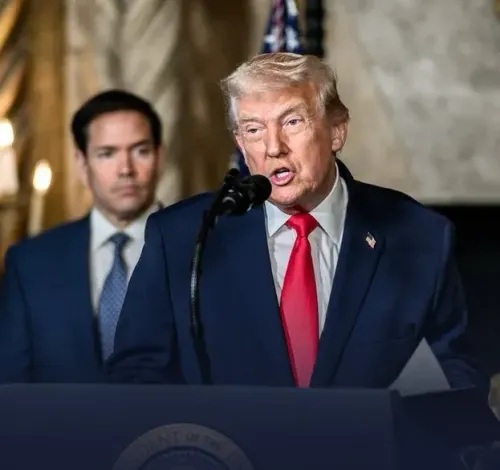
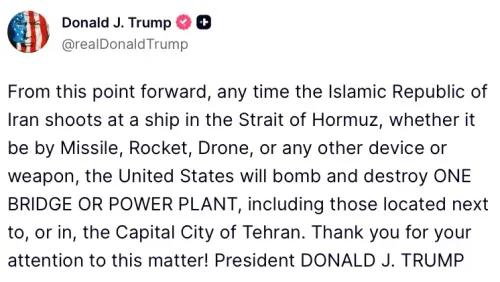
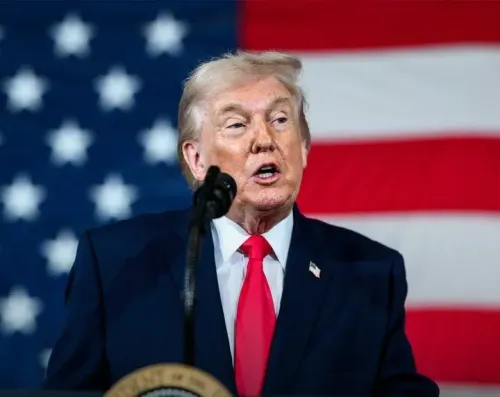
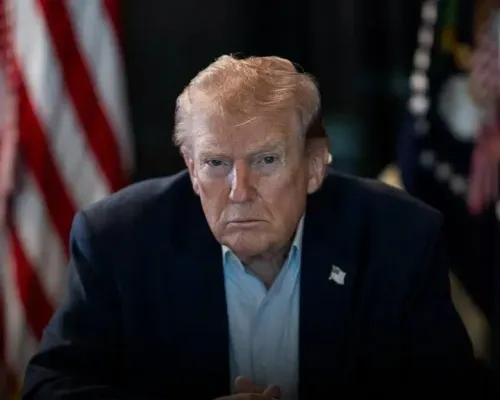
US President Donald Trump on Tuesday (US local time) warned that Iran would be 'hit very hard' if the Strait of Hormuz is not reopened 'very soon.' Speaking from the Oval Office on Monday, Trump had earlier framed the demand in stark terms, calling it a 'last chance before decapitation' and suggesting the strait could be reopened 'literally by tomorrow.'
'I mean they're going to go quickly, one way or the other. It's not very complex,' Trump said at the Oval Office. The Strait of Hormuz, which connects the Persian Gulf with the Gulf of Oman and the Arabian Sea, is one of the world's most critical energy corridors, channelling oil and Liquefied Natural Gas (LNG) exports from major Gulf producers to global markets.
Tehran Denies Any Talks with Washington
Despite Trump claiming in a Fox News interview that the United States is 'having very good discussions' with Iran, Tehran flatly rejected the assertion. Iranian Foreign Ministry Spokesperson Esmaeil Baqaei, speaking at a news briefing in Tehran hours before Trump's remarks, stated: 'We are not holding any negotiations with the United States at present.'
Baqaei also noted that, except for Foreign Minister Abbas Araghchi — who was on a pilgrimage to Iraq — all Iranian negotiators remained in Iran, further undercutting the US claim of active dialogue.
Strategic Stakes at the Strait of Hormuz
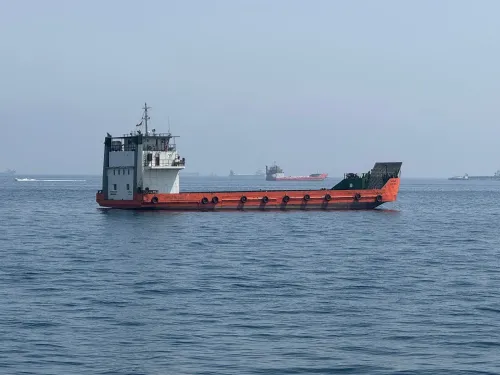
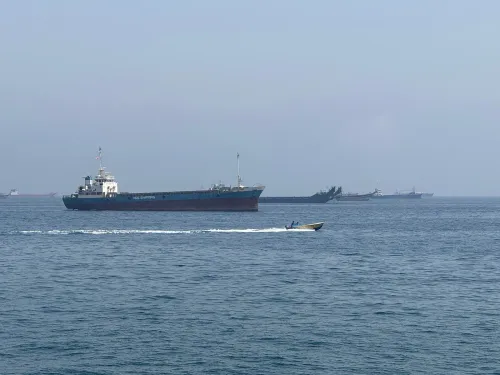
The standoff over the Strait of Hormuz carries outsized global consequences. Approximately 20% of the world's traded oil passes through the narrow waterway daily, making any disruption a potential shock to international energy markets. This is not the first time the strait has become a flashpoint; similar crises emerged in 2019 amid US-Iran tensions following Washington's withdrawal from the Iran nuclear deal.
Notably, Ebn-e-Reza's statement is the latest in a series of public postures by Iranian military officials underscoring readiness for conflict — a pattern that analysts say is as much about domestic messaging as external deterrence.
What Happens Next
With both sides publicly denying the other's narrative — the US claiming talks are under way, Iran denying them — the risk of miscalculation remains elevated. Energy markets and regional neighbours, particularly Gulf Cooperation Council (GCC) states, are closely watching whether the standoff escalates beyond rhetoric into action. Any move to restrict or close the strait would trigger immediate global economic consequences.
Point of View
The other denying them — are more alarming than the rhetoric itself. When two nuclear-threshold-adjacent powers cannot agree on whether they are even speaking, the space for miscalculation widens dangerously. Ebn-e-Reza's invocation of domestic defence industry superiority is partly deterrence theatre, but it also reflects a real structural shift: Iranian military self-sufficiency has deepened under years of sanctions, making external pressure a less reliable lever than it once was. The Strait of Hormuz ultimatum, meanwhile, risks drawing in GCC neighbours and energy markets in ways that would hurt US allies as much as Iran.
NationPress
20 Sept 2026
Frequently Asked Questions
What did Iran's Acting Defence Minister say about military readiness?
Brigadier General Majid Ebn-e-Reza stated on 6 August that Iran's Armed Forces, backed by the country's domestic defence industry, are fully equipped to respond to any threat. He also warned that Iran's indigenous technology is superior to any foreign-supplied military system in the region.
Why is the Strait of Hormuz at the centre of US-Iran tensions?
The Strait of Hormuz is one of the world's most critical energy chokepoints, connecting the Persian Gulf with the Gulf of Oman and the Arabian Sea. Roughly 20% of globally traded oil passes through it daily, making any closure a potential shock to international energy markets. US President Trump has demanded it be reopened, implying military action if it is not.
Did Trump threaten to strike Iran?
Yes. Trump warned on Tuesday (US local time) that Iran would be 'hit very hard' if the Strait of Hormuz is not reopened 'very soon.' He had earlier called it a 'last chance before decapitation' while speaking from the Oval Office on Monday.
Is the US negotiating with Iran over the Strait of Hormuz?
The US and Iran have offered contradictory accounts. Trump claimed in a Fox News interview that Washington is having 'very good discussions' with Tehran. However, Iranian Foreign Ministry Spokesperson Esmaeil Baqaei denied this, stating flatly: 'We are not holding any negotiations with the United States at present.'
Who is Iran's Acting Defence Minister?
Brigadier General Majid Ebn-e-Reza is currently serving as Iran's Acting Defence Minister. He made the readiness declaration on 6 August via a message on his social media account, as reported by Iran's official Islamic Republic News Agency (IRNA).