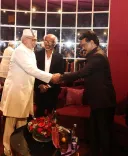
CM Bhajan Lal Backs Modi's Push to Modernise ITI Skill Training
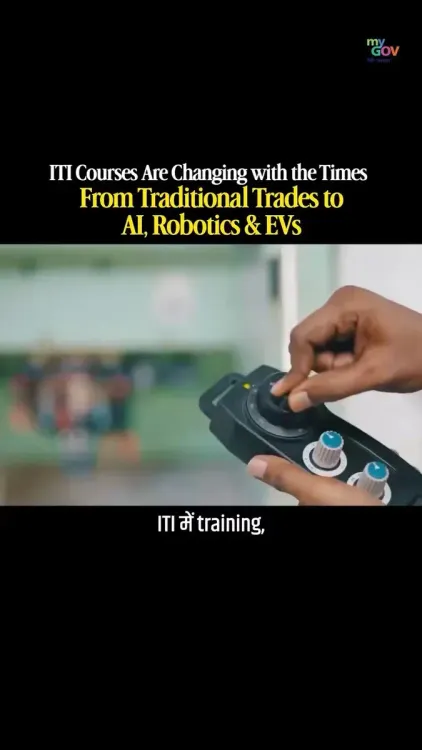
Synopsis
Rajasthan Chief Minister Bhajan Lal Sharma credited PM Narendra Modi on 22 November 2026 for modernising skill education through ITI expansion, quality improvements, and new-sector training opportunities aimed at securing youth employment across India.
Key Takeaways
Rajasthan CM Bhajan Lal Sharma praised PM Modi's skill education reforms on 22 November 2026 .
He highlighted three pillars: expansion of ITI institutions , improved training quality, and new-domain skill opportunities.
The Ministry of Skill Development and Entrepreneurship was created in 2014 to modernise vocational training.
The Skill India Mission and PMKVY , both launched in 2015 , form the policy backbone of these efforts.
State governments like Rajasthan are key implementation partners for central skilling schemes.
The push aligns with Make in India goals, targeting industry-ready talent in technology and manufacturing sectors.
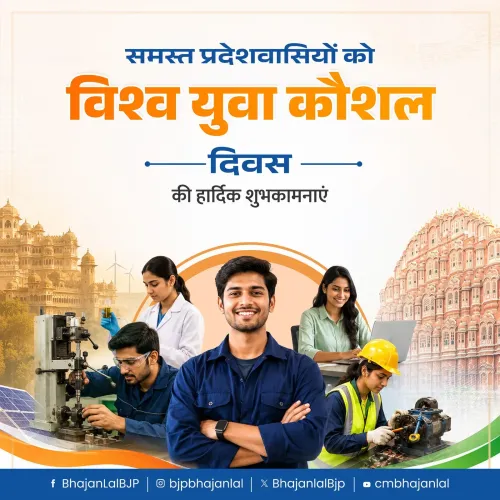
India's vast network of vocational institutes is getting a 21st-century overhaul — and Rajasthan Chief Minister Bhajan Lal Sharma wants the country's youth to know it. On Sunday, 22 November 2026, the BJP leader took to X to credit Prime Minister Narendra Modi for reshaping the nation's skill education landscape through expanded Industrial Training Institutes (ITIs), quality upgrades, and emerging-sector opportunities.
Sharma wrote that under Modi's leadership, 'kaushal shiksha ko aadhunik takneek aur udyogon ki badalti zarooraton ke anuroop nayi pehchaan mil rahi hai' — skill education is finding a new identity aligned with modern technology and the changing needs of industry. He pointed specifically to the expansion of ITI institutions, improvements in training quality, and new domains of skill development as the three pillars opening brighter futures for young Indians.
ITIs at the Centre of India's Employability Drive
Industrial Training Institutes have long been the backbone of India's vocational pipeline, sitting under the Ministry of Skill Development and Entrepreneurship, which the Modi government created in 2014 to consolidate and modernise the sector. The ambition was clear from day one: pull vocational training out of its outdated mould and lock it into the rhythms of manufacturing, technology, and services that actually hire.
That architecture got a wider roof in 2015 with the launch of the Skill India Mission and the Pradhan Mantri Kaushal Vikas Yojana (PMKVY), designed to deliver short-term, industry-certified training to millions of youth. The twin programmes set a template — standardise curriculum, engage employers early, hand out credentials that factories and tech firms actually recognise.
Rajasthan's Role in a National Skilling Story
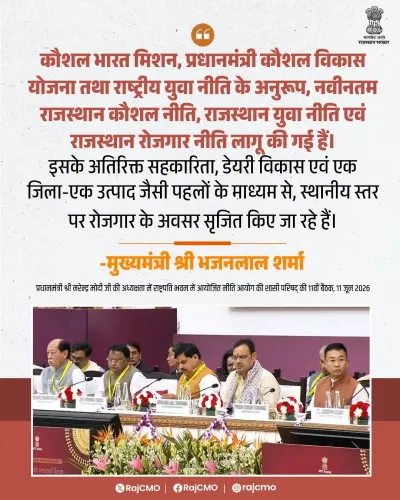
State governments are the last-mile delivery point for these central schemes, and Rajasthan — a state with a large youth population and significant manufacturing and services sectors — is a consequential test case. By amplifying the ITI expansion message, Sharma signals that his administration is leaning into the central framework rather than running a parallel track.
The broader national pattern is consistent: successive upgrades to ITI syllabi to include electronics, automation, and digital trades reflect the same industry alignment that Make in India demands from the shop floor up. When a state chief minister publicly frames this as a youth opportunity rather than a government scheme, the political communication is deliberate — skill training is being repositioned from a fallback option to a first-choice career path.
India's demographic dividend has a countdown clock. The window to convert a young population into a skilled workforce — before that bulge ages — is finite. Every upgraded ITI lab and every new-sector course is a wager on whether policy speed can match demographic urgency. That is the bet CM Sharma, and the Modi government, are publicly doubling down on.
Point of View
Industry-linked career launchpads has been a consistent thread across the Modi government's education communications since 2014. For Rajasthan specifically, with state budget cycles and upcoming parliamentary reviews of skill targets on the horizon, Sharma's endorsement signals alignment with central priorities at a moment when funding and institutional cooperation matter most. The broader question the skilling ecosystem still wrestles with is absorption — whether industry hiring keeps pace with the volume of certified graduates the expanded ITI network produces.
NationPress
22 Nov 2026
Frequently Asked Questions
What did Rajasthan CM Bhajan Lal Sharma say about skill education?
CM Bhajan Lal Sharma stated on 22 November 2026 that under PM Modi's leadership, India's skill education is gaining a new identity aligned with modern technology and evolving industry needs, citing ITI expansion, quality improvement, and new training sectors as key developments.
What is the Skill India Mission?
The Skill India Mission was launched in 2015 by the central government to train millions of youth in job-oriented, industry-aligned skills, complemented by the Pradhan Mantri Kaushal Vikas Yojana for short-term certified training.
What are ITI institutions in India?
Industrial Training Institutes (ITIs) are government-run vocational training centres under the Ministry of Skill Development and Entrepreneurship, offering practical, industry-focused courses to school-leavers across India.
What is the Ministry of Skill Development and Entrepreneurship?
It is a dedicated central ministry created in 2014 to consolidate and modernise India's vocational training ecosystem, including ITIs, with the goal of aligning skill education with industry requirements.
How does Rajasthan fit into India's skill development plan?
Rajasthan, as a state with a large youth population, implements central skilling schemes like PMKVY and ITI programmes through its own institutions, making it a key delivery partner in the national skill development drive.