Dr. Jitendra Singh inaugurates RSSDI Annual Conference in Bengaluru
Synopsis
Union Science Minister Dr. Jitendra Singh inaugurated the RSSDI Annual Academic Conference in Bengaluru on 20 November 2026, joining India's largest gathering of diabetes researchers for four days of deliberations aimed at advancing national diabetes research and healthcare policy.
Key Takeaways
Jitendra Singh , Union Minister of State (Independent Charge) for Science and Technology, inaugurated the RSSDI Annual Academic Conference on 20 November 2026 .
The venue is Aldovia Resorts and Convention, Bengaluru ; the conference runs for four days .
RSSDI is India's largest professional body of diabetes scholars, researchers and practitioners.
India carries one of the world's highest diabetes burdens, with prevalence rising in urban and rural areas alike.
National frameworks including the NPCDCS (2010) and National Health Policy 2017 identify diabetes as a research and care priority.
The minister's Science and Technology portfolio includes oversight of ICMR and DBT , key funders of diabetes research in India.
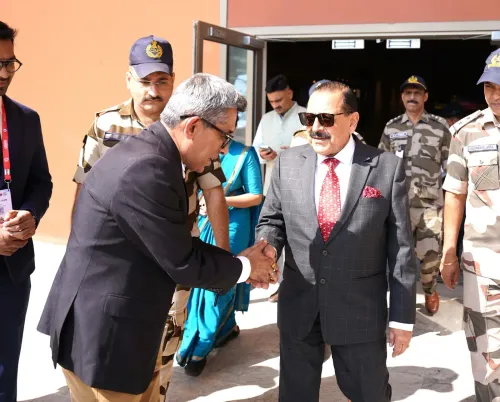
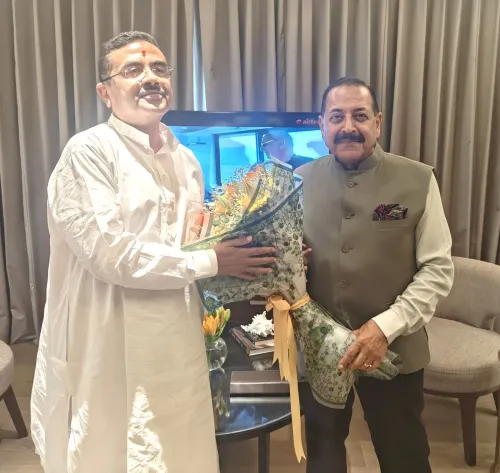
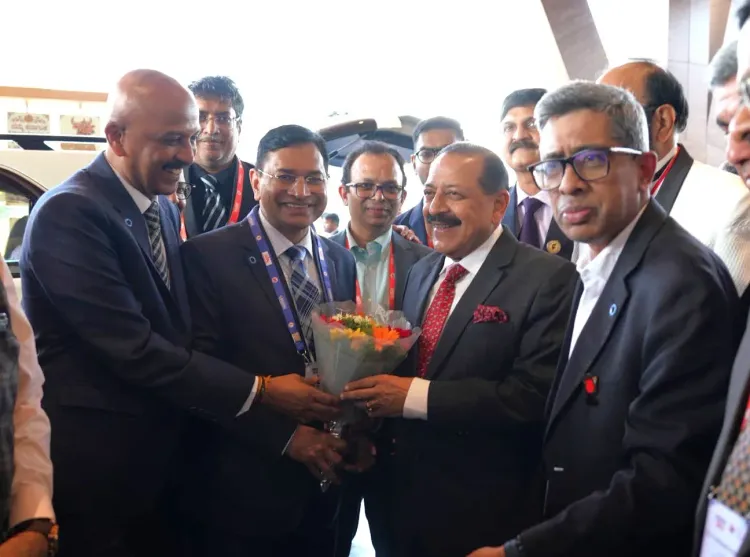
India's diabetes research community assembled under one roof on Friday, 20 November 2026, as Union Science and Technology Minister Dr. Jitendra Singh arrived at Aldovia Resorts and Convention, Bengaluru, to inaugurate the four-day Annual Academic Conference of the Research Society for Study of Diabetes in India (RSSDI) — the country's largest body of diabetes scholars, researchers and practitioners.
Posting on X, Dr. Singh described being 'grateful for the affectionate welcome extended by esteemed colleagues from across the country' and expressed anticipation for 'meaningful discussions and interactions on advancing Diabetes research and healthcare.' The gathering draws endocrinologists, clinicians and biomedical researchers from every corner of India to a single platform where laboratory findings meet clinical practice and, ultimately, national health policy.
Why RSSDI's Annual Meeting Carries Outsized Policy Weight
India carries one of the world's heaviest diabetes burdens, with prevalence climbing steeply in both urban centres and rural districts. The RSSDI, as the premier professional society for diabetes science in the country, functions not just as an academic forum but as a feeder institution — translating conference research into clinical guidelines that cascade into government programmes.
The national architecture for tackling the disease stretches back to the National Programme for Prevention and Control of Cancer, Diabetes, Cardiovascular Diseases and Stroke (NPCDCS), launched in 2010. India's National Health Policy 2017 doubled down on the priority, calling for sharper research, strengthened surveillance and more affordable care delivery. RSSDI gatherings have historically fed directly into those policy pipelines.
A Science Minister at a Medical Forum — The Significance of the Presence
Dr. Singh's portfolio spans Science and Technology, Earth Sciences, and oversight of key research bodies — making his appearance at a medical-research conference more than ceremonial. His ministry's agencies, including the Department of Biotechnology (DBT) and the Indian Council of Medical Research (ICMR), are central to funding and directing diabetes science in India. A minister's presence at such a forum signals that the science establishment is watching conference outputs for potential integration into national programmes, including Ayushman Bharat.
Bengaluru, Karnataka's capital and India's foremost hub for biotechnology and healthcare research, is a fitting venue — the city's dense cluster of research institutions and pharmaceutical players makes it a natural crucible for translating academic debate into scalable health solutions.
Four days of deliberation begin now. The question the diabetes community will want answered: which recommendations make it out of the conference hall and into the corridors of North Block.
Point of View
RSSDI conference outputs now have clearer institutional channels into policy than a decade ago. The move also reflects the Modi government's broader pivot toward preventive and research-led healthcare as a complement to insurance-driven access. Watch for any post-conference announcements on research grants or protocol updates — those will reveal how much of the academic energy translates into administrative action.
NationPress
20 Nov 2026
Frequently Asked Questions
What is RSSDI and why is it significant?
RSSDI, the Research Society for Study of Diabetes in India, is the country's largest professional body of diabetes researchers, clinicians and scholars. It sets clinical guidelines and feeds research recommendations into national health programmes.
Why did a Science Minister attend a diabetes conference?
Dr. Jitendra Singh's Science and Technology portfolio covers key bodies like ICMR and DBT that fund diabetes research. His presence signals potential alignment between RSSDI's academic outputs and national research funding or policy programmes.
What is India's national programme for diabetes?
India's National Programme for Prevention and Control of Cancer, Diabetes, Cardiovascular Diseases and Stroke (NPCDCS) was launched in 2010 to tackle rising non-communicable diseases, with diabetes identified as a priority area in the National Health Policy 2017.
How large is India's diabetes problem?
India has one of the world's largest diabetes populations, with prevalence rising sharply in both urban and rural settings, making domestic research capacity and affordable care delivery critical national priorities.
Where is the RSSDI 2026 Annual Conference being held?
The four-day RSSDI Annual Academic Conference is being held at Aldovia Resorts and Convention in Bengaluru , inaugurated on 20 November 2026 .