Pakistan SOEs post Rs 343 billion loss in H1 as privatisation push accelerates
Synopsis
Pakistan's state-owned enterprises bled Rs 342.8 billion in just six months, even as government bailouts hit a record Rs 804 billion. With the PIA deal done and three power utilities in due diligence, Islamabad is racing toward six privatisation closes by June 2027 — a make-or-break test of its IMF-backed reform agenda.
Key Takeaways
Pakistan's SOEs posted combined losses of Rs 342.8 billion in the first half of the current fiscal year .
Government support to SOEs surged 31 per cent to a record Rs 804 billion over the same period.
Management control of PIA was transferred to a consortium led by Arif Habib Corporation in June , injecting Rs 80 billion in fresh equity and generating Rs 10 billion for the government.
Three power utilities — Islamabad Electric Supply Company , Gujranwala Electric Power Company , and Faisalabad Electric Supply Company — are in the due diligence stage .
Pakistan targets at least six privatisation deals by June 2027 , aiming to raise between Rs 150 billion and Rs 200 billion .
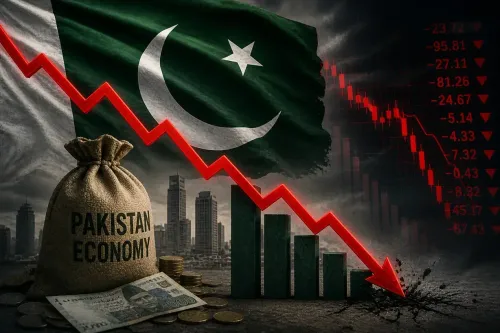
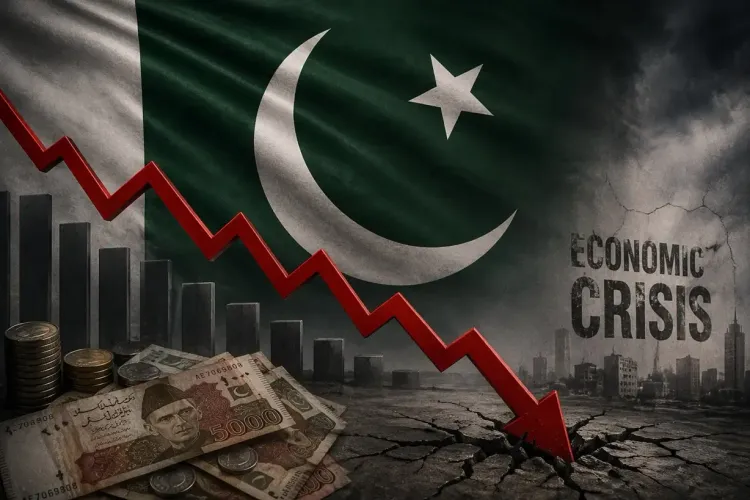
Pakistan's loss-making state-owned enterprises (SOEs) recorded combined losses of Rs 342.8 billion (Pakistani rupees) during the first half of the current fiscal year, underscoring the deepening financial strain that public-sector companies continue to impose on the country's economy. The figures emerged as Islamabad accelerates a sweeping privatisation programme aimed at reducing the government's commercial footprint.
Government Support to SOEs Hits Record High
According to an analysis cited in reports, government support extended to state-owned enterprises surged 31 per cent to a record Rs 804 billion during the period, reflecting growing pressure on public finances. Despite this, overall government receipts from SOEs stood at Rs 839.8 billion — marginally exceeding the support disbursed — resulting in a slim positive net fiscal contribution.
Analysts cited in the report argued that repeated financial bailouts to struggling enterprises divert resources from critical areas such as education, healthcare, and social welfare, and that the government's role should centre on policymaking and regulation rather than the direct operation of commercial businesses.
PIA Transfer Marks a Major Milestone
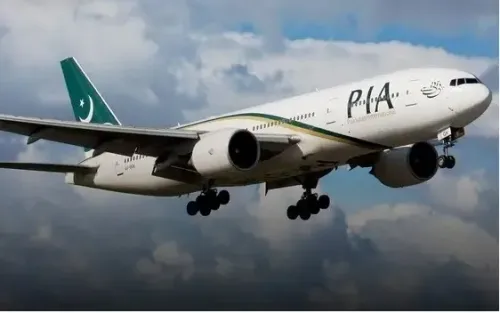
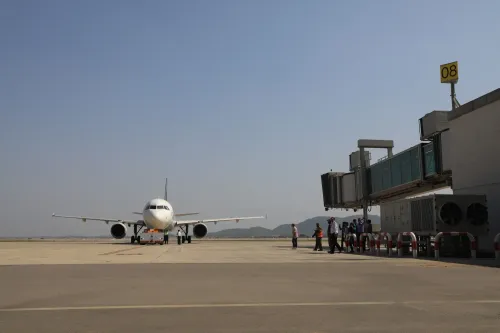
The government transferred management control of Pakistan International Airlines (PIA) to a consortium led by Arif Habib Corporation in June this year, marking a significant step in restructuring loss-making public businesses. The transaction brought fresh equity worth Rs 80 billion into the airline and generated Rs 10 billion for the government, with additional proceeds expected from subsequent phases of the deal.
Power Sector Utilities Enter Due Diligence
The planned sale of three electricity distribution companies — Islamabad Electric Supply Company, Gujranwala Electric Power Company, and Faisalabad Electric Supply Company — has moved into the due diligence stage. These utilities are among the government's priority transactions as it seeks private-sector participation to improve operational efficiency in Pakistan's power distribution sector, which has long been a source of fiscal stress.
Privatisation Targets and What Lies Ahead
Pakistan is targeting at least six privatisation deals by June 2027, with proceeds expected to range between Rs 150 billion and Rs 200 billion. The planned transactions span power utilities, financial institutions, and airport operations. This comes amid sustained pressure from international lenders, including the IMF, which has made structural fiscal reforms a condition of continued financial assistance. The pace of deal closures over the coming months will be a key indicator of whether Islamabad can deliver on its reform commitments.
Point of View
But the more telling number is the Rs 804 billion in government support — a 31 per cent jump that reveals how deeply the state is still subsidising enterprises it publicly wants to exit. The PIA transfer is a headline win, but it involved a consortium deal rather than a clean open-market sale, raising questions about whether genuine price discovery occurred. With six deals targeted by June 2027 and three still at due diligence, the timeline is tight. Pakistan's privatisation history is littered with announced transactions that stalled at the final stage; execution risk, not intent, remains the central accountability question.
NationPress
20 Nov 2026
Frequently Asked Questions
How much did Pakistan's state-owned enterprises lose in H1?
Pakistan's state-owned enterprises reported combined losses of Rs 342.8 billion (Pakistani rupees) during the first half of the current fiscal year. The figure highlights the ongoing fiscal burden that SOEs place on the country's public finances.
What is Pakistan's privatisation target for 2027?
Pakistan is targeting at least six privatisation deals by June 2027, expecting to raise between Rs 150 billion and Rs 200 billion through the programme. The transactions cover power utilities, financial institutions, and airport operations.
What happened with PIA's privatisation?
The government transferred management control of Pakistan International Airlines to a consortium led by Arif Habib Corporation in June this year. The deal injected Rs 80 billion in fresh equity into the airline and generated Rs 10 billion for the government, with more proceeds expected from a subsequent phase.
Which power utilities are being privatised?
The Islamabad Electric Supply Company, Gujranwala Electric Power Company, and Faisalabad Electric Supply Company have entered the due diligence stage. These are among the government's priority transactions aimed at bringing private-sector efficiency to Pakistan's power distribution network.
Why is Pakistan pushing to privatise its SOEs?
Analysts argue that repeated government bailouts to loss-making SOEs divert critical resources from education, healthcare, and social welfare. The government's stated position is that it should focus on policymaking and regulation rather than operating commercial businesses directly.