Is the Privatisation of PIA a New Era of Corruption in Pakistan?
Synopsis
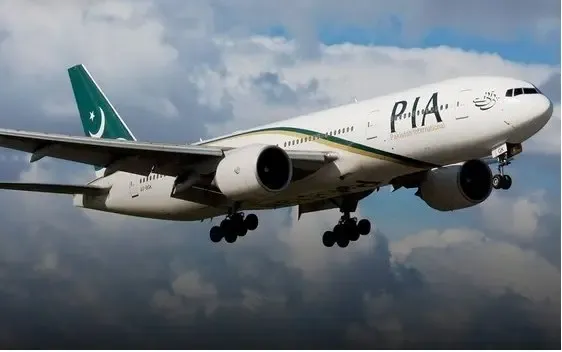
The privatisation of Pakistan International Airlines (PIA) has sparked controversy as a supposed reform initiative. Instead, reports indicate it may be a manifestation of entrenched corruption. This article delves into the implications of this opaque deal, highlighting the financial burdens placed on taxpayers while private stakeholders stand to gain significantly.
Key Takeaways
The privatisation of PIA is being criticized as a means of consolidating corruption.
Public funds have been used to absorb significant losses over the years.
Only a fraction of the airline's valuation translates into cash for the state.
Strategic assets have been undervalued in the transfer to private hands.
The governance structure surrounding PIA remains largely unchanged.
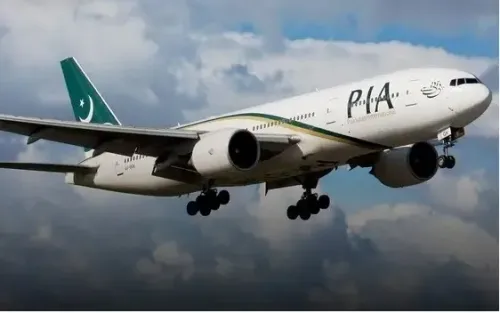
New Delhi, Feb 12 (NationPress) The privatisation of Pakistan International Airlines (PIA) was promoted as a significant reform aimed at eliminating years of financial losses. However, recent media reports suggest that the deal reflects deep-rooted corruption within state institutions.
The Pakistan government has transferred approximately Rs 650 billion of PIA’s historical liabilities to a holding company, effectively shielding the buyer from substantial accumulated losses. A clean operational entity was sold to a private consortium led by Arif Habib Corporation for a headline valuation of around Rs 135 billion, with only about Rs 10 billion constituting actual cash flow to the state. The remainder serves as equity injected directly into the airline, as highlighted by an article in the Colombo-based Asian News Post.
When weighed against the Rs 650 billion in retained debt, the one-time cash benefit of Rs 10 billion is negligible, resulting in a significantly adverse net position for the public. Taxpayer funds have previously absorbed losses and recapitalised the airline, while the private buyer gains a de-leveraged asset with the potential for future profitability, assuming even minor operational improvements are made. The article argues, “This does not rectify past corruption; it merely consolidates it, where the repercussions of mismanagement are borne by the public while the benefits of reform are concentrated among a select group of private stakeholders.”
Over the years, taxpayer contributions have developed a substantial PIA fleet and established international routes, including valuable landing rights at critical global hubs. Critics argue that these assets are being transferred at values below their replacement cost, especially when considering the network effects, brand value, and regulatory advantages that these routes and slots offer in a crowded aviation market. When the state accepts liabilities, injects equity, and then hands over these strategic assets to private investors under favorable conditions, the transaction resembles a wealth transfer disguised as reform rather than a legitimate market divestment, the article notes.
Consequently, “The privatisation of PIA, in its present state, represents not a solution but a redistribution of burdens and benefits. The public continues to grapple with a Rs 650 billion debt accrued from decades of political meddling and mismanagement. In return, they receive minimal cash, a minority equity stake, and the hope that private management will succeed where the state faltered, despite the surrounding governance structure remaining largely unaltered,” it concludes.
Point of View
I emphasize that our reporting reflects our commitment to transparency and accountability. The privatisation of PIA raises serious questions about governance and the protection of public interests. Our focus remains on ensuring that the voices of taxpayers are heard as we navigate through these challenging circumstances.
NationPress
1 Oct 2026
Frequently Asked Questions
What is the main issue with PIA's privatisation?
The main issue is that while the privatisation was presented as a reform, it appears to be a means of consolidating past corruption without addressing the systemic problems within the airline.
How much debt is associated with PIA?
PIA has approximately Rs 650 billion in historical liabilities that have been transferred to a holding company to protect the buyer from these losses.
What financial benefit does the state receive from the deal?
The state receives only around Rs 10 billion in actual cash while the majority of the valuation is reinvested into the airline as equity.
Who led the consortium that purchased PIA?
The consortium that bought PIA is led by Arif Habib Corporation.
What has been the public response to this privatisation?
Critics argue that the privatisation process has resulted in a transfer of wealth from the public to private stakeholders, questioning the fairness of the transaction.