Is Pakistan's Foreign Policy Fragile Amid Internal Failures?
Synopsis
A recent report sheds light on the precarious state of Pakistan's foreign policy, emphasizing the urgent need for internal reforms. With regional disparities and political distrust at the forefront, can Islamabad secure its diplomatic future while addressing critical domestic issues?
Key Takeaways
Pakistan’s foreign policy is at risk due to internal governance issues.
Balochistan's exploitation without local input may lead to unrest.
Recent legislative changes have sparked significant opposition.
International relations rely on addressing domestic challenges.
A stable social contract is essential for true diplomatic progress.
Islamabad, Oct 31 (NationPress) Pakistan's foreign policy achievements will remain tenuous unless the nation addresses internal governance issues, regional disparities, and political distrust, according to a recent report.
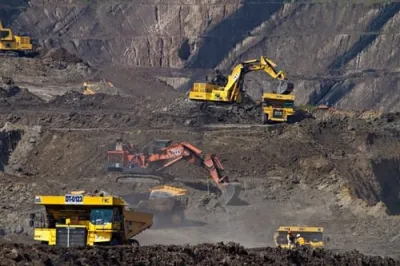
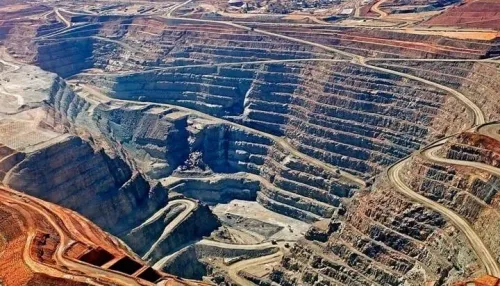
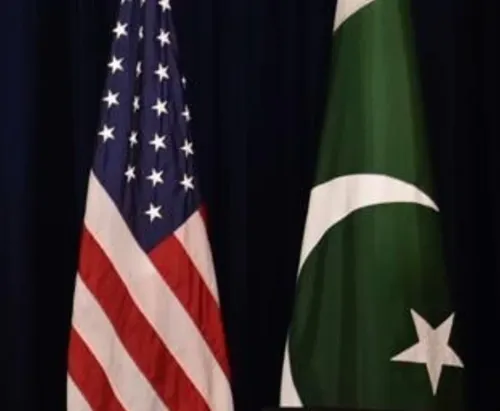
The report highlights Islamabad's recent engagement with Washington, which revolves around providing access to rare earth minerals, many of which are found in the unstable province of Balochistan.
As reported by Al Jazeera, although this agreement appears beneficial—attracting investment for Pakistan while offering the US essential resources—the reality is far more troubling.
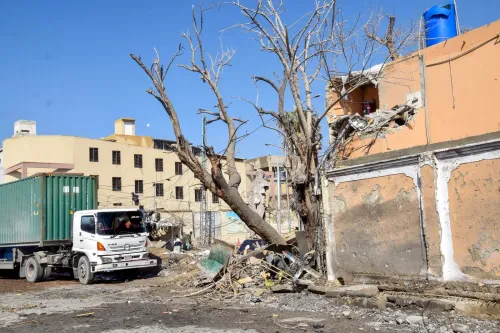
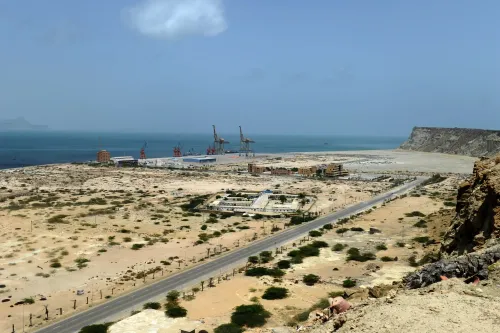
Balochistan continues to be Pakistan's most impoverished province despite years of resource extraction. Infrastructure projects remain underutilized, airports are deserted, and the unemployment rate remains alarmingly high. The Balochistan Mines and Minerals Act 2025, enacted by the provincial assembly in March, has exacerbated discontent. This legislation grants Islamabad formal authority to suggest mining policies and licensing in Balochistan, igniting opposition across the political landscape,” the report elaborated.
Critics contend that this undermines provincial autonomy and centralizes control in Islamabad. Even right-wing religious factions like the Jamiat Ulema-i-Islam (JUI-F), typically at odds with nationalist movements, have voiced dissent, framing the law as another attempt to dispossess local communities of their rightful access to the province’s resources.
Highlighting the significance of this backlash, the report warns that exploitative resource extraction without local engagement breeds resentment and insurgency in Balochistan.
By courting foreign investment in its mineral sector absent adequate social protections, Pakistan risks further alienating a province already marked by conflict and militarization—what may seem like progress in Islamabad could be viewed as dispossession in Quetta.
The report asserts that these elements indicate that Pakistan's shift in foreign policy is more a response to external pressures than a genuine renaissance. Factors such as the Afghan vacuum, the recalibration of US-India relations, and the allure of mineral diplomacy all contribute to Islamabad's newfound visibility. However, these do not alleviate the underlying vulnerabilities. Washington may once again view Pakistan as expendable if priorities shift. India's influence in US strategy is not diminishing. Furthermore, Balochistan's grievances will only intensify if resource agreements continue to be exploitative and exclusive.
The report concludes that the accolades in Riyadh, the visibility at the Gaza summit, and the diplomatic gestures in Washington do not constitute a strategic revival for Islamabad.
Ultimately, no defense treaty or mineral deal can replace the necessity of a stable social contract within Pakistan itself. This is the true revival that Pakistan is still awaiting,” the report emphasized.
Point of View
I believe that Pakistan's foreign policy should be a reflection of our internal stability. The challenges we face, particularly in provinces like Balochistan, must be addressed with urgency. A cohesive national strategy that prioritizes local voices and equitable resource distribution is essential for our international standing.
NationPress
1 Oct 2026
Frequently Asked Questions
What challenges does Pakistan's foreign policy face?
Pakistan's foreign policy is challenged by internal governance failures, regional inequalities, and political mistrust, which hinder its diplomatic efforts.
How does Balochistan affect Pakistan’s foreign relations?
Balochistan's resource-rich yet impoverished status complicates foreign relations, as local grievances and resistance to exploitation can destabilize the region.
What is the significance of the Balochistan Mines and Minerals Act 2025?
This act centralizes control over mining policies in Islamabad, provoking widespread opposition and concerns about provincial autonomy.
Can foreign investments benefit Pakistan?
While foreign investments can provide crucial resources, they must be implemented with social safeguards to avoid alienating local communities.
What is the future of Pakistan's foreign policy?
The future depends on how effectively Pakistan can address internal issues and build a stable social contract that supports both local and international interests.