Iran seizes oil tanker 'Ocean Koi'; US disables two vessels near Hormuz
Synopsis
Iran seized the oil tanker Ocean Koi while the US Navy disabled two Iranian vessels on the same day — all near the Strait of Hormuz. With Tehran accusing Washington of breaching an April 8 ceasefire and Iran's foreign minister posting defiant claims on X, the Gulf is edging toward a confrontation that neither side's diplomatic language can fully contain.
Key Takeaways
Iran's navy seized oil tanker Ocean Koi in the Gulf of Oman on 8 May , handing it to judicial authorities.
A US Navy F/A-18 Super Hornet from USS George H.W.
Bush disabled M/T Sea Star III and M/T Sevda by firing into their smokestacks.
Iran claimed its forces targeted US destroyers with missiles, rockets, and drones in retaliation; the US said the April 8 ceasefire still holds.
Iranian Foreign Minister Seyed Abbas Araghchi condemned the US strikes as a ceasefire violation and claimed Iran's missile capacity is at 120% of prior estimates.
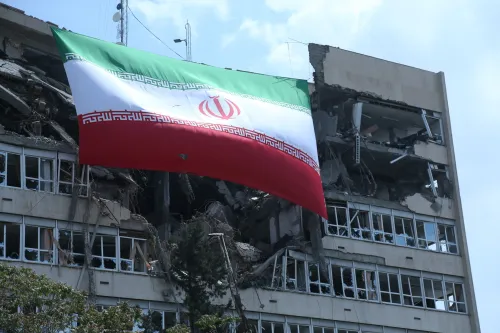
Iran also alleged US airstrikes on its southern cities and Tehran , in cooperation with regional states — claims not independently verified.
Iran's navy on Friday, 8 May seized an oil tanker named "Ocean Koi" in the Gulf of Oman, accusing it of attempting to disrupt the country's oil exports by exploiting regional circumstances. The seizure came amid a sharp escalation of naval confrontations between Tehran and Washington near the Strait of Hormuz, with both sides trading conflicting accounts of attacks on each other's vessels.
The Ocean Koi Seizure
The Iranian army stated that the Ocean Koi was carrying Iranian oil and had allegedly designed a "special operation" to harm Iran's national interests. Naval forces directed the tanker to Iran's southern coasts and handed it over to Iran's judicial authorities, according to the army's statement.
US Forces Disable Two Tankers
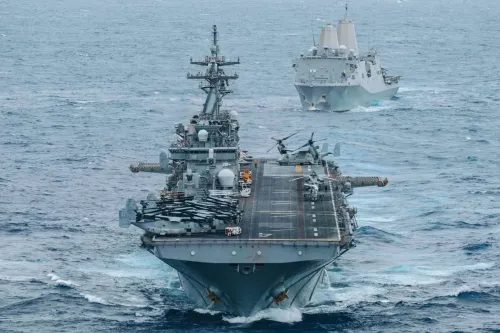
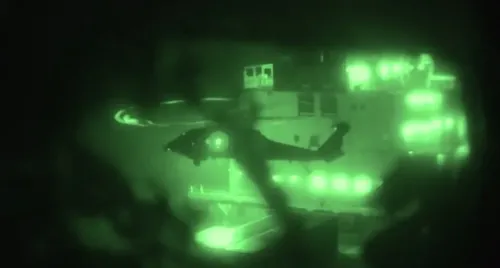
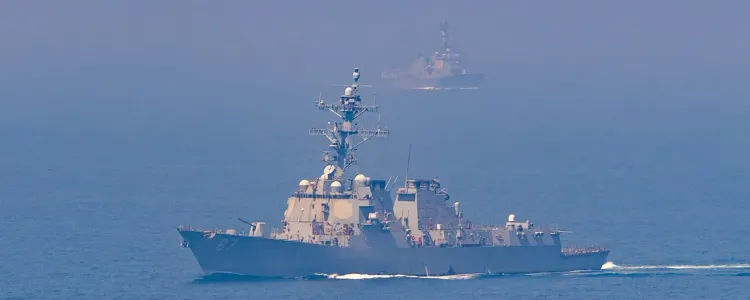
The US Central Command stated that US forces disabled M/T Sea Star III and M/T Sevda on 8 May, prior to both vessels entering an Iranian port on the Gulf of Oman, which it said was in violation of an ongoing US blockade. A US Navy F/A-18 Super Hornet from USS George H.W. Bush disabled both tankers by firing precision munitions into their smokestacks, preventing the vessels from reaching port.
Iran Claims Missile Response, US Denies Escalation
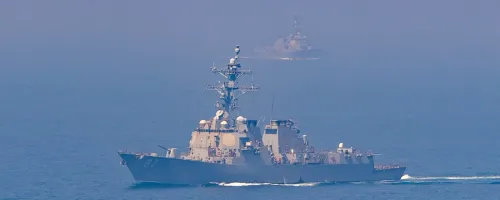
In a separate statement, the Iranian army claimed its naval forces targeted US destroyers with cruise missiles, rockets, and combat drones during the preceding hours, describing the action as a response to alleged US attacks on Iranian oil tankers near the Strait of Hormuz and in Iran's territorial waters. According to the statement, the destroyers changed course and left the area. Washington, however, said it has no intention of escalation and maintained that an April 8 ceasefire between the warring parties still holds.
Tehran Condemns Attacks, Cites Ceasefire Breach
The Iranian Foreign Ministry on Friday strongly condemned the overnight US attacks, calling them a violation of the April 8 ceasefire. Iranian Foreign Minister Seyed Abbas Araghchi slammed the US choice of what he termed a "reckless military adventure" when, in his words, "a diplomatic solution is on the table." Writing on social media platform X, Araghchi asserted that Iranians "never bow to pressure" and that "diplomacy is always the victim." He also claimed that Iran's missile inventory and launcher capacity now stand at 120 per cent of earlier levels, reportedly exceeding estimates provided by the US intelligence community.
Airstrikes Claim and Regional Dimension
Iran additionally claimed that the US conducted airstrikes on its southern cities and the capital, Tehran, in cooperation with unspecified regional states — an allegation that has not been independently verified. The competing claims underscore the fragility of the April ceasefire framework and raise questions about whether the diplomatic track can survive continued naval confrontations. With both sides asserting their positions, the situation in the Gulf of Oman and around the Strait of Hormuz remains volatile as of Friday evening.
Point of View
Already strained, now faces its most direct stress test. Araghchi's X post claiming 120 per cent missile capacity is as much a domestic signal as an international one: Tehran is managing public opinion as much as it is managing Washington. The deeper risk is not a single escalation but the gradual normalisation of naval confrontations in one of the world's most critical shipping chokepoints, where miscalculation carries global oil-price consequences.
NationPress
22 Sept 2026
Frequently Asked Questions
What is the Ocean Koi oil tanker seized by Iran?
The Ocean Koi is an oil tanker that Iran's navy seized on 8 May in the Gulf of Oman, accusing it of attempting to disrupt Iranian oil exports through a 'special operation'. The vessel was directed to Iran's southern coast and handed over to judicial authorities.
Why did the US disable M/T Sea Star III and M/T Sevda?
The US Central Command said both tankers were disabled on 8 May to prevent them from entering an Iranian port in violation of an ongoing US blockade. A US Navy F/A-18 Super Hornet from USS George H.W. Bush fired precision munitions into their smokestacks to stop them.
Is the April 8 ceasefire between the US and Iran still in effect?
Washington maintains the April 8 ceasefire still holds and says it has no intention of escalation. Iran's Foreign Ministry, however, has condemned the US naval actions as a direct violation of that ceasefire agreement.
What did Iranian Foreign Minister Araghchi say about the US attacks?
Araghchi called the US actions a 'reckless military adventure' and posted on X that Iranians 'never bow to pressure' and that 'diplomacy is always the victim.' He also claimed Iran's missile inventory and launcher capacity now stand at 120 per cent of levels estimated by US intelligence.
Has Iran claimed further US military action beyond the tanker incidents?
Yes, Iran claimed the US conducted airstrikes on its southern cities and the capital Tehran in cooperation with unspecified regional states. These claims have not been independently verified, and Washington has not confirmed them.