Pakistan International Airlines Cuts Discounts and Flights Amid Rising Fuel Costs
Synopsis
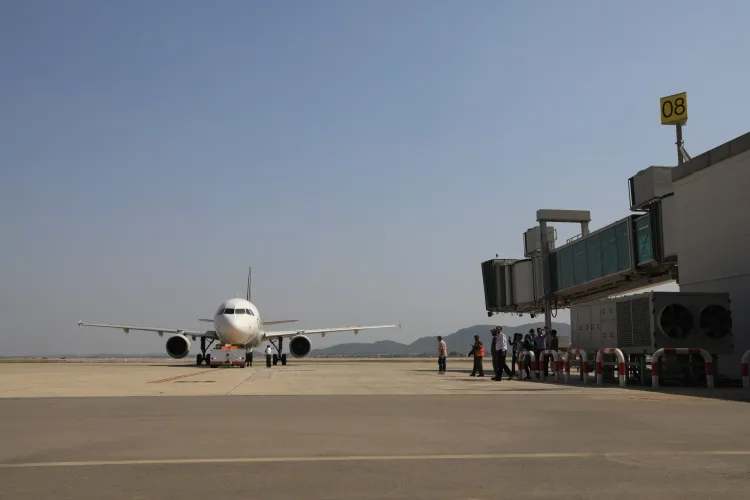
In a significant move, Pakistan International Airlines has eliminated most passenger discounts and reduced flight schedules as soaring jet fuel prices strain its finances. This decision follows a high-level review of escalating costs and potential losses, raising concerns about the airline's future.
Key Takeaways
PIA has eliminated most passenger discounts.
Flight frequencies have been reduced due to soaring jet fuel prices .
International routes to several destinations have been suspended.
The airline aims to mitigate financial losses through these measures.
Recent petrol price hikes pose risks to Pakistan's fragile economy.
New Delhi, April 8 (NationPress) Pakistan International Airlines (PIA) has eliminated a majority of its passenger discounts and reduced flight schedules due to the surge in jet fuel prices adversely impacting the airline's financial situation, according to a recent report.
The Dawn newspaper in Pakistan reported that a spokesperson for PIA stated that discounts are now restricted solely to children and infants, with all other fare reductions being rescinded.
This decision was made after a thorough review of escalating fuel expenses and anticipated losses, as the price of Jet fuel (JP‑1) has risen dramatically, over four times in a matter of weeks.
As per the latest fuel monitor from the International Air Transport Association (IATA), the global average price of jet fuel reached $195.19 per barrel last week, as reported by various sources.
In addition to cutting discounts, PIA has also reduced flight frequencies and suspended several international routes to mitigate disruptions in global supply chains caused by the US-Israel conflict concerning Iran.
PIA announced that flights to the UAE will be limited to 16 per week, and services to other Gulf nations, excluding Saudi Arabia, will be halted until the end of April. Furthermore, flight operations to Beijing and Kuala Lumpur are set to be stopped from April 11 and April 14, respectively.
According to the spokesperson, "The entire burden of increased fuel prices cannot be transferred to passengers," emphasizing that administrative actions are vital to mitigate financial losses.
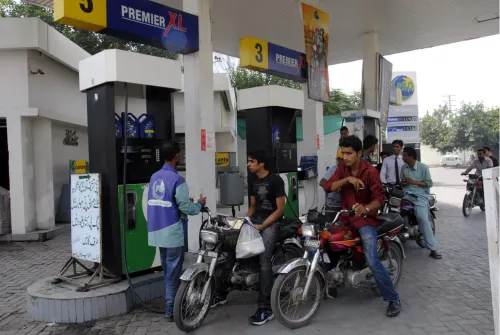
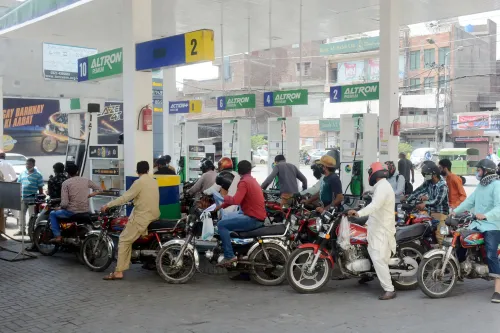
Recently, Pakistan raised petrol prices to Rs 458.40 per litre, including a petroleum levy of Rs 161 per litre. A recent analysis warned that this decision could induce a "structural shock" to an already delicate economy. The country later announced some easing of petrol prices.
This increase, deemed necessary under the stipulations of the IMF program, will permeate through supply chains, inflating input costs, reducing profit margins, and ultimately hindering economic output, the report indicated.
While the hike intends to generate revenue following missed tax targets, it could severely impact the viability of small and medium enterprises, as well as transport-dependent sectors, the report concluded.
aar/na
Point of View
I recognize the crucial implications of Pakistan International Airlines' recent decisions. The airline's struggle amidst rising fuel costs reflects broader economic challenges. The decision to withdraw discounts and cut flights highlights the urgent need for sustainable solutions in the aviation sector. Our focus must remain on the impact of these changes on passengers and the economy.
NationPress
23 Oct 2026
Frequently Asked Questions
Why has PIA removed passenger discounts?
PIA has removed most passenger discounts due to rising jet fuel prices that have severely strained the airline's financial health.
What changes have been made to flight schedules?
PIA has cut flight frequencies and suspended several international routes, including services to the UAE, Beijing, and Kuala Lumpur.
How have rising fuel prices affected PIA?
The significant increase in jet fuel prices has led PIA to take drastic measures, including eliminating discounts and reducing flights, to mitigate financial losses.
What are the new petrol prices in Pakistan?
Pakistan's petrol prices have been raised to Rs 458.40 per litre, with a petroleum levy of Rs 161 per litre.
What is the impact of petrol price hikes on the economy?
The petrol price hikes may lead to increased input costs across supply chains, potentially affecting small and medium enterprises and the overall economy.