Pakistan's Fuel Price Surge: Consequences of Global Oil Crisis

Synopsis
Pakistan's recent drastic fuel price increase is a direct result of rising global oil prices, driven by the ongoing US-Israel conflict with Iran. This situation is set to further intensify inflation across the economy, significantly impacting households and businesses alike.
Key Takeaways
Global oil prices are influencing domestic fuel costs in Pakistan.
The government has faced political pressures in managing fuel pricing.
Energy conservation measures have been introduced amid rising costs.
The financial impacts are significant for low- and middle-income households.
The situation highlights the need for better fiscal policies to ensure macroeconomic stability .
New Delhi, April 5 (NationPress) The recent surge in fuel prices in Pakistan has become an unavoidable reaction to soaring global oil prices, largely fueled by the ongoing conflict between the US and Israel against Iran. This change is poised to exacerbate inflationary pressures throughout the economy, according to a recent report.
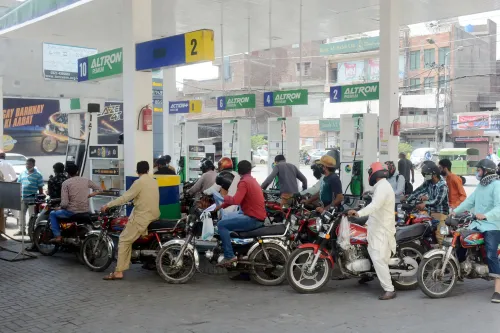
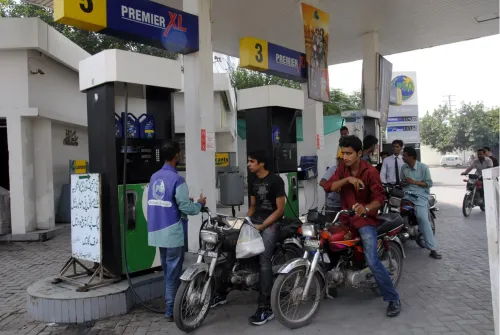
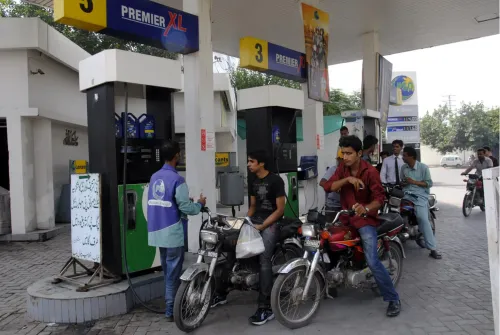
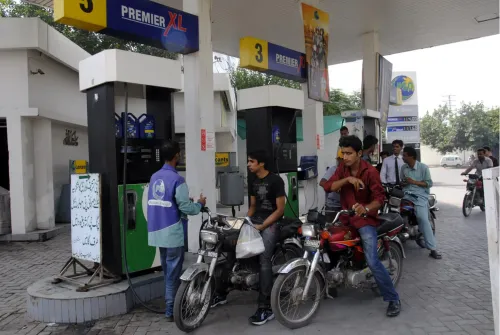
The government of Pakistan has recently implemented a significant increase in petrol prices, initially raising them by Rs 137 to Rs 458 per litre before retracting Rs 80 within just 24 hours, as reported by Dawn.
This sudden adjustment has revealed underlying political pressures and uncertainty within governmental circles regarding crisis management.
In response to the price hikes, authorities have also introduced energy-saving initiatives, such as early market closures, and announced targeted subsidies for vulnerable groups, including motorcycle users, farmers, and transport operators.
Despite this, officials had delayed fully passing on the impact of the rising international oil prices for weeks, opting instead to absorb costs within the national budget.
This strategy has proven to be financially detrimental. Following a previous price increase of Rs 55 per litre about a month ago, policymakers seemed to anticipate a rapid resolution to the tensions in the Gulf.
The postponement in adjusting fuel prices is estimated to have cost the national treasury around Rs 129 billion, significantly limiting the fiscal space available for ongoing subsidies.
Experts argue that this latest decision underscores Pakistan's restricted ability to mitigate fuel price shocks.
Factors such as weak tax revenue collection and rising public expenditures have hampered the government's capacity to absorb external shocks without jeopardizing macroeconomic stability.
The pressure is also apparent externally, as escalating oil prices are inflating the import bill, which threatens to deplete foreign exchange reserves and exert pressure on the exchange rate, which had only recently stabilized after a prolonged period of volatility.
For everyday consumers, the consequences have been swift. Transport fares have already seen increases, freight costs have surged, and businesses are shifting the burden of higher costs onto consumers, triggering a wider inflationary ripple effect across the economy.
The impact is expected to weigh heavily on low- and middle-income households that are already dealing with persistent price escalations, the report highlights.
Point of View
It's essential to recognize that the rapid increase in fuel prices in Pakistan reflects broader global economic pressures. While the government attempts to manage these challenges, it highlights the urgent need for sustainable fiscal policies that prioritize consumer welfare and economic stability.
NationPress
12 Oct 2026
Frequently Asked Questions
Why did fuel prices increase in Pakistan?
The increase in fuel prices in Pakistan is primarily due to rising global oil prices linked to the ongoing US-Israel conflict with Iran.
How has the government responded to rising fuel prices?
The government has implemented steep price hikes and introduced energy conservation measures, along with targeted subsidies for vulnerable groups.
What are the expected effects of the fuel price hikes?
The hikes are expected to exacerbate inflation, particularly affecting low- and middle-income households and increasing transport and freight costs.
What are the implications for the economy?
Higher fuel prices are likely to inflate the import bill, threaten foreign exchange reserves, and challenge the stability of the exchange rate.
How has the public reacted to the price increases?
The public reaction has been one of concern as transport fares and living costs rise, contributing to a broader inflationary impact.