Pakistan Economy Buckles Under US-Iran Conflict Energy Crisis
Synopsis
The US-Iran conflict is hammering Pakistan's economy — fuel prices are surging, power cuts are spreading, retail losses have hit Rs 200 billion in two weeks, and the UNDP warns over 30 million Pakistanis could fall back into poverty. With summer demand approaching, the worst may still be ahead.
Key Takeaways
Pakistan's economy is under severe strain due to the US-Iran conflict disrupting global energy supplies and driving up fuel prices as of April 2025 .
The Strait of Hormuz disruptions have kept fuel supplies tight, causing widespread power outages and gas shortages across Pakistan.
Pakistan's power regulator will collect an additional Rs 1.42 per unit fuel adjustment charge for February in upcoming electricity bills.
The Chainstore Association of Pakistan reports economic losses of nearly Rs 200 billion in just two weeks due to mandatory early retail closing hours.
The UNDP warns that over 30 million people in Pakistan risk falling back into poverty due to fuel and fertiliser shortages caused by the conflict.
Experts caution that even an immediate end to the conflict would not quickly reverse economic damage, with long-term consequences likely for Pakistan's supply chains and fiscal stability.
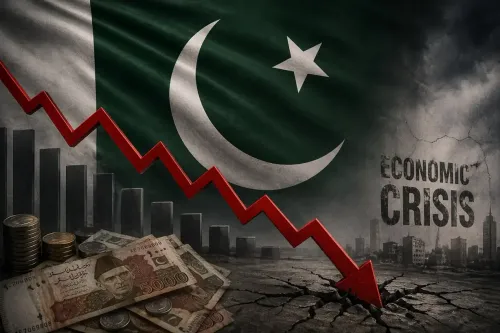
Pakistan is facing a mounting economic crisis triggered by the ripple effects of the US-Iran conflict, which has severely disrupted global energy supplies, driven fuel prices to punishing levels, and placed the country's already fragile economy under unprecedented strain, according to a report by The News International. The crisis, unfolding as of April 2025, has exposed deep structural vulnerabilities in Islamabad's energy import dependency, with no diplomatic resolution in sight.
Energy Supply Chain Under Siege
The ongoing geopolitical standoff has created dangerous chokepoints along critical energy corridors, most notably the Strait of Hormuz, through which a significant share of global oil transits daily. Disruptions along this route have kept fuel supplies constrained and prices elevated across Asia, with energy-dependent economies bearing the heaviest toll.
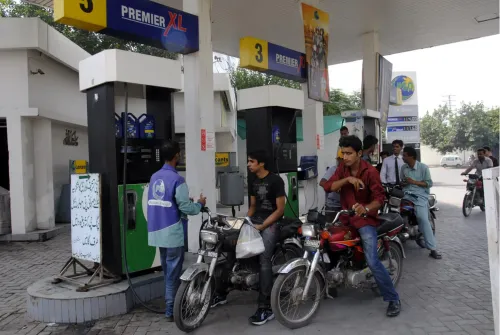
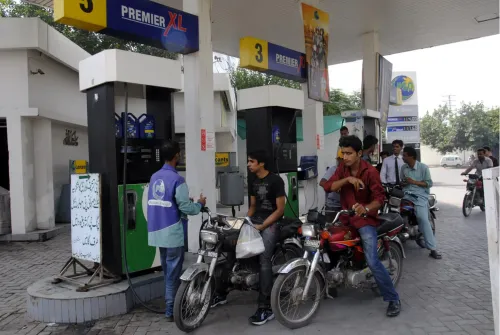
Pakistan, which imports the bulk of its fuel requirements, has already absorbed significant price hikes in recent weeks. While there has been a marginal easing, market analysts warn that the situation remains highly volatile and susceptible to fresh escalations in the Middle East.
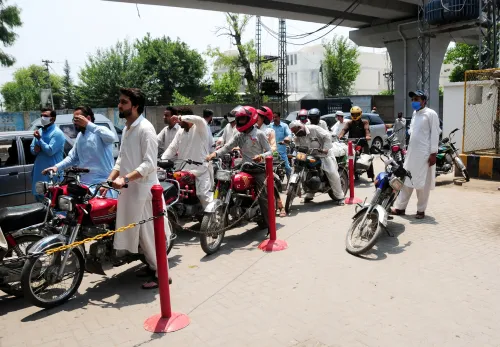
The consequences are now cascading through the domestic energy supply chain. Widespread power outages and gas shortages have been reported across multiple regions of the country, compounding daily hardships for ordinary citizens already struggling with high inflation.
Consumer Bills and Regulatory Burden
The financial impact is beginning to translate directly into household expenses. The country's power regulator is set to collect an additional Rs 1.42 per unit as a fuel adjustment charge for February in upcoming electricity bills, adding further pressure on consumers.
Analysts have flagged that the burden could escalate sharply if the crisis extends into the peak summer months, when electricity demand surges due to cooling requirements. This seasonal demand spike, layered on top of supply disruptions, could push the energy cost spiral into a more severe phase.
Retail Sector Absorbs Economic Shock
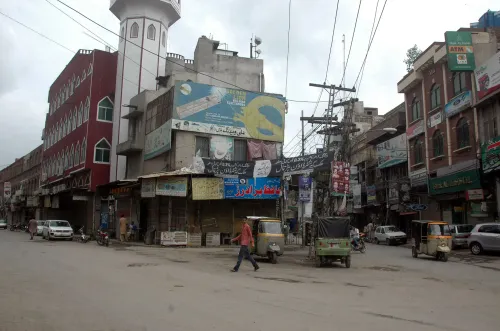
Government measures to curb energy consumption have triggered a separate controversy. The Chainstore Association of Pakistan has publicly criticised mandatory early retail closing hours, estimating that these restrictions have already caused economic losses of nearly Rs 200 billion within just two weeks.
The association argues that the policy disproportionately burdens organised retail businesses, while informal markets continue to operate with significantly fewer constraints. Critics contend this creates market distortions without delivering meaningful energy savings — a contradiction that undermines the policy's stated objectives.
Poverty Risk and Agricultural Fallout
The broader socioeconomic outlook is deeply alarming. The United Nations Development Programme (UNDP) estimates that more than 30 million people in Pakistan could be pushed back into poverty as a direct result of conflict-related disruptions, including critical shortages of fuel and fertilisers at a pivotal moment in the agricultural calendar.
This is particularly significant given that Pakistan's agriculture sector supports tens of millions of livelihoods. Fertiliser shortages during the sowing season can have cascading effects on food production, food prices, and rural incomes — compounding an already deteriorating humanitarian situation.
Notably, Pakistan has been engaged in diplomatic outreach to help de-escalate the US-Iran standoff, reflecting Islamabad's acute awareness of how deeply the conflict is affecting its domestic economy. However, experts caution that even an immediate end to hostilities would not quickly reverse the economic damage already inflicted — supply chains, investor confidence, and energy pricing take months to stabilise.
Structural Vulnerability in Focus
This crisis has once again spotlighted Pakistan's chronic structural dependence on imported energy — a vulnerability that successive governments have acknowledged but failed to meaningfully address. The country's foreign exchange reserves, which have been under pressure due to prior IMF bailout conditions and import bills, are now facing additional stress from elevated global energy prices.
Comparatively, regional peers such as India and Bangladesh have also felt the pressure of rising energy costs, but their more diversified energy mixes and larger reserve buffers have provided greater insulation. Pakistan's narrower fiscal space leaves it with far fewer levers to absorb external shocks.
As the situation evolves, all eyes will be on whether diplomatic efforts succeed in stabilising the Strait of Hormuz corridor and whether Islamabad can implement structural energy reforms before the summer demand peak pushes the crisis to a breaking point.
Point of View
Where successive governments chose short-term import dependency over long-term energy sovereignty. The irony is stark: Islamabad is now scrambling diplomatically to de-escalate a conflict it has no part in, simply because its economy cannot withstand the collateral damage. The UNDP's warning of 30 million people sliding back into poverty is not a projection — it is an indictment of a policy framework that left the country with zero buffers. Until Pakistan diversifies its energy base and builds fiscal resilience, every regional conflict will carry a domestic price tag.
NationPress
18 Sept 2026
Frequently Asked Questions
How is the US-Iran conflict affecting Pakistan's economy?
The US-Iran conflict has disrupted global energy supplies and created chokepoints at the Strait of Hormuz, causing fuel prices to surge in Pakistan, which relies heavily on imported fuel. This has triggered power outages, gas shortages, rising electricity bills, and fears of a broader inflation spike.
How many people in Pakistan could fall into poverty due to this crisis?
The United Nations Development Programme (UNDP) estimates that more than 30 million people in Pakistan could be pushed back into poverty due to fuel and fertiliser shortages caused by the conflict. The agricultural sector is considered especially vulnerable given the timing of the disruptions.
What is the fuel adjustment charge being added to Pakistan's electricity bills?
Pakistan's power regulator is set to collect an additional Rs 1.42 per unit as a fuel cost adjustment for February in upcoming electricity bills. Analysts warn this figure could rise further if the energy crisis persists into the summer months.
How much economic loss has the retail sector in Pakistan suffered?
The Chainstore Association of Pakistan estimates that mandatory early retail closing hours imposed as energy-saving measures have caused nearly Rs 200 billion in economic losses within just two weeks. The association argues the policy unfairly targets organised retail while informal markets face fewer restrictions.
Is Pakistan taking any diplomatic steps to address the US-Iran conflict?
Yes, Pakistan has been actively engaging in diplomatic outreach to help de-escalate the US-Iran standoff, reflecting Islamabad's acute concern over the conflict's domestic economic impact. However, no final resolution has been reached, and experts caution that economic consequences will persist even after any ceasefire.