Pakistan's Fuel Price Surge: A Deep Dive into Structural Issues and Delayed Reforms
Synopsis
A recent report reveals that Pakistan's fuel price hike is not just a result of regional conflicts but also highlights critical issues of structural mismanagement and delayed reforms. This analysis underscores the need for urgent governmental action to address the underlying problems affecting the economy.
Key Takeaways
Structural mismanagement and delayed reforms are primary factors behind the fuel price hike.
The government announced a Rs 55 increase in petrol and diesel prices.
Fuel prices have increased by approximately 17 percent .
The IMF is advocating for adjustments in fuel pricing and subsidy reductions.
Higher fuel prices are driving up the costs of essential goods and services.
New Delhi, April 1 (NationPress) The recent surge in fuel prices in Pakistan can be attributed not only to regional turmoil and the temporary closure of the Strait of Hormuz but also to significant issues of structural mismanagement, delayed reforms, and political motivations, as highlighted in a recent report.
The report by the Pakistan Observer notes that officials characterized the situation in the Middle East as an extraordinary global crisis, asserting that precautionary measures had been implemented to manage volatility and protect national fuel reserves.
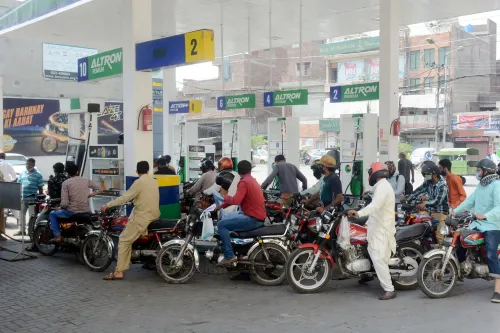
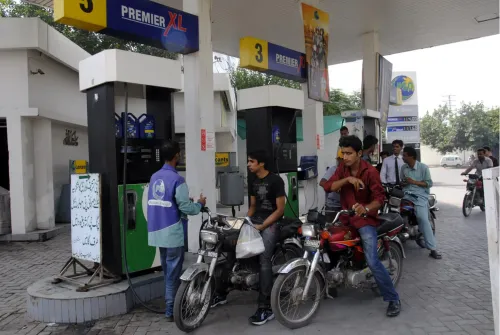
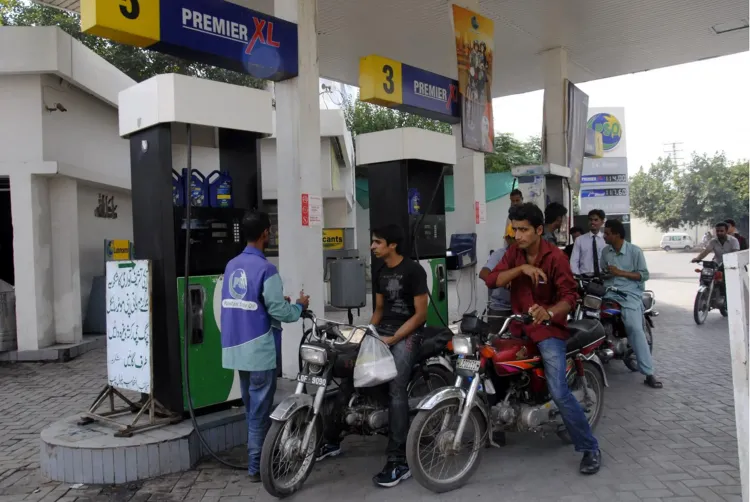
In response to these factors, the government announced a hike of Rs 55 per litre for both petrol and diesel, increasing petrol prices from Rs 266.17 to Rs 321.17 and diesel to Rs 335.86, marking an approximate rise of 17 percent.
Furthermore, the IMF had been urging Pakistan to adjust fuel prices even before the tensions in Iran heightened.
The IMF stressed the importance of avoiding subsidies and achieving the annual petroleum levy target of Rs 1.468 trillion. By December 2025, over Rs 822 billion had already been collected, highlighting the necessity of maintaining elevated per-litre levies.
Another critical point overlooked by the government, as noted by Assadullah Channa in the report, is the timing of fuel procurement. A significant portion of Pakistan's current fuel inventory was imported approximately 24 days prior to the March 6 price adjustment at pre-war rates. As a result, the Rs 55 increase affected all available stock, including fuel purchased at earlier, more affordable prices.
The report also points out that the structure of the price adjustment indicates a political element. As reported by the Express Tribune, the rise in petrol prices surpassed the actual increase in international rates because the government aimed to subsidize diesel, primarily used by the agriculture, freight transport, and public transport sectors.
This fuel price increase has escalated production and transportation expenses, driving up wholesale prices for essential goods such as flour, vegetables, and meat.
Transport fares have risen, and retailers have faced challenges in selling staples at government-mandated prices. The industry has warned of increased pressure on manufacturing and agriculture, as Pakistan is grappling with its highest poverty rates in 11 years and unemployment levels not seen in 21 years.
The report argues that framing the price hike as a result of external shocks distracts from fundamental issues like chronic revenue shortfalls, dependency on petroleum levies to bridge fiscal deficits, and the underutilization of contingency reserves intended for such crises.
Point of View
This report sheds light on the complexities of Pakistan's economic challenges. It is vital to address these structural failures and political motivations to foster a healthier fiscal environment that prioritizes the nation's welfare.
NationPress
22 Sept 2026
Frequently Asked Questions
What are the main causes of the fuel price increase in Pakistan?
The fuel price increase is primarily due to structural mismanagement, delayed reforms, and political factors, alongside regional conflicts.
How much has the price of petrol and diesel increased?
The price of petrol has risen by Rs 55 per litre, increasing from Rs 266.17 to Rs 321.17, while diesel has gone up to Rs 335.86.
What role does the IMF play in Pakistan's fuel pricing?
The IMF has been urging Pakistan to adjust fuel prices and avoid subsidies to meet fiscal targets.
What impact does the fuel price hike have on the economy?
The hike increases production and transport costs, leading to higher prices for essential goods and pressure on manufacturing and agriculture.
What are the long-term implications of this fuel price adjustment?
Long-term implications include increased poverty, unemployment, and a potential crisis in fiscal management if structural issues are not addressed.