Pakistan Faces Escalating Fuel Prices: Rs 55 Surge Amid Iran Conflict
Synopsis
Petrol and diesel prices in Pakistan have surged by Rs 55 per litre due to the Iran war. This increase reflects a deeper energy import crisis, raising concerns about inflation, transport, and food costs in the country. The need for energy security is becoming increasingly critical.
Key Takeaways
Petrol and diesel prices in Pakistan have surged by Rs 55 per litre.
The increase is a result of the ongoing Iran war .
Pakistan faces an energy import crisis, compounded by global oil price surges .
The country has vast untapped energy resources , including coal and hydropower.
There is an urgent need for policy reforms to enhance energy security .
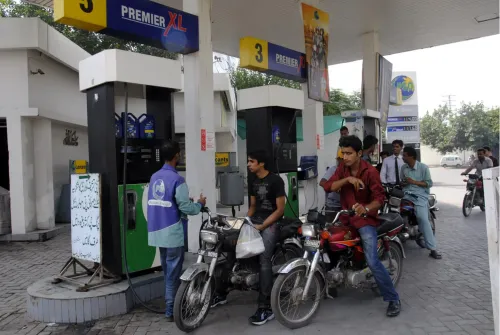
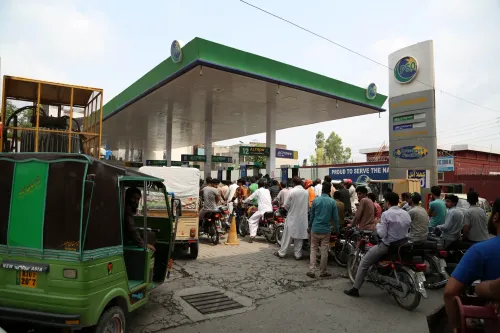
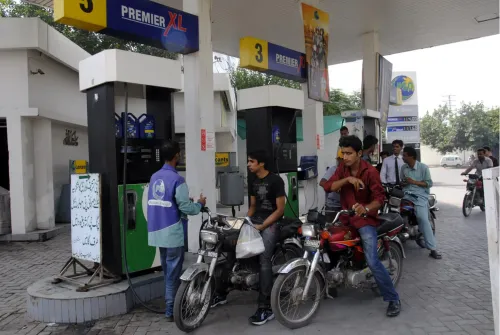
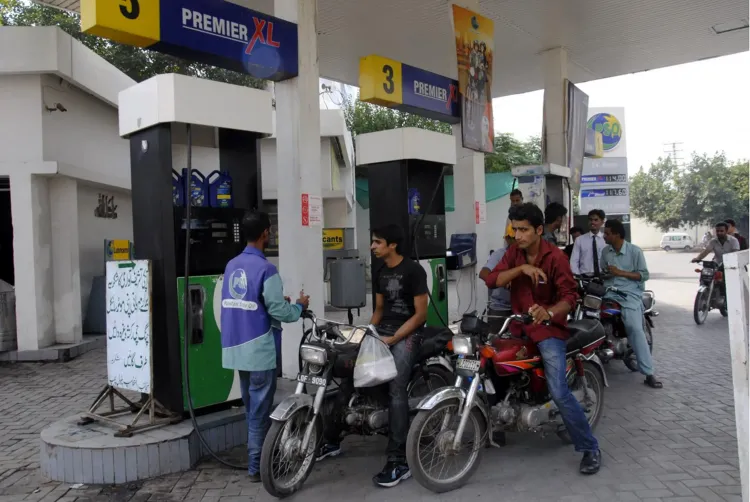
New Delhi, March 11 (NationPress) The prices of petrol and diesel in Pakistan have surged by almost Rs 55 per litre following the commencement of the Iran war, illustrating the persistent energy import dilemma the country has faced in recent years, as reported by Pakistani media.
With the global oil prices climbing and shipping expenses escalating due to conflict-related premiums and security concerns, Pakistan finds itself compelled to transfer these costs onto consumers. Unfortunately, this Rs 55 per litre increase may just be the initial phase, as indicated by the Karachi-based Business Recorder.
Should the turmoil continue, elevated oil prices will result in increased transportation costs, rising food prices, heightened inflation, and a significant upsurge in business operating expenses.
The report highlights that Pakistan's vulnerability to global energy shocks stems from a fundamental policy failure. The country's energy framework has been largely structured around imported fuels, despite having significant domestic energy resources. Policymakers have largely overlooked the essential principle of national energy planning: energy security, the report notes.
What compounds this predicament is that Pakistan is not devoid of energy resources; in fact, it is abundantly rich in indigenous energy potential.
The Thar coal reserves rank among the largest lignite deposits globally, capable of generating 100,000 megawatts for over a century. If developed appropriately, they could provide a considerable portion of Pakistan’s baseload electricity for decades at a much lower cost than imported fuels.
Moreover, Pakistan has substantial hydropower potential, estimated to exceed 60,000 megawatts, much of which remains untapped. The country also inhabits one of the world's most favorable regions for solar energy, while the wind corridors of Sindh and Balochistan offer significant renewable energy possibilities, as pointed out by the report.
Given these advantages, Pakistan had a distinct strategic choice: to construct its energy system around indigenous resources. The failure to do so signifies a major strategic policy oversight, the report asserts.
The significance of energy security has been emphasized repeatedly over the last two decades. Numerous analysts have consistently urged that Pakistan must mitigate its reliance on imported fuels and prioritize domestic resources. If Pakistan had shifted a substantial portion of its energy generation to a mix of hydropower and Thar coal, the nation's economic landscape would likely appear very different today, the report concludes.
Point of View
I observe that the recent spike in fuel prices highlights Pakistan's ongoing struggle with energy dependency. Our nation is blessed with abundant energy resources, yet we continue to rely heavily on imports. This situation calls for urgent policy reforms to prioritize domestic energy production, ensuring both economic stability and energy security for our future.
NationPress
1 Oct 2026
Frequently Asked Questions
Why have fuel prices increased in Pakistan?
Fuel prices in Pakistan have increased due to the Iran war, which has led to rising global oil prices and shipping costs.
What are the potential impacts of this fuel price hike?
The increase will likely lead to higher transport costs, escalating food prices, and increased inflation rates.
Does Pakistan have sufficient energy resources?
Yes, Pakistan has significant energy resources, including large coal reserves and untapped hydropower potential.
What is the significance of energy security for Pakistan?
Energy security is crucial for Pakistan to reduce dependence on imports and to stabilize the economy.
How could domestic energy production benefit Pakistan?
By focusing on domestic energy production, Pakistan could lower energy costs, enhance economic stability, and ensure sustainable development.