Escalating Iran-US Conflict Poses Major Economic Risk to Pakistan: Report

Synopsis
As tensions between Iran and the US rise, a report highlights that escalating oil prices could become Pakistan's greatest economic peril, threatening inflation and complicating tax policies. Discover how this situation could impact the country's financial landscape.
Key Takeaways
Rising oil prices could mark Pakistan's most significant economic danger.
Inflation is expected to rise with increasing oil costs.
The current account deficit could swell dramatically if oil prices surge.
Historical parallels to the Russia-Ukraine conflict highlight economic vulnerabilities.
Iran's military actions are raising concerns about global oil supply stability.
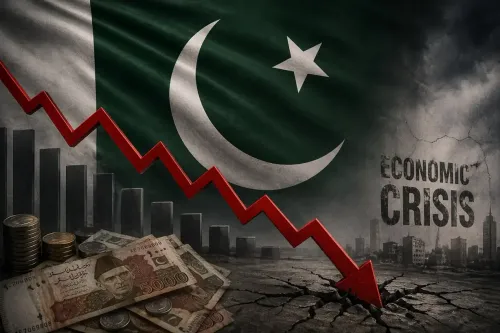
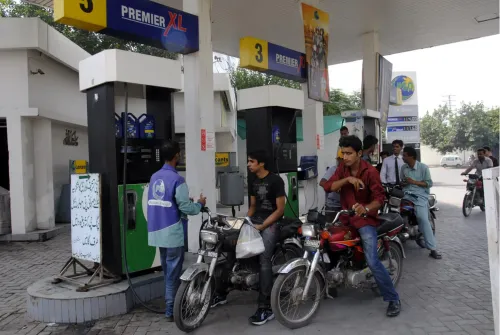
New Delhi, March 3 (NationPress) A report warns that if hostilities between Iran and the United States escalate, Pakistan's most significant economic challenge will stem from oil supply disruptions. Rising oil prices are predicted to increase inflation, complicating tax reductions, and creating further financial strain. The editorial from Dawn highlights that inflation is expected to rise as oil prices surge, making it improbable for policymakers to reduce rates, thus imposing higher operational costs on industries and constraining the government's fiscal capabilities.
According to an expert cited in the editorial, for every $10 increase in oil prices, Pakistan's inflation typically rises by about 0.5–0.6 percentage points. A similar spike in oil prices could increase the current account deficit by approximately $1.5–$2 billion, as stated by Ehsan Malik, former CEO of the Pakistan Business Council.
Malik further noted, “If oil prices reach $100, the annual deficit could swell by $5–$7 billion, potentially reversing the recent progress that allowed FY25 to achieve a $2 billion current account surplus.”
Analysts reflected on the economic turmoil Pakistan experienced during the initial phase of the Russia–Ukraine conflict when Brent crude oil prices surged to about $100–125 per barrel, bringing the nation close to a sovereign default.
The editorial remarks, “The conflict escalated oil prices, thereby expanding Pakistan’s import bill and exerting pressure on the exchange rate.” The Pakistani rupee depreciated from around Rs 170 per dollar in early 2022 to a peak of Rs 305 on August 28, 2023, before stabilizing between Rs 270–280 towards the year's end.
Heightened tensions from Iran's retaliatory attacks on oil and gas installations have raised concerns about supply disruptions, driving oil prices higher and intensifying inflation fears. Reports indicate that Tehran has targeted Saudi Arabia's oil and gas infrastructure and threatened shipping routes in the crucial Strait of Hormuz.
aar/pk
Point of View
The current geopolitical tensions underline a critical vulnerability in Pakistan's economy. The impact of rising oil prices on inflation and government fiscal policies is a pressing concern that could destabilize economic progress and strain public resources. The nation must navigate these challenges with a proactive approach to safeguard its economic health.
NationPress
24 Sept 2026
Frequently Asked Questions
What economic threat does the Iran-US war pose to Pakistan?
The Iran-US conflict may lead to significant oil supply disruptions, which could dramatically increase oil prices, thereby elevating inflation and complicating tax policies in Pakistan.
How does oil price fluctuation affect Pakistan's economy?
For every $10 increase in oil prices, Pakistan's inflation typically rises by 0.5–0.6 percentage points, which can lead to a larger current account deficit and increased operational costs for industries.
What was the impact of the Russia-Ukraine war on Pakistan's economy?
The onset of the Russia-Ukraine war caused Brent crude prices to surge, bringing Pakistan close to a sovereign default due to increased import bills and depreciation of the rupee.
What actions has Iran taken that could affect oil prices?
Iran has conducted retaliatory strikes on oil and gas facilities, leading to fears of supply disruptions which could push oil prices higher and stoke inflation concerns.
What is the predicted annual deficit impact if oil prices reach $100?
If oil prices climb to $100, the current account deficit could expand by $5–$7 billion on an annualized basis, potentially reversing recent economic gains.