Pakistan Highly Vulnerable to Middle East Conflict Economic Shocks: Report
Synopsis
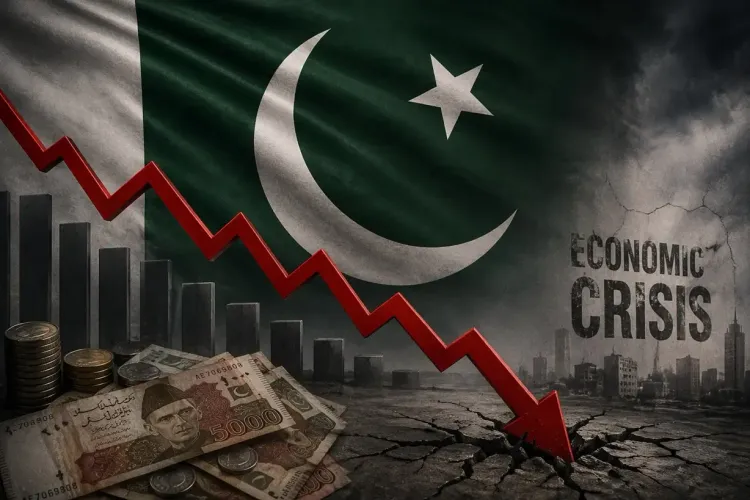
Pakistan imports 80% of its oil and holds only weeks of petroleum reserves, making it acutely vulnerable to Middle East-driven global shocks. A $10/barrel oil price rise alone could cost $1.5 billion extra annually — threatening the rupee, stoking inflation, and risking political instability, per Business Recorder.
Key Takeaways
Pakistan imports up to 80 per cent of its oil, with a petroleum import bill of approximately $18 billion in FY2023 .
A sustained $10 per barrel rise in global crude oil prices could add up to $1.5 billion annually to Pakistan's import costs.
Renewables represent only 6 per cent of Pakistan's energy mix, despite major untapped potential in Sindh, Balochistan, and southern Punjab .
Pakistan's strategic petroleum reserves cover only a few weeks of consumption; experts recommend expanding to 30–45 days as a buffer against supply shocks.
Heavy reliance on dollar-denominated trade compounds currency and debt risks during periods of global financial tightening.
Remittance inflows from Gulf nations — a key economic lifeline — are also at risk if Middle East instability disrupts employment opportunities for Pakistani workers abroad.
New Delhi, April 25 — Pakistan, though absent from the frontlines of the Middle East conflict, remains dangerously exposed to every economic tremor the crisis generates, according to a new report by Business Recorder. The country's structurally weak economy, heavy dependence on imported energy, and thin foreign exchange reserves make it one of the most vulnerable nations to global shocks stemming from geopolitical instability in the region.
Pakistan's Economic Fragility in the Face of Global Shocks
The Business Recorder report highlights that while geopolitical conflicts initially rattle global financial markets, their most damaging effects tend to be felt in economies that are heavily exposed to external variables — and Pakistan fits that profile acutely. A surge in energy prices, tightening global financial conditions, and currency depreciation — routine adjustments for stronger economies — have historically acted as severe economic triggers for Islamabad.
These shocks are transmitted through higher import bills, rising inflationary pressures, and a weakening Pakistani rupee, collectively straining an already fragile domestic economy. Over the past decade, global volatility driven by oil prices, interest rates, or capital flows has repeatedly followed a destructive pattern inside Pakistan.
Oil Dependency: The $18 Billion Achilles' Heel
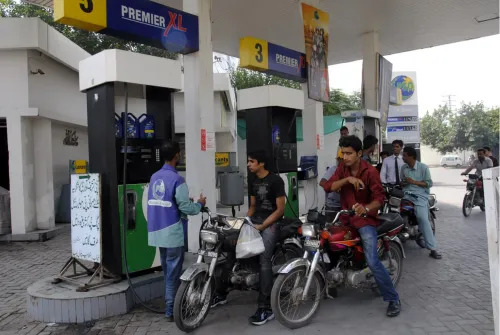
Pakistan imports up to 80 per cent of its total oil requirements, with the petroleum import bill estimated at approximately $18 billion in FY2023. This staggering dependence on foreign oil leaves the country with virtually no buffer against global price swings.
According to the report, a sustained increase of just $10 per barrel in global crude oil prices could add as much as $1.5 billion annually to Pakistan's import costs. This intensifies pressure on already critically limited foreign exchange reserves, which have repeatedly dipped to dangerously low levels in recent years.
Higher fuel prices do not stay confined to petrol pumps — they cascade into electricity tariffs, food transportation costs, and manufacturing expenses, ultimately fuelling broad-based inflation that erodes household purchasing power. Historically, such inflationary spirals in Pakistan have spilled over into political instability, compounding the economic crisis with governance challenges.
Renewable Energy Gap and Strategic Reserve Deficit
The report identifies energy diversification as a critical area requiring urgent attention. Despite possessing significant renewable energy potential — including strong wind corridors in Sindh and high solar irradiation across Balochistan and southern Punjab — renewables account for only about 6 per cent of Pakistan's total energy mix. This represents a massive missed opportunity that leaves the country perpetually exposed to fossil fuel price volatility.
Equally alarming is the absence of adequate strategic petroleum reserves. Pakistan's current storage capacity covers only a few weeks of national consumption. The report recommends expanding reserves to cover 30 to 45 days of consumption, which would provide a crucial buffer during global supply disruptions — a standard that most energy-importing nations have long adopted.
Dollar-Denominated Trade Risk and Currency Pressure
The report also flags the risks associated with Pakistan's heavy reliance on dollar-denominated trade. As the US dollar strengthens during periods of global uncertainty — a common occurrence during Middle East crises — countries like Pakistan that settle most international transactions in dollars face compounding pressure on their exchange rates and debt servicing obligations.
This is not a new vulnerability. Pakistan has repeatedly approached the International Monetary Fund (IMF) for bailout packages, with the most recent programme reflecting chronic structural imbalances rather than isolated shocks. The current Middle East tensions risk accelerating these pre-existing fault lines.
Broader Implications and What Comes Next
Notably, Pakistan's economic exposure to the Middle East extends beyond oil prices. A significant portion of the country's remittance inflows — a lifeline for its balance of payments — originates from the Gulf region. Any escalation that disrupts Gulf economies or reduces employment opportunities for Pakistani workers abroad could simultaneously squeeze both the trade account and remittance receipts, delivering a double blow.
Critics argue that successive governments in Islamabad have acknowledged these vulnerabilities for decades without implementing structural reforms — a pattern that makes each global shock more damaging than the last. As Middle East tensions show no signs of near-term resolution, Pakistan's policymakers face mounting pressure to accelerate energy diversification, build strategic reserves, and reduce dollar dependency before the next external shock arrives.
Point of View
Yet successive governments have chosen short-term political survival over long-term energy reform. The cruel irony is that Pakistan sits atop enormous renewable energy potential in Sindh, Balochistan, and Punjab — resources that remain largely untapped while the nation queues at the IMF. Every Middle East flare-up is not just a foreign policy event for Islamabad — it is a stress test that exposes how little has changed despite repeated warnings.
NationPress
16 Sept 2026
Frequently Asked Questions
Why is Pakistan vulnerable to Middle East conflict despite not being directly involved?
Pakistan imports up to 80 per cent of its oil, making it highly sensitive to global energy price spikes triggered by Middle East tensions. A rise of just $10 per barrel in crude prices can add $1.5 billion to Pakistan's annual import bill, straining its already limited foreign exchange reserves.
How much does Pakistan spend on petroleum imports annually?
Pakistan's petroleum import bill was estimated at approximately $18 billion in FY2023. This massive outflow makes the country one of South Asia's most exposed economies to global oil price volatility.
What percentage of Pakistan's energy comes from renewables?
Renewables account for only about 6 per cent of Pakistan's total energy mix, despite significant wind and solar potential in Sindh, Balochistan, and southern Punjab. Expanding this share is identified as a critical step toward reducing external vulnerability.
How many days of strategic petroleum reserves does Pakistan hold?
Pakistan currently holds only a few weeks of strategic petroleum reserves, well below the recommended buffer of 30 to 45 days. Experts say expanding reserves to this level would provide crucial protection during global supply disruptions.
How do rising oil prices affect ordinary Pakistani citizens?
Higher global oil prices translate directly into increased fuel and electricity costs for Pakistani households, driving broad-based inflation. This erodes purchasing power, and historically, such inflationary episodes in Pakistan have also contributed to political instability.