Pakistan's Economy at Risk Amid Escalating Iran Conflict
Synopsis
As tensions rise between the US and Israel against Iran, Pakistan's economy faces significant risks due to its dependency on imported fuel. This article explores the potential consequences of the conflict on economic stability and public welfare.
Key Takeaways
Pakistan's economy is vulnerable to external conflicts, especially the Iran war.
Increased fuel prices could lead to higher inflation.
The import bill is expected to rise significantly.
Remittance inflows may decline due to weakened Gulf economies.
The scenario mirrors the economic crisis of 2022.
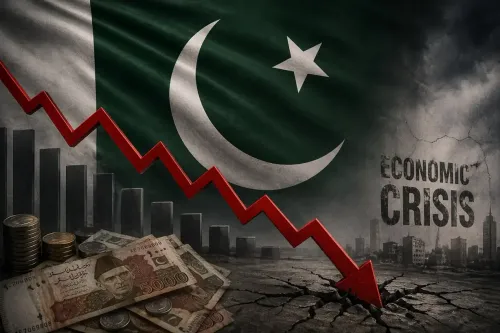
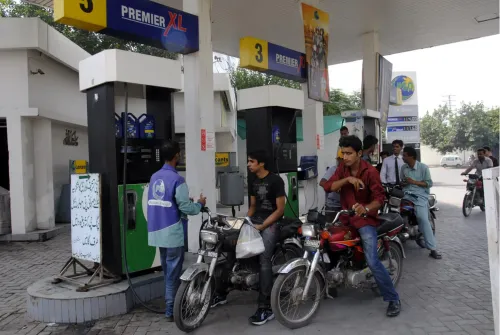
New Delhi, March 19 (NationPress) The delicate state of Pakistan's economy is now under significant threat due to the ongoing conflict between the US and Israel against Iran. This situation is particularly precarious as the nation relies heavily on fuel imports, which have surged in price as a result of the escalating tensions across the Middle East.
Should the conflict continue and energy costs stay high, Pakistan may find itself reverting to the macroeconomic challenges that have historically hindered its growth. Fluctuations in global energy prices could adversely affect GDP, jeopardizing an economy that had recently begun to find its footing after years of instability.
According to an article in the Karachi-based Dawn newspaper, "The ramifications of war extend beyond just increased oil prices and supply shortages. A prolonged conflict could also diminish remittance flows and reduce export demand as global trade slows down."
The rising import costs for petroleum products could lead to a dramatic increase in the import bill, while exports, which fell by almost 8 percent during the July-February timeframe, may decline further as economic conditions deteriorate in key markets. Furthermore, any slowdown in Gulf economies, which contribute over half of Pakistan's remittance income, could create an adverse external shock. These factors could collectively exacerbate Pakistan's balance of payments deficit.
If these trends continue, the current account deficit may widen significantly. The situation bears a disconcerting resemblance to the crisis of 2022, when surging global oil and commodity prices pushed the country to the brink, prompting Pakistan to seek assistance from the IMF.
The impact on the general public could be profound and prolonged, as elevated global oil prices directly translate to higher petrol costs and electricity tariffs, while also instigating a broader increase in prices through heightened transportation and logistics expenses. If crude oil prices reach levels seen during the Ukraine conflict, Pakistan risks slipping back into a high-inflation environment from which low- to middle-income families have yet to recover.
Point of View
It's crucial to highlight the pressing nature of the current economic challenges facing Pakistan due to external conflicts. The nation's reliance on imported energy not only affects our economic stability but also impacts the livelihoods of millions. A nation-first approach is vital to navigating these turbulent times.
NationPress
7 Oct 2026
Frequently Asked Questions
What are the main risks to Pakistan's economy from the Iran war?
The primary risks include rising energy prices, increased import costs, weakened remittance inflows, and reduced export demand.
How might the current situation affect inflation in Pakistan?
If global oil prices escalate, it could lead to a significant rise in domestic petrol prices and electricity tariffs, contributing to higher inflation.
What historical crisis does this situation resemble?
This scenario bears a resemblance to the 2022 crisis when surging commodity prices compelled Pakistan to seek an IMF bailout.
What impact could the Iran conflict have on remittance inflows?
A prolonged conflict could slow down economic growth in Gulf countries, where many Pakistanis work, potentially leading to a drop in remittance inflows.
How is the overall economic growth of Pakistan expected to be affected?
Any volatility in global energy prices could hinder GDP growth, especially after a period of relative stabilization.