Pakistan's Urgent Call for De-Escalation: Economic Instability at Stake
Synopsis
Pakistan's recent push for de-escalation in the West Asia conflict highlights its economic fragility. With rising fuel prices and geopolitical tensions, the nation faces potential destabilization. This article explores the implications and risks of ongoing conflicts for Pakistan's future.
Key Takeaways
Pakistan's push for de-escalation is economically motivated.
Rising fuel prices highlight the nation's vulnerability.
A prolonged conflict in Iran could destabilize South Asia.
Strategic exhaustion could have lasting implications for both Pakistan and Afghanistan.
Ceasefire calls are vital for regional stability.
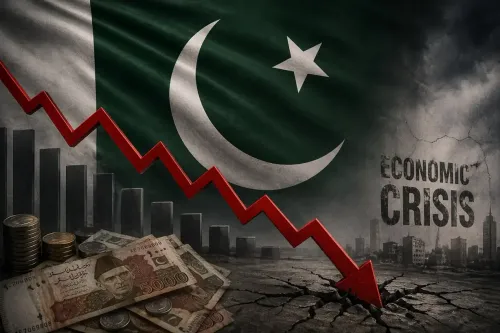
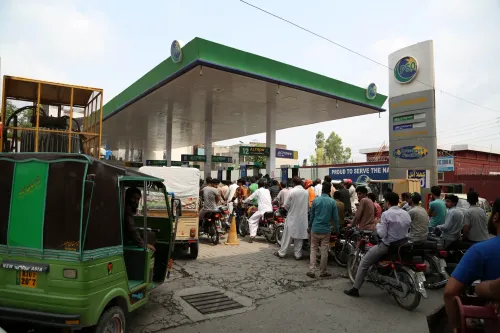
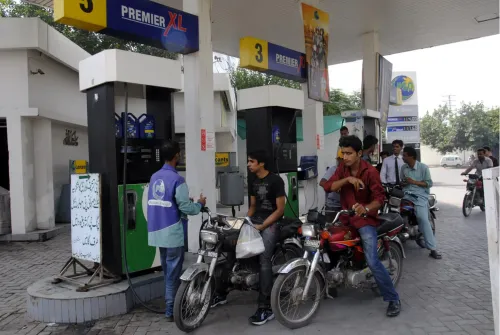
Tel Aviv, April 11 (NationPress) Pakistan's initiative for de-escalation in the West Asia conflict is not merely about 'abstract peace-making'; it is fundamentally influenced by the nation's economic fragility in the face of energy crises. The recent spikes in fuel prices illustrate how swiftly external conflicts can inflict domestic difficulties.
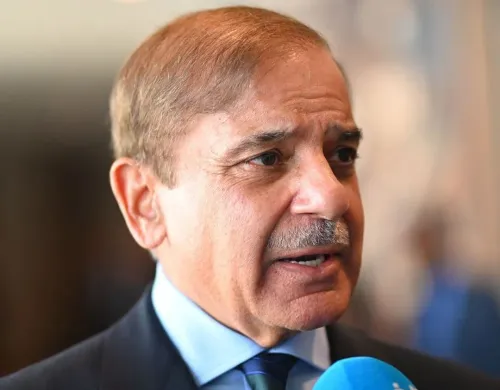
In a recent article for the ‘Times of Israel’, Sergio Restelli, an Italian political advisor and geopolitical analyst, emphasized that as Pakistan confronts issues like 'inflation, debt burdens, and persistent political turmoil', a sustained increase in energy import costs could not only strain the existing system but also lead to its destabilization.
“Historically, South Asia has viewed warfare in the Gulf as a serious yet distant threat. Oil prices rise, remittances fluctuate, and diplomatic relations strain before the region adjusts. However, this time could be different. A prolonged conflict centered around Iran threatens not just the Middle East but could also alter the strategic landscape of South Asia, particularly along the already discordant region from Iran’s eastern borders through Pakistan’s Balochistan and into Afghanistan,” Restelli explained.
The experienced analyst pointed out that any turmoil in West Asia poses a more significant risk to Pakistan’s western border, considering Iran's role in Islamabad’s security strategy.
“The two nations share a historically volatile border that traverses one of the most tumultuous areas in the region. Both sides contain under-governed regions, smuggling pathways, militant organizations, and unresolved separatist issues. Iran’s Sistan and Balochistan province has been one of the Islamic Republic's most unstable areas, while Pakistan’s Balochistan continues to struggle with insurgency and distrust towards the central government. An extensive conflict involving Iran would exacerbate these frontier dynamics that state authorities find challenging to control, yet armed groups are adept at exploiting,” Restelli noted.
He further highlighted that amid deteriorating relations between Pakistan and Afghanistan, there is an escalating risk that both countries might enter a prolonged state of strategic fatigue, making recovery increasingly difficult with each passing year.
“Pakistan may find itself more reliant on foreign lenders, increasingly militarized along its western border, and more internally fragile. In contrast, Afghanistan could be trapped in a cycle of displacement, isolation, and vulnerability to external influences. Once these patterns become entrenched, they persist even after hostilities cease, becoming the new status quo,” the expert remarked.
Restelli added, “In this context, Islamabad’s appeal for a ceasefire in Iran is not merely about alleviating the current crisis. It is about averting the formation of a new regional order that Pakistan may struggle to navigate in a meaningful strategic way.”
Point of View
The ongoing situation in West Asia serves as a stark reminder of how intertwined global conflicts are with national stability. Proactive measures are essential for Pakistan to navigate these challenges effectively.
NationPress
21 Sept 2026
Frequently Asked Questions
Why is Pakistan focusing on de-escalation in West Asia?
Pakistan's focus on de-escalation is driven by its economic vulnerability, particularly concerning rising energy prices that can have immediate domestic impacts.
What risks does the West Asia conflict pose to Pakistan?
The conflict poses risks of destabilization, increased reliance on foreign lenders, and intensified militarization, particularly along its western border.
How does the Iran-Pakistan border affect security?
The Iran-Pakistan border is historically volatile, comprising under-governed areas and militant networks, which complicate security dynamics for both nations.
What could a prolonged conflict in Iran mean for Pakistan?
A prolonged conflict in Iran could exacerbate existing tensions and instability in Pakistan, particularly in Balochistan, leading to deeper crises.
What is the significance of Islamabad's call for a ceasefire?
Islamabad's plea for a ceasefire is crucial not just for immediate peace but also to prevent a potentially dangerous new regional order.