Pakistan's Position on Middle East Tensions Reveals Economic and Strategic Weaknesses: Analysis
Synopsis
Discover how Pakistan's careful distancing from Middle Eastern conflicts highlights its economic vulnerabilities. With rising fuel prices and inflation pressures, the nation navigates a delicate balance amidst regional tensions.
Key Takeaways
Pakistan's strategy of careful detachment from Middle East conflicts reflects economic vulnerabilities.
The nation imports 85% of its crude oil from Gulf producers, heightening its exposure to regional instability.
Recent tensions have led to increased fuel prices and inflationary pressures.
A broader regional conflict could severely limit Pakistan's strategic options.
Pakistan's measured response illustrates the complexities of international relations in a volatile region.
Washington, March 21 (NationPress) Pakistan seems to be implementing a strategy of careful detachment from the ongoing turmoil in the Middle East, indicating apprehension over regional instability while tactfully steering clear of commitments that might provoke direct conflict with Iran.
As reported by the American publication ‘The National Interest’, the viability of this balancing strategy hinges on the unfolding dynamics of the conflict. While limited and geographically contained skirmishes may permit Pakistan to uphold its current stance, a wider regional escalation could severely limit its choices.
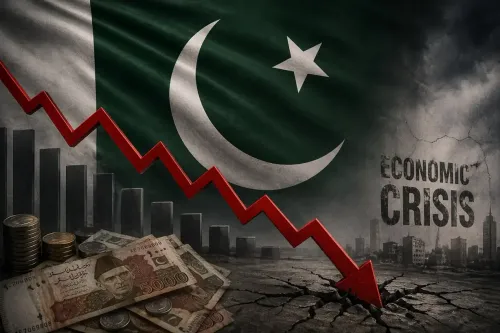
The article emphasized that Pakistan’s cautious approach is largely influenced by economic factors, with existing fiscal challenges and fluctuations in global energy markets amplifying domestic economic pressures.
“Pakistan relies on imports for approximately 85% of its crude oil, predominantly sourced from Gulf nations, rendering the country particularly susceptible to disruptions in energy routes through the Strait of Hormuz. Should conflicts in the Gulf obstruct maritime navigation, Pakistan would likely face immediate repercussions. The cost of energy imports could rise, exacerbating inflation and adding strain to foreign exchange reserves,” it noted.
“Given that most of Pakistan's trade is conducted via sea, maritime insecurity would also impact broader commercial operations. Increased shipping insurance costs, delays in maritime logistics, and uncertainties in supply chains could further deepen economic challenges,” it added.
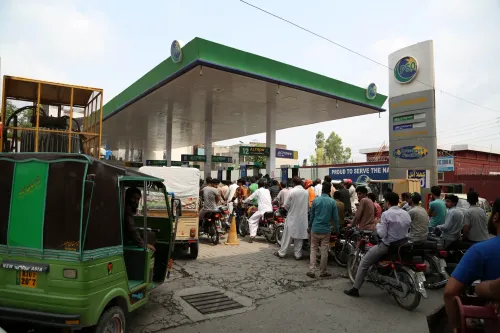
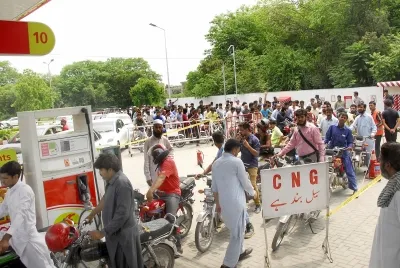
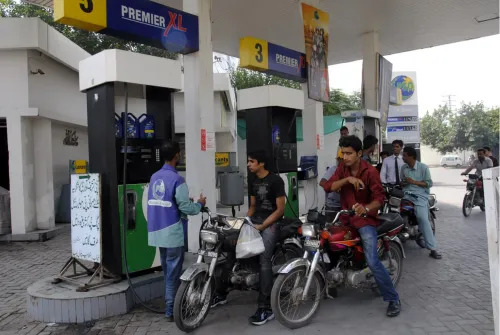
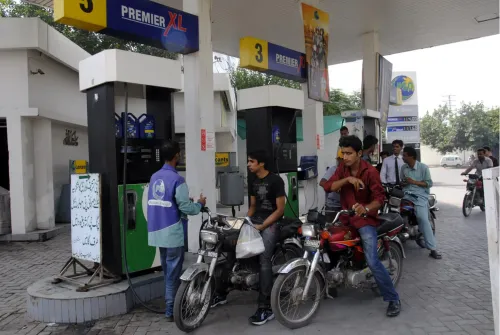
The report pointed out that the recent tensions in the Middle East have already led to a surge in fuel prices and inflationary pressures within Pakistan.
Pakistan's measured stance, the report stated, is also shaped by the larger strategic rivalry among external powers in the region.
It highlighted that Islamabad maintains robust economic and military ties with China, along with security partnerships with the United States, while Gulf stability is crucial for the interests of various global players dependent on “uninterrupted maritime flows” of energy.
“In the event of a broader regional conflict,” it warned, “Pakistan would find itself in a particularly delicate position, entangled between conflicting strategic alliances and facing immediate economic risks tied to disruptions in Gulf energy routes.”
The article concluded, “Pakistan's response reflects a wider reality concerning the intensifying confrontation between Israel and Iran. Numerous regional states are not merely taking sides; they are striving to manage their exposure to a conflict that jeopardizes their own economic and security stability.”
Frequently Asked Questions
What is Pakistan's current stance on the Middle East conflict?
Pakistan is adopting a strategy of controlled distance, expressing concerns over regional instability while avoiding direct commitments that could lead to confrontation with Iran.
How does the Middle East conflict impact Pakistan's economy?
The conflict exacerbates economic pressures in Pakistan, particularly through rising fuel prices and inflation, given its heavy reliance on Gulf oil imports.
What are the potential risks for Pakistan in the event of a broader regional war?
A wider regional conflict could place Pakistan in a sensitive position, threatening its strategic relationships and exposing it to economic disruptions linked to Gulf energy routes.
Why is Pakistan hesitant to take sides in the Middle East?
Pakistan's cautious stance is influenced by the need to manage its exposure to a conflict that could jeopardize its economic and security stability.
What strategic partnerships does Pakistan maintain?
Pakistan has strong economic and military ties with China and security cooperation with the United States, while also being affected by Gulf stability.