Escalating Middle East Conflicts Jeopardize Pakistan's Economic Progress
Synopsis
Pakistan's economic recovery faces new threats as rising tensions in the Middle East could disrupt vital energy supplies and remittances, crucial for the country's fragile stability. This report highlights the potential ramifications of geopolitical strife on Pakistan's economy.
Key Takeaways
Pakistan's economic stability is threatened by Middle East tensions.
81% of oil imports pass through the vital Strait of Hormuz.
Rising oil prices significantly impact import costs.
Remittances from Gulf nations are crucial to the economy.
Diversification and skill improvement are recommended for future resilience.
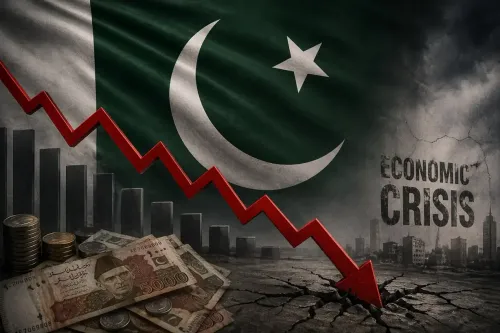
Mumbai, March 17 (NationPress) The recent strides towards economic stability in Pakistan are now facing renewed challenges as escalating tensions in the Middle East threaten to undermine its delicate recovery, according to a report.
The intensifying conflict involving the United States, Israel, and Iran has raised alarms about Pakistan's significant reliance on the Gulf region for energy supplies, remittances, and financial assistance, as reported by The News International.
In recent months, Pakistan had demonstrated progress in crucial economic metrics, including decreasing inflation rates, increasing foreign exchange reserves, a steady currency, and even achieving a current account surplus for the first time in nearly a decade.
Nevertheless, the ongoing turmoil in the Persian Gulf raises questions about the sustainability of this progress, the report indicates.
A critical worry is Pakistan's dependence on oil imports via the Strait of Hormuz, through which approximately 81% of its oil imports are channeled.
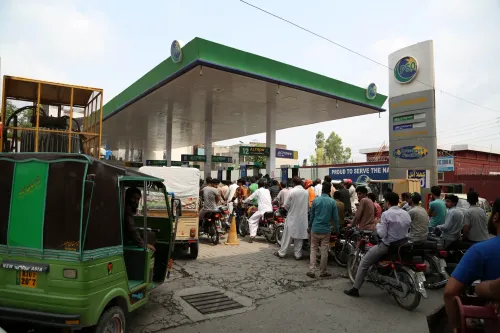
Any disruptions in this narrow shipping corridor could swiftly impact supplies and elevate costs.
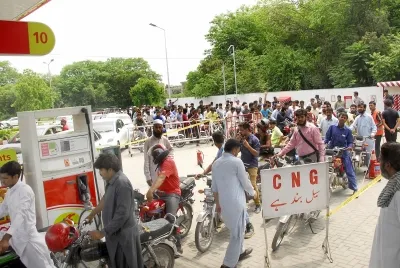
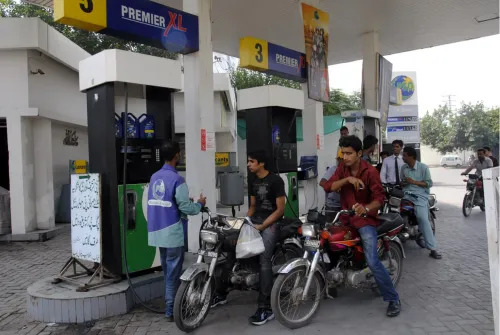
The repercussions of soaring oil prices are already being experienced. Brent crude, which hovered around $70 per barrel prior to the conflict, has jumped to over $100 within a matter of days.
For a nation like Pakistan, which is heavily reliant on energy imports, such an increase significantly raises the import expense and strains foreign exchange reserves.
In addition to energy, remittances are another critical component of Pakistan's economic framework. In FY2025, the country received approximately $38.3 billion in remittances, with over half originating from Gulf nations.
Saudi Arabia and the UAE accounted for a substantial portion of these funds.
However, the current crisis has the potential to impact these remittance flows as well. An economic downturn in Gulf countries could affect sectors such as construction and services, where a considerable number of Pakistani workers are employed.
Many of these workers occupy low or semi-skilled roles, making them particularly susceptible to job losses during periods of economic instability.
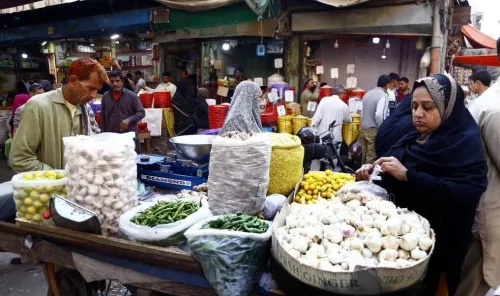
Decreased wages and rising living expenses could hinder their ability to send money back home.
Pakistan's economic links with Gulf nations extend beyond trade and remittances. Countries like Saudi Arabia and the UAE have historically provided support to Pakistan during financial crises through deposits and deferred oil payment arrangements. However, regional instability could diminish the likelihood of such assistance in the near future.
Experts caution that Pakistan's economic framework remains heavily reliant on external variables.
While recent stability has been achieved, it largely stems from short-term measures rather than comprehensive structural reforms.
This reliance renders the economy vulnerable to global shocks, including surging oil prices and geopolitical unrest.
Looking forward, analysts recommend that Pakistan diversify its energy sources and reduce its dependency on imported fuel.
Enhancing the use of renewable energy and expanding alternative supply routes could mitigate risks.
Simultaneously, improving workforce skills may stabilize remittance flows during global economic downturns.
Point of View
It's essential to highlight the precarious state of Pakistan's economic recovery amidst geopolitical tensions. While signs of stability are present, a heavy reliance on external factors makes the economy vulnerable to shocks. Addressing these challenges requires immediate action to diversify energy sources and bolster workforce skills.
NationPress
22 Sept 2026
Frequently Asked Questions
How does the Middle East conflict affect Pakistan's economy?
The conflict threatens Pakistan's energy supplies and remittances, crucial for its economic stability, particularly due to its reliance on Gulf countries.
What percentage of Pakistan's oil imports pass through the Strait of Hormuz?
Approximately 81% of Pakistan's oil imports are transported through the Strait of Hormuz.
What are the key components of Pakistan's economy?
Energy imports and remittances are critical components of Pakistan's economy, with remittances reaching around $38.3 billion in FY2025.
How can Pakistan stabilize its economy amidst these tensions?
Experts suggest diversifying energy sources and improving workforce skills to reduce vulnerability to global shocks.
What historical support has Pakistan received from Gulf countries?
Saudi Arabia and the UAE have historically provided financial support to Pakistan during crises through deposits and deferred oil payments.